
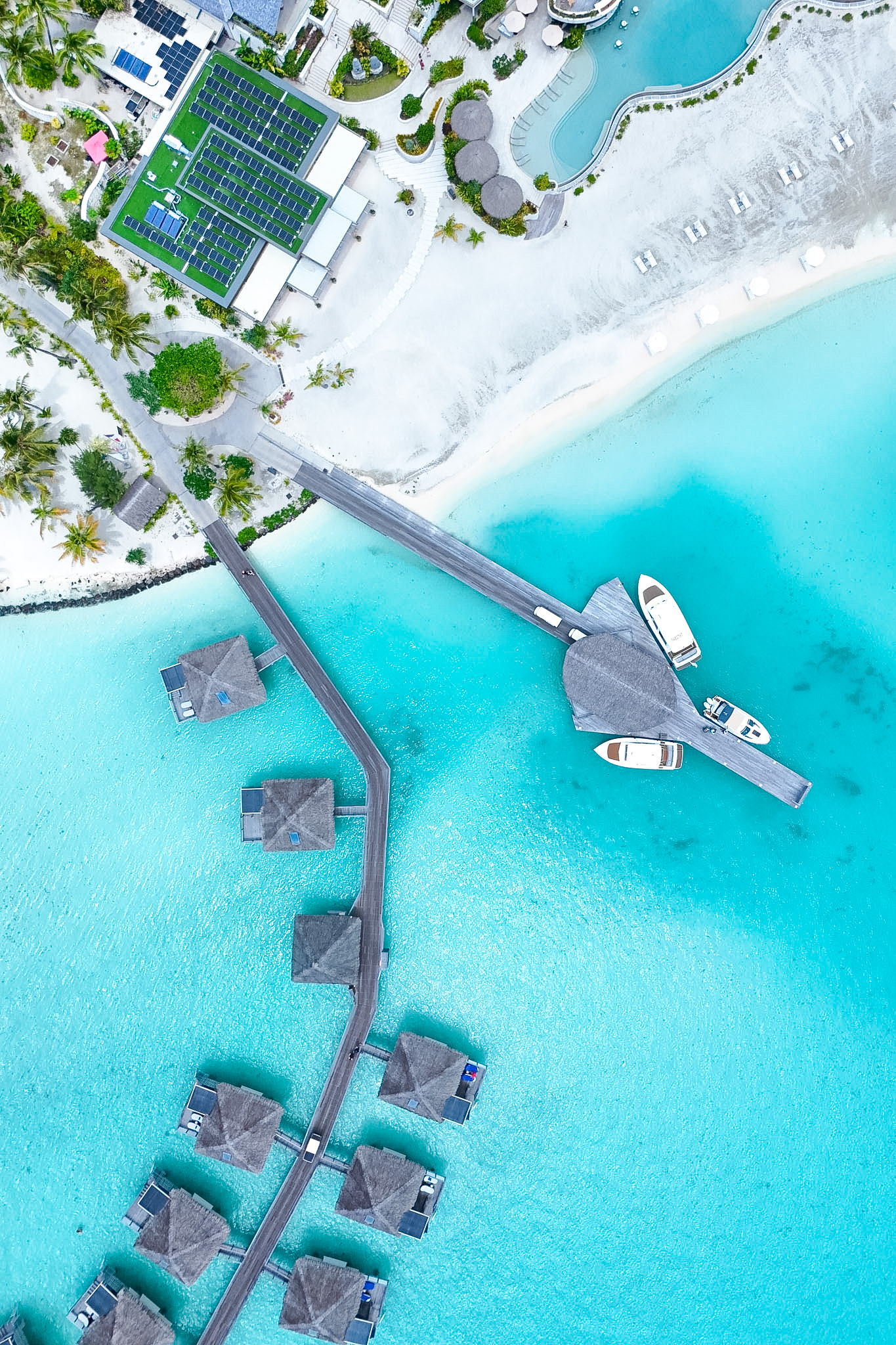
Are Overwater Bungalows Worth It? We Stayed in Two and Skipped a Third


The Edit: This guide answers whether overwater bungalows are worth it, based on two overwater stays in Bora Bora at the Westin and the InterContinental Thalasso, plus a beachfront villa at the St. Regis that we chose over an overwater unit. It covers the real advantages and the drawbacks that rarely show up in resort marketing. It also explains how much bungalow placement within a property changes the experience, and how overwater compares to a beachfront villa on privacy, heat, noise, and mosquitoes. If you are trying to decide whether an overwater bungalow suits your trip or whether the money is better spent on a different room category, this is for you.
At a Glance
| Detail | Information |
|---|---|
| Properties Stayed | The Westin Bora Bora, InterContinental Bora Bora Resort & Thalasso Spa, The St. Regis Bora Bora |
| Room Types | Overwater bungalow, overwater villa, beachfront villa with private pool |
| Trip Length | Two months on Bora Bora, February to April 2026 |
| Party Size | Family of four |
| Biggest Surprise | The beachfront villa side of the property was cooler, windier, and had noticeably fewer mosquitoes than the overwater side |
| Most Common Complaint | Noise and movement, including walkway carts, foot traffic overhead, and early morning boat wakes |
| Best For | Travelers mid-booking who are deciding between an overwater bungalow and a beach or garden room |

Are Overwater Bungalows Actually Worth It?
You know the photo. Thatched roof, wooden deck, a ladder dropping straight into water so blue it looks edited. Maybe you have had it saved on your phone for years. Maybe you just put down a deposit and now you are lying awake doing math about whether it was the right call.
We spent two months on Bora Bora and stayed in overwater bungalows twice, first at the InterContinental Thalasso and then at the Westin. Then we booked the St. Regis and did something that probably sounds strange for a travel blog. We picked a beachfront villa instead of an overwater bungalow, on purpose, with the overwater option available to us.
The question everyone asks is whether overwater bungalows are worth it. Almost everything written about it comes from people who stayed in exactly one, loved it, and had nothing to compare it against. We have slept over the lagoon, slept next to it, and can tell you which one we would book again.
Here is what we are not going to do. We are not going to tell you the bungalows are overrated, because they are not. Waking up over that water is one of those things that lives up to the pictures. But there are real drawbacks nobody puts in the brochure, and a few of them would bother some travelers more than others. The goal here is to help you figure out which camp you fall into before you spend the money, not after.


The Undeniable Pros
Let’s start with what actually works. The case for overwater bungalows is real, and we do not want to talk you out of something you would love.
Waking Up Over the Water Is Not Overhyped
The sound is the part that surprised us. Water moving under a wooden floor all night is a specific kind of quiet that does not exist anywhere else. It does something to how you sleep. The light is the other piece. Morning comes up through the water and reflects off the underside of the roof. The whole room fills with moving light before you have opened your eyes properly.
At the Westin we had the mountain in view, and that property sits closer to Mount Otemanu than anything else on the island. You sit on the deck early and watch the mountain go from grey to green while outrigger canoe paddlers cut across the lagoon. It is the version of Bora Bora people picture when they book. It happened most mornings.
The Glass Floor Actually Delivers
We expected this to be a gimmick. It is not. The Westin’s glass-bottom window is the largest in Bora Bora. It became the thing our kids checked first thing every morning and last thing every night. One evening on our way out to dinner we stopped because a stingray was gliding directly underneath us. We stood there in our dinner clothes watching it pass.
Worth knowing that glass panels are not all built the same. The Westin’s is a large flat panel set into the floor. At the Thalasso the viewing area was a box-style glass frame rather than an open floor panel, which changes the experience quite a bit. If the glass floor is a major reason you are booking, look at actual guest photos of that specific room category rather than the resort’s rendering.


Lagoon Access With No Walk, No Sand, No Planning
This is the practical advantage that gets undersold. You want to swim, you go down your own ladder. No towel run, no hunting for a chair, no sand in anything. At the Thalasso our villa sat in about six feet of water with a swim platform and a floating tide ladder. The kids were in and out of that water constantly in a way they never would have been if it required a walk to the beach.
For families, that ease matters more than it sounds. Spontaneous swimming happens when swimming is twelve feet away.
The Cons Nobody Talks About
Here is the part resort marketing leaves out. None of these are dealbreakers on their own, but together they explain why our honest answer is more complicated than the photos suggest.
One note before we get into it. The InterContinental Thalasso closed on June 1, 2026 for a full renovation with no confirmed reopening date. Everything we describe there reflects our stay at the time rather than current conditions. Check IHG availability directly if you are considering it.

You Feel Everything
Overwater bungalows are sturdier than they look. These are not stilts on sand. They sit on a concrete pier structure supported by steel and concrete pilings driven into the lagoon floor, so the whole thing is solid underfoot. What it is not is isolated from movement. The structure sways and shifts slightly with the ocean, and it transmits everything that happens on the walkway you are connected to.
Service Carts Run All Day
At The Westin, carts ran the walkways from around 6:30 to 7:30 in the morning. That is earlier than most people expect on a vacation morning, and they kept going through the day until as late as 6:17 in the evening. They are not creeping along either. Staff move those carts at a real clip to keep up with turnover and service calls, and you feel every pass from inside the bungalow.
Other Guests Carry Through the Structure
One night during dinner, well after dark, someone came running down the dock and we felt it from the table. That is the part people do not picture. You are not just sharing a walkway, you are sharing a structure, and a person jogging two bungalows over registers in your room.
The Decks Have Outdoor Speakers
Sound is its own problem. The bungalows have outdoor speakers on the decks, which is a nice feature right up until your neighbors decide to use theirs. Overwater bungalows sit close together, with nothing between you and the unit next door but open air and water. A couple playing music on their deck is effectively playing it on yours. Your only recourse is calling the front desk.
Boat Wake Starts Before Sunrise
Shuttles from surrounding resorts start between six and six thirty in the morning. The glassy mirror lagoon you have seen in photos exists for a narrow window and is gone for the rest of the day. At the Thalasso, fast boats passing nearby rocked the villa noticeably. If you are a light sleeper or sensitive to motion, this is the single thing most likely to affect you.
Some Bungalows Connect Straight to Land
This is where the St. Regis breaks the pattern. We spent two nights on that property and its overwater bungalows are not all built the same way. Some run back to shore on a short walkway.
Service carts stay on paved and dirt paths instead of traveling out over the water, so those rooms skip the cart issue entirely. Layout varies more between properties, and within them, than anyone tells you. Ask how your specific category is accessed before you book.
It Is Hotter and Buggier Than You Expect
This one surprised us and it is the most useful thing we learned all trip. The comfort difference had less to do with being over water and more to do with which direction the room faced.
At the St. Regis our beachfront villa sat on the east side of the motu, open to the trade winds. It was breezy and noticeably cooler. The overwater bungalow and adult pool side of the same property ran warmer, more stagnant, and had visibly more mosquitoes. Same resort, same day, meaningfully different comfort, and the difference was wind exposure.
Sitting over water does not automatically mean catching a breeze. If your bungalow sits on a sheltered side of the motu, you get still air, full sun, and no vegetation to move it around. When you are choosing a room category, ask which direction the bungalows face and whether they are on the windward or leeward side.
That question will do more for your comfort than the room category itself. Bring repellent regardless of what you have been told about bungalows being bug free.
The Walkways Get Dangerously Hot
At the Thalasso the concrete walkways heated up enough during the day that our kids came close to blistering their feet. We had not thought to pack water shoes for a resort stay and we should have. If you are traveling with children, pack something for their feet and plan on wearing something yourself in the middle of the day.
The Water Under You Might Not Look Like the Photos
Lagoon clarity varies enormously by property and by position within a property. At the Thalasso, visibility from our villa was roughly three to four feet, which is a long way from the imagery that sells these rooms. The glass floor is only as good as the water beneath it.
The Westin was clearer, and the enclosed lagoonarium areas at both properties were dramatically better than the open water directly under the bungalows. If underwater visibility is central to why you are booking, research the specific property rather than assuming Bora Bora delivers uniformly.


You Are Farther From Everything Than You Think
The far-side bungalows at the Westin sit about four tenths of a mile from the main central area. That is a pleasant walk once. It is a different feeling at nine at night when someone forgot something. It changes again when you are deciding between your room and the pool, because doing both means a round trip.
Overwater bungalows also mean no direct beach. You have a ladder into deep water, which is not the same as sand your kids can play on. And because these resorts sit on motus, your only way to the main island is the resort boat on its published schedule, which is worth understanding before you book. Our guide to Bora Bora transportation breaks down how that works.
The Nuances Nobody Explains
If you take one thing from this post, take this. The decision that matters most is not which resort you book. It is which specific bungalow you end up in, and almost nobody tells you that before you pay.
Placement on the Strip Changes Everything
Overwater bungalows run in long rows out from shore, and where yours sits in that row determines your entire stay.
Further out means deeper, clearer water and better privacy. At the Thalasso it meant our villa sat in about six feet of water with a swim platform you could actually jump from. Further out also means a longer walk to everything, more walkway traffic passing your door, and more exposure to boat wake.
Closer in means convenience and shallower, often murkier water with more foot traffic overhead. At the Westin, the far-side bungalows sit about four tenths of a mile from the main central area. Those units were the newest on the property after the 2024 renovation, so you are trading distance for a better room.
There is a payoff to being further out that nobody mentions. The further your bungalow sits from the beach and the motu, the more breeze you get. There is less land between you and open water to block it. Combine that with being on the windward side of the motu, where the air comes off the deep ocean.
The difference in comfort is significant. The bungalows closest to shore on the sheltered side are the hottest and buggiest rooms on the property in our experience. They are frequently the cheapest overwater category for exactly that reason.
So the tradeoff is real in both directions. Further out means a longer walk, more walkway traffic passing your door, and more boat wake. It also means deeper water, better privacy, and actual airflow.
Not All Bungalows Sit on a Pier
Not every overwater bungalow is built the same way structurally either. The St. Regis mixes traditional pier-connected bungalows with units that tie back to land, and that single difference changes how much cart and foot traffic you feel. If movement is a concern for you, ask whether your category sits on a pier run or a land-connected walkway before you book.

Do Not Count on the Front Desk for This
We would love to tell you to call the front desk and ask which bungalows sit on the windward side. We are not confident you would get a useful answer. This is not something resort staff are typically trained on, and reservations agents in particular are working from room categories and rate codes, not wind exposure.
Do it yourself instead, and know that the answer changes depending on when you travel. The trade winds in French Polynesia shift with the season.
| Season | Months | Wind Direction |
|---|---|---|
| Rainy season | November to April | Northeast |
| Dry season | May to October | Southeast |
So a bungalow row that catches beautiful airflow in August may be sitting in still air in February. Pull up the resort on satellite view and look at which direction the bungalow rows extend off the motu. Match that against the season you are traveling in. Then look at where your specific room category sits in the row, because further out means more air regardless of season.
We were there from mid February through early April, which put us in northeast trades, and our east facing villa at the St. Regis caught them. Five minutes with a satellite map and the season chart above will tell you more than a phone call will.
Privacy Varies More Than You Would Guess
We assumed all overwater bungalows offered similar privacy. They do not.
At the Thalasso, privacy between villas was minimal. At the Westin, dense tropical landscaping between units created real separation and it was noticeably better than most properties on the island. The structures were similar. The landscaping was the difference.
Privacy is not only about sightlines. Overwater units have outdoor deck speakers and nothing but open air between them. Sound carries between bungalows in a way it does not between beach villas set behind vegetation.
The St. Regis beachfront villa beat both of them outright. Full fence, secluded yard, no neighbors in view. If privacy is high on your list, that is a real argument for a villa over a bungalow. It is not something you will read on a resort website.
The Glass Floor Is Not a Standard Feature
We covered this above but it belongs here too, because it is a booking decision. The Westin’s panel is large and set flat into the floor. The Thalasso’s was a box-style glass frame. Both are called a glass floor in marketing copy. They are not the same product.
There is a second thing to check that surprised us. Not every glass floor actually looks out onto living water. At the Westin we noticed some bungalows where the view through the glass was sand and rock rather than fish and coral. It comes down to where that unit happens to sit over the lagoon floor.
We only caught it at the Westin, but there is no reason it would not happen at other resorts too, since it depends on the seabed under your specific bungalow. If watching marine life through the floor is a big part of the appeal, ask the resort what is actually under that particular unit, not just whether it has a glass floor.
Look at guest photos of your exact room category before you assume.
What You Actually Do From the Bungalow
Realistically, less than you picture. The water directly under the bungalows is often not the best snorkeling on the property. At both the Westin and the Thalasso, the enclosed lagoonarium areas were dramatically better than the open water at our door. If snorkeling is a priority, our guide on booking a Bora Bora lagoon tour covers where the good water actually is.
Plan on leaving. The bungalow is where you sleep, swim casually, and watch the light change. The good snorkeling, the coral gardens, and the reef are somewhere else and you will need a tour or a walk to reach them. If you are weighing resorts, we compare every Bora Bora day pass in a separate guide.


Who Should Book One, and Who Shouldn’t
We are not going to give you a verdict that applies to everyone, because there isn’t one. Here is how we would sort it.
Book One If
This Is the Trip
If Bora Bora is a milestone, a honeymoon, an anniversary, or the thing you saved years for, book the bungalow. The drawbacks we listed are real and they will not matter as much as the fact that you did it. You will not spend the rest of your life wondering.
You Are Staying One or Two Nights
A short stay over the water is close to perfect. You get the mornings, the glass floor, the ladder into the lagoon, and you leave before the walk to dinner starts feeling long.
You Are Traveling as a Couple
Overwater bungalows are built around two people and a view. No sand to manage, no beach toys, no one needing a bathroom two hundred feet away. The Westin in particular felt built for couples more than families.
The Photos Matter to You
There is no honest way around this. The shot exists because the room is photogenic, and if that matters to you it is a legitimate reason to book.
Think Harder If
You Are a Light Sleeper or Sensitive to Motion
This is the one we would weigh most heavily. Cart traffic runs from around 6:30 in the morning until past six in the evening. Boats start before six thirty, and the structure moves with the water. If any of that would ruin your sleep, a beach room will serve you better and you will not have paid extra to be irritated.
You Have Young Kids
Ours loved the glass floor and the swim ladder. They also needed a beach, and an overwater bungalow does not have one. A ladder into deep water is not a place small children can play unsupervised. Consider a beach category with lagoon access instead.
You Are Staying a Full Week
This is where our answer shifts hardest. The novelty of the first two mornings is not the same as the seventh. By then you are mostly noticing the walk, the heat, and the boat wake. If you have a long stay, split it. A couple of nights over the water and the rest on the beach gets you the experience without the fatigue.
Privacy Is Your Priority
Go with a villa. The St. Regis beachfront villa was more private than either overwater bungalow we stayed in, by a wide margin, and it was not close.
You Are on a Stretched Budget
The price gap between an overwater bungalow and a beach or garden room is significant, and what you are buying is a view and a ladder. That money moved to a lagoon tour, a good dinner, or two extra nights on the island might do more for your trip. Bora Bora is the wow factor, and the room category is a smaller part of that than the marketing suggests.
Would We Do It Again?
Yes, and we already know how we would do it differently.
We would book two nights over the water, not seven. We would pick a bungalow far out on the windward side, because the trade wind exposure at the St. Regis taught us that comfort comes down to airflow more than anything printed on a rate sheet. The further out you sit, the more of it you get. And we would spend the rest of the trip in a beachfront villa. The version of Bora Bora we kept coming back to was the one with sand, shade, and a breeze.
That is not a knock on overwater bungalows. Waking up over that lagoon with the light coming up through the water is a real thing and the photos do not oversell it. It is just that the feeling is strongest at the beginning, and the tradeoffs accumulate. Two mornings of that is a memory. Seven mornings of that is a room.
The honest answer to whether overwater bungalows are worth it, is that they are worth doing, but they may not be worth doing for your whole trip. Most people book one because they think it is the only way to experience Bora Bora properly. It is not. The lagoon, the mountain, the reef, and the light are the same from the beach, and they are the same from a rental on the main island. The bungalow is a beautiful way to spend a couple of nights inside the postcard. It is not the postcard itself.
Book it. Just book less of it than you were planning, and put the difference toward the things you will actually be doing all day. Or, if this is a once-in-a-lifetime, go-all-out kind of trip, book the whole week and live your best life. You know which one you are.

Frequently Asked Questions
Yes for a short stay, and less so for a long one. Two nights over the water delivers everything people book them for. We stayed in two in Bora Bora and would book again, just for fewer nights.
Noise and movement, heat, mosquitoes, no beach access, and distance from the rest of the resort. The bungalows sit on a shared pier structure, so anyone running on the walkway or driving a cart across it carries straight into your room. Passing boats move the building too.
Yes, and more than you would expect. At the St. Regis the sheltered overwater side had noticeably more mosquitoes than the windward beachfront villa side on the same day. Bring repellent.
Yes, every one we stayed in had a ladder or swim platform into the lagoon. The catch is that the water directly under the bungalows is often not the best snorkeling on the property, and the enclosed lagoonarium areas were dramatically better at both resorts.
They work for older kids and are harder with young ones. A ladder into deep water is not somewhere small children can play unsupervised, and there is no sand. A beach category with lagoon access is usually the better call.
Pick one further out on the windward side of the motu. Distance from shore means deeper water, better privacy, and more airflow. Windward exposure shifts by season, with northeast trades from November through April and southeast from May through October.
No, and the ones that do are not built the same. The Westin has a large flat panel set into the floor, while the InterContinental Thalasso used a box-style glass frame. Check guest photos of your exact room category before booking.
The beachfront villa was better for us, and the overwater bungalow was better for the photos. Our St. Regis villa was more private by a wide margin, cooler, and less buggy, with direct sand access. If comfort ranks above the view, book the villa.


Curated by us, for you. We may earn a commission on pieces you shop through our links


The Vanity Case
Shop the edit
Just Landed
Shop the edit
Finishing Touches
Shop the edit
Leave a Reply


style
Farm Rio Souvenir Scarves Dress Review: Midsize Sizing, Fit & Vacation Styling testing
style
Vacation Look No. 3 | Farm Rio Golden Nature Maxi Dress Outfit


Have a brand story to tell? We'd love to hear what you have in mind.
And everywhere in between
Bora Bora to Baja


Be the first to comment