





saltyvagabonds
Saltyvagabonds
Destinations

Asia
Bali
Japan
Korea
Malaysia
singapore
Thailand
Vietnam
Europe
Germany
France
U.K.
North America
Canada
Mexico
Oceania
Polynesia
Micronesia
Hawaii
Guam
Indonesia
All Travel Blogs
Travel Tips
Planning
About us
usa
Destinations
Travel Tips
Planning
About us
All Categories
Travel Tips
Worldschooling
Digital Nomad
Travel Hacking
Travel with kids
Lifestyle
Military Travel
Packing
All Travel Tips
Tech


Travel Hacking with
Chase Points
Military Space A Flights
Guide










The Best Things To Do in Okinawa With Your Family
Wondering if Okinawa is worth it with kids? From historic castles and dragon boat races to fireworks and world-class aquariums, here are the top things our family loved most, plus even more ideas from our Okinawa travel guide.

If you click on links we provide, we may receive compensation.


We spent 2.5 months exploring Okinawa Island and wow, did this island deliver. Our trip started a little chaotic (hospital visit before we even cleared immigration… yeah, that happened), but it didn’t stop us from soaking up all the fun and checking off as many things to do in Okinawa as possible.
We know most people don’t get to stay this long on vacation, so fair warning: our list is extra. Like, plan-to-book-another-trip level extra. But if you’re headed to Naha or anywhere in the Okinawa prefecture, you’ll find no shortage of adventures. From the largest city vibes to tropical beach escapes, you’re in for the best time.
Cape Hedo and The Yanbarkuina Observatory
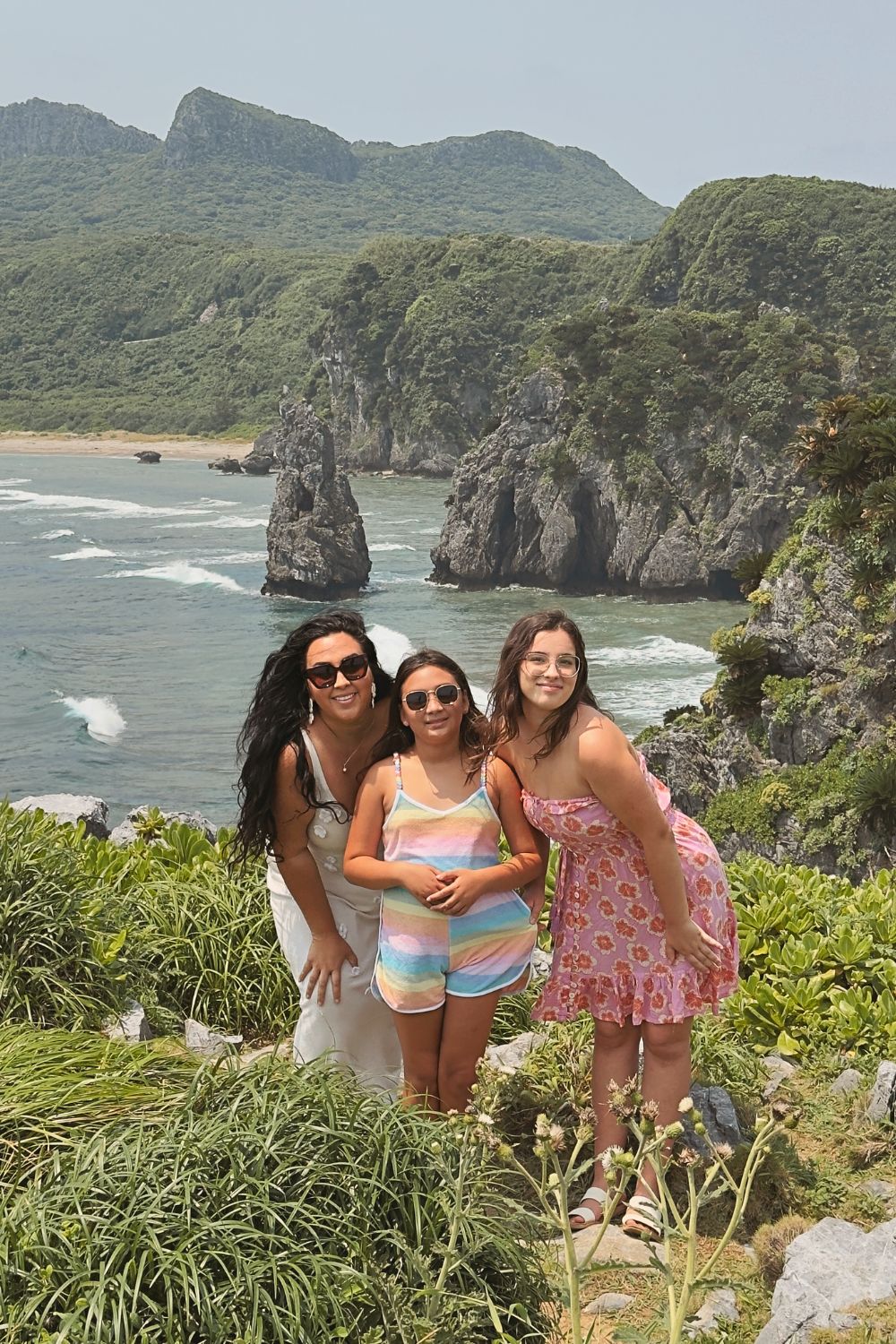
Cape Hedo is the northernmost tip of Okinawa Island and sits within Yambaru National Park. It’s totally free to visit and such a cool stop, dramatic limestone cliffs, crashing waves, and panoramic views of the East China Sea.
The drive up from Naha is long, but honestly, it didn’t feel like it. The toll road makes it faster, and the scenery along the way is beautiful. Once you arrive, there’s free parking, clean public restrooms, and even a little restaurant for snacks or a quick meal.
There are several lookout points to take in the rugged coastline and crystal clear waters below. We even spotted what looked like a huge school of parrotfish cruising the coral reefs! Definitely worth the trip if you’re exploring the north side of the island.
Futami Town Melody Road: Hutami Jowa
If you make the trek up to Cape Hedo, I highly recommend swinging by the Futami Town Melody Road on your way back south.
This little hidden gem is located just east of Nago City and feels like Okinawa’s version of the musical roads in the U.S. It’s a short stretch, only about 40–50 km/hr zone, but as you drive over the grooves in the pavement, your tires play a melody!
To experience it, you’ll need to turn around and drive under the bridge. As you loop around, look for a large blue music symbol painted on the road (you know the one at the start of sheet music—that’s the one). It’s your cue that the musical ride is about to begin.
Tour buses come here often, so the best way to safely turn around are either the small dirt lot just before the intersection or the next big left turn. We tried both and they worked fine.
We tested it at 40 km and 45 km/hr, the faster you go, the louder and quicker the melody plays. Be sure to turn off the music and ask everyone to hush for a second so you can catch the full tune. It’s such a fun and random moment that’ll make your road trip feel extra special.
Nago Castle Park
Nago Castle Park sits on the eastern side of Nago City, nestled partway up the jungle-covered mountains. We actually ended up visiting twice because on day one, we totally underestimated how much there was to see and do here.
And yes, if you’re wondering, there are castle ruins at the top of the hill, but don’t expect towering stone walls or dramatic fortresses. What you’ll actually find is more of a quiet forest area with a small grassy clearing where the castle once stood, along with an information sign that helps paint the picture of its history.
The park itself is huge, with trails, playgrounds, scenic lookouts, and a mix of nature and history that makes it perfect for either a laid-back afternoon or a more active adventure. Just be sure to wear comfy shoes… lesson learned!
Sakura Bridge
One of the highlights of Nago Castle Park is the semi-famous Sakura Bridge, a suspension walking bridge that stretches above the jungle canopy. It’s a great place to enjoy sweeping ocean views, catch the island breeze, and if you time it right, witness a beautiful sunset. It ended up being one of our favorite spots to slow down and soak it all in as a family.
The Kids Park and Roller Slide
If you’re already enjoying the Sakura Bridge, don’t skip the nearby kids’ park it’s a total hit for families. Japan has no shortage of parks, but only a handful feature a roller slide. Instead of the usual smooth metal or plastic, these slides use rollers, like the kind you roll your suitcase on at the TSA checkpoint, and the ride is surprisingly fun (and fast!).
This park also has plenty of space for play, with playground areas suited for different age groups. There’s a public restroom, two drink vending machines, and even a machine that serves up frozen treats. It’s a great spot to spend a few relaxed hours having a picnic, letting the kids burn off energy, and enjoying the fresh air.
Nago Castle, Shrines, and Cherry Blossoms
Nago Castle is one of the oldest in the area. While it’s not as grand or rebuilt as Shuri Castle, the history and lore that linger here give it a unique charm. The park surrounding it is filled with winding trails, cherry trees, and at least four shrines tucked into different corners of the forested hillside.
If you’re chasing cherry blossoms, this is one of the best spots to catch them early. Unlike Japan’s main island, where sakura season peaks in spring, Okinawa’s cherry blossoms bloom as early as January and early February, making it a great place to kick off Hanami season ahead of the crowds.
We ended up coming here twice because there was so much to explore, hidden shrines, hillside views, and some of the most colorful and wild-looking bugs we saw during our whole 2-month stay. It felt like a little jungle adventure mixed with culture and beauty.
Neo Park Okinawa
Neo Park looked amazing when we found it online, and honestly, it lived up to the hype. This place is packed with unique animal encounters, from tropical birds to giant capybaras, and it’s easy to spend an entire day here without getting bored.
As soon as you walk in, you’ll see skeletons of some of the animals on display, which was a cool little surprise. Then you’ll hit the door to the main outdoor park, and that’s where the fun really begins.
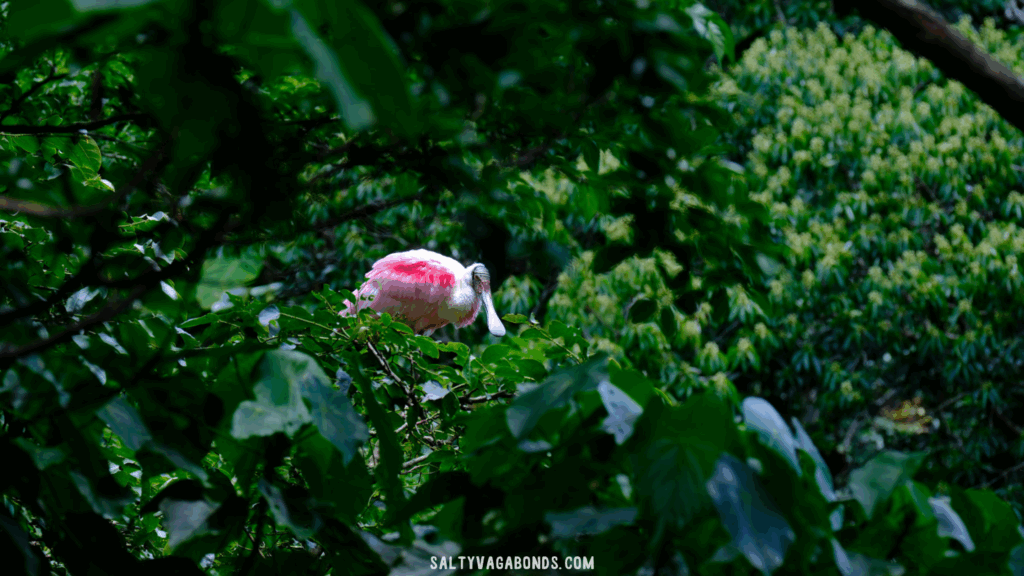
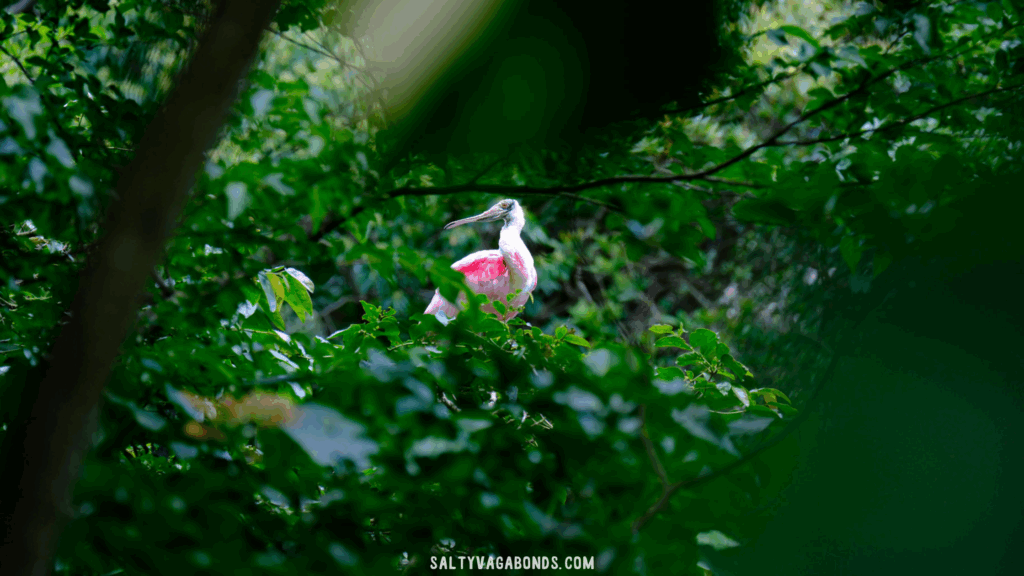
You can buy animal feed (about 200 yen), and the moment you step outside, you’re met with a wild feeding frenzy from colorful birds like pink flamingos and Rosetta spoonbills. We’d seen these birds in the wild during our trip to the Yucatán in Mexico, but getting this close and feeding them? Totally different experience.
One of the biggest highlights was the petting zoo, but here’s your pro tip: you need to buy petting zoo tickets before you enter the main park, right at the front desk.
Our girls were dying to meet a capybara (or as they called it, a “cappibarber”), and they absolutely loved it. The petting zoo has some super fun and unexpected animals that aren’t your typical farmyard crew.
If you’re staying near Nago or even visiting from the southern part of the island, Neo Park is absolutely worth the trip. It’s not your average zoo, you won’t see the usual lions, tigers, and bears, but you will see sloths, spoonbills, and some real gems that make this park feel special.
And don’t skip the little train ride around the park, it’s adorable and a fun way to see more without walking the whole loop.
Hike Motobu Fuji: Okinawa’s Mini Mount Fuji
Since we were staying on the Motobu Peninsula, this hidden hike was just a few miles from our rental and it ended up being one of the biggest surprises of our trip.
Motobu Fuji is about 2.5 miles one way and climbs steadily uphill from the ocean into lush jungle. It’s not well-known or crowded, which made it feel extra special. The trail starts at the end of a steep, narrow road through a quiet neighborhood (and even a golf course). Look for a small trailhead near a gravel service road—it’s easy to miss, but it’s there.
You’ll pass signboards explaining the area’s limestone formations and native plants, which are worth a quick read if you’re into nature or geology. Keep climbing until you reach a set of stairs. After those, watch for a tree with a small board marked in red kanji—take that left into the thicker forest.
At the top, you’ll need to scramble over jagged limestone. When you hit a 15-foot rock wall, go right for the easier trail (or left for a trickier route). Locals call this mountain “Motobu Fuji” as a nod to Japan’s iconic Mt. Fuji—and when you reach the summit, you’ll get why.
When we summited, a small group of women were performing a spiritual ritual with incense. It was a quiet, powerful moment and a good reminder to hike with respect and awareness of local traditions.
If you’re looking to get off the beaten path in Okinawa, this is it. Just bring good shoes, water, and a sense of adventure.
Mega Don Quijote Nago: The Store You Didn’t Know You Needed to Visit
If you’ve seen these stores hyped up on TikTok, then you already know Don Quijote (or “Donki” as it’s often called) is a full-blown experience, not just a store. We visited the newly opened location in Honolulu before our trip to Japan, but the Donki in Nago still surprised us with its sheer chaos, charm, and random magic.
Funny enough, we totally missed our shot in Tokyo the year before, we literally walked right past one just blocks from Senso-ji Temple without realizing what we were missing. Never again.
These stores are wild. Imagine a mix of a grocery store, dollar shop, toy store, beauty aisle, vending machine jungle, and carnival, all crammed into one multilevel space. Need a corkscrew? They’ve got five. Want Japanese snacks, instant ramen, cosmetics, or that one souvenir you forgot to buy? Yup, it’s all here.
We walked in needing one thing and walked out with ten, plus a lot of laughs and new favorite treats. Mega Donki locations (like the one in Nago) are even bigger and more chaotic in the best way possible. It’s bright, packed, a little overwhelming, and totally worth it.
Bring the family, turn off your brain for a bit, and just wander. Try a weird soda, grab some melon pan, or find that bizarre gadget you never knew you needed. If you’re in Nago or anywhere near a Donki, go. It’s a shopping adventure all on its own.
Seven Falls of Kijoka: A Hidden Power Spot Worth Finding
Tucked away in a quiet neighborhood, the Seven Falls of Kijoka is a special place that feels extra special the moment you arrive. It’s not flashy or crowded, in fact, it’s the opposite. Peaceful, sacred, and full of quiet beauty.
This is considered a power spot on Okinawa, which means it’s believed to hold strong spiritual energy. Locals come here to worship, and the area is home to a small shrine.
Please be respectful, this isn’t a swimming or play area, but rather a place to reflect, observe, and appreciate the natural energy around you.
According to Shinto beliefs, the falls are connected to powerful kami, spiritual beings that inhabit the natural world. The waterfall is named for the unique way it changes directions seven times before reaching the ground, which only adds to the mystical vibe.
Finding it takes a little effort (you’ll be winding through a neighborhood), but that makes discovering it feel even more meaningful. If you want more in-depth details or directions, check out Hija’s blog—they did a great job explaining the history and how to get there.
This is one of those quiet gems that stays with you long after you leave.
Okuma Beach: Peaceful Vibes & White Sand Bliss
If you’re craving pristine beaches without the crowds, Okuma Beach is that spot. Located on the northern coast of Okinawa, it’s where soft white sand, crystal-clear water, and a calm, laid-back vibe come together perfectly. And the best part? There are three ways to enjoy it:
- Free Public Access – Just across from the baseball field, there’s a public stretch of beach that’s perfect for a chill day in the sun. Bring a picnic, your snorkel gear, and soak up the views.
- Okuma Private Beach & Resort – Great for those wanting a more upscale experience with beach amenities, water activities, and that resort feel.
- Okuma Recreation Facility – If you’re military-affiliated, this one’s for you. We loved the atmosphere here, it’s well-kept, family-friendly, and often hosts fun community events.
We stumbled upon our favorite beach fest here, Beach Fest, and it did not disappoint. Picture food trucks, live music, kids’ rides, and a full-on festive vibe. It was such a fun surprise during our trip and made us fall in love with this part of the island even more.
Whether you’re visiting for the day or planning to stay overnight, Okuma Beach is a solid pick for families, couples, or anyone wanting to enjoy Okinawa’s natural beauty without the hustle.
On the Beach Café & Shisa Pottery Experience: Ryukyu Kiln
If you’re looking for a creative, off-the-beaten-path experience in Okinawa, this Shisa pottery workshop hits the mark. Right inside a cozy beachfront café, you can paint your very own Shisa, the iconic lion-dog statues you’ll spot on rooftops, gates, and driveways all over the island.
Shisa are more than just cute statues, they’re traditional Okinawan protectors said to ward off bad spirits and invite good ones in. During our visit, we grabbed lunch at the café and signed up for a painting session right in the same space. The girls had a blast decorating their own Shisa pairs and a ceramic whale shark.
If you don’t have time to sit down and paint, no worries, just step outside and you’ll be greeted by one of the most pristine beaches in the area. I spent time beachcombing and found sea glass, coral, and even a few old fishing buoys washed ashore.
This little stop wasn’t just a peaceful beach break, it turned into a hands-on cultural memory we’ll never forget.
Beachcombing & Sightseeing at Kouri Bridge Viewpoint
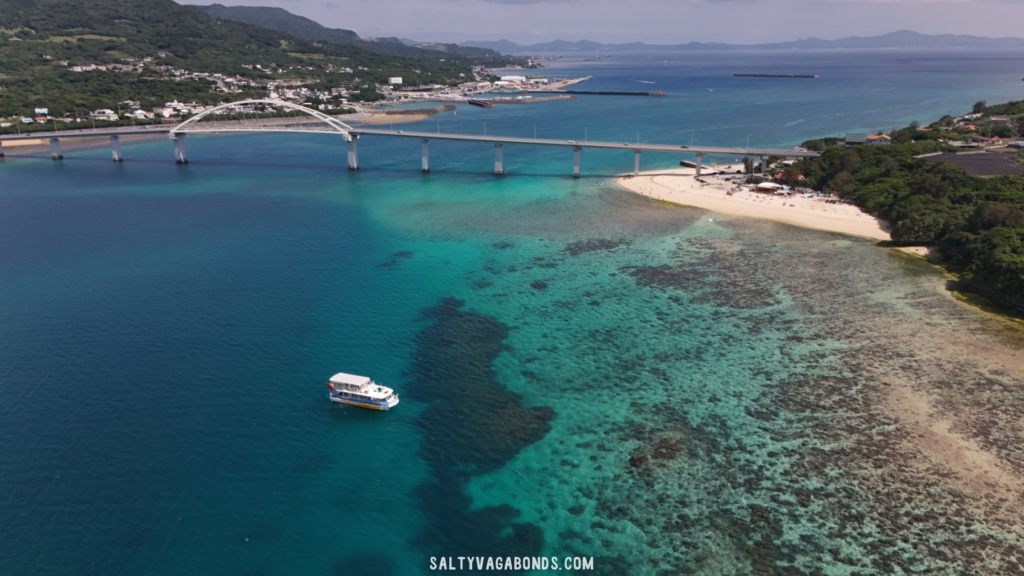
We happened to visit Kouri Bridge during its 20-year anniversary, and yeah, it’s definitely a touristy spot, but for good reason. This 1,960-meter (6,430-foot) bridge connects Kouri Island to the main island of Okinawa, and the views are absolutely stunning.
That vibrant turquoise-blue water? It’ll call you back more than once, especially if you’re in Okinawa for a longer stay. The bridge area has a scenic viewpoint, beach access, and a few vendors selling drinks and light bites, making it a perfect little stop.
If you time your visit with low tide, you can actually walk out to a small island by the bridge, nicknamed “Frog Island” on Google reviews. You’ll get about an hour of calm tide, perfect for spotting sea creatures like clams, sea cucumbers, crabs, and sea stars (yep, that’s the new name for starfish!).
We ended up staying way longer than expected. If the tide is low enough, take a walk along the beach heading east toward the natural rock window. We found all kinds of beach treasures: Hebrew shells, sea glass, pottery shards, fishing nets, and even got to witness hermit crabs mid-molt, changing into new shells.
If you want to see this spot in all its glory, aim for a clear-sky day with a super low tide. It’s one of those magical Okinawa moments you’ll be talking about long after the trip ends.
Todoroki Waterfall
If you’re a waterfall chaser, this one should definitely be on your Okinawa list. Todoroki Waterfall near Nago is easy to access, family-friendly, and has just the right mix of nature and convenience.
Entry to the park was super reasonable, just 600 yen total for two adults, one high schooler, and one 10-year-old. There’s plenty of parking, clean restrooms, and well-maintained paths that make it easy to soak in the Okinawan jungle without too much effort.
The waterfall itself is beautiful, and the park has been developed enough that you can really relax and enjoy your time here. There’s a covered pavilion right across from the falls, perfect for staying dry during a passing rain shower while still getting those peaceful waterfall views. If you’re up for a picnic, the wide grassy area nearby is ideal for laying out a blanket and enjoying lunch in nature.
There are signs asking visitors not to enter the water near the falls due to the slick volcanic rock (definitely slippery!), but if you’re feeling adventurous, some of the surrounding areas are still fun to explore safely.
One important note: there are two “Todoroki Waterfalls” listed on Google Maps, make sure you’re heading to the one in the Nago area!
Minna Island Day Trip and Snorkel
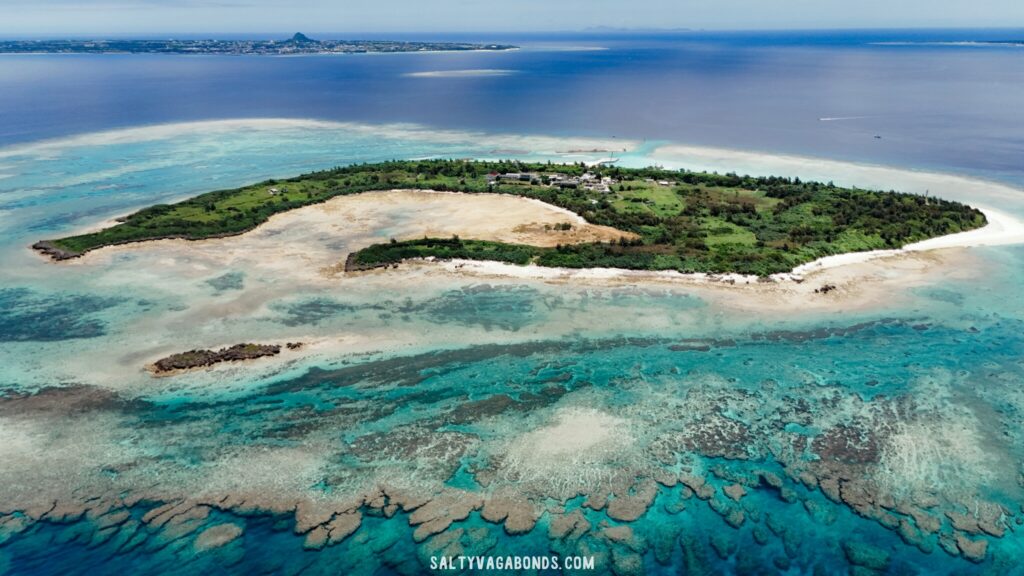
Dreaming of white sandy beaches and turquoise waters? We stumbled upon Minna Island, aka Croissant Island, while staying in northern Okinawa’s main island, and it turned into one of the best surprises of our trip.
A quick 15-minute ferry from Motobu unlocks a whole new world of beach bliss, crystal-clear snorkeling spots, and marine life that’ll have you plotting your return before you even leave.
From hidden beaches to jet ski rides, this little island seriously overdelivers along with smaller islands in the area. No car needed, no stress, just pack your sunblock, a little cash, and your sense of adventure.
But here’s the thing… there are a few tips you need to know before you go. What time to catch the ferry? Which beach has the best reef? Where to find taco rice on the island?
Tap into the full post for all the details on planning your perfect Minna Island day trip here. You don’t want to miss this one.
Yoron Island: Okinawa’s Hidden Paradise Worth the Trip
Okinawa is one of those places that surprises you in the best way. It’s not just another beach destination, it’s a tropical island full of culture, history, and kid-friendly adventures. From exploring underground caves and castle ruins to snorkeling in clear blue waters and spotting sea turtles, there’s something for every age and interest.
Okinawa moves at a slower, more peaceful pace than mainland Japan, which makes it an ideal destination for families wanting to relax without giving up enriching experiences. Whether you’re exploring hands-on museums, cruising along scenic coastal drives, or stopping at roadside fruit stands, Okinawa delivers that perfect mix of fun and connection. We stayed at Pricia Resort during our trip and loved how it gave us space to unwind while still being close to everything. You can check out our full stay and trip notes right here.
Ie Island Trumpet Lily Festival (Spring)
In spring, don’t miss the Ie Island Trumpet Lily Festival, also known as the Easter Lily Festival in Okinawa. With sweeping trumpet lily fields on Ie Island bursting into bloom, it’s one of the most beautiful spring festivals in Okinawa and makes for an easy day trip from Okinawa’s main island.
The vibrant flower fields, gentle island breezes, and welcoming atmosphere make this festival one of the top seasonal events in Okinawa. To get there, head to Port Motobu and take the Motobu–Ie Island ferry. Once you arrive, festival buses will shuttle you around the island to various stops, making it easy and fun to explore with kids in tow.
Ocean Expo Park & The Churaumi Aquarium
Ocean Expo Park is hands-down one of the coolest places to explore in Okinawa, especially if you’re the type who loves to take your time and soak it all in. If you’re planning to visit, just know: one day probably won’t cut it.
We ended up coming back three different times during our trip, and still didn’t see it all! That’s how massive and activity-packed this place is. From gardens to museums to giant whale sharks, there’s something for everyone. You can check out our full experience here, with tips on what not to miss and how to plan your visit.
From epic aquarium experiences to botanical gardens, ocean views, cultural exhibits, and beach access, it’s worth carving out a few days in your itinerary for.
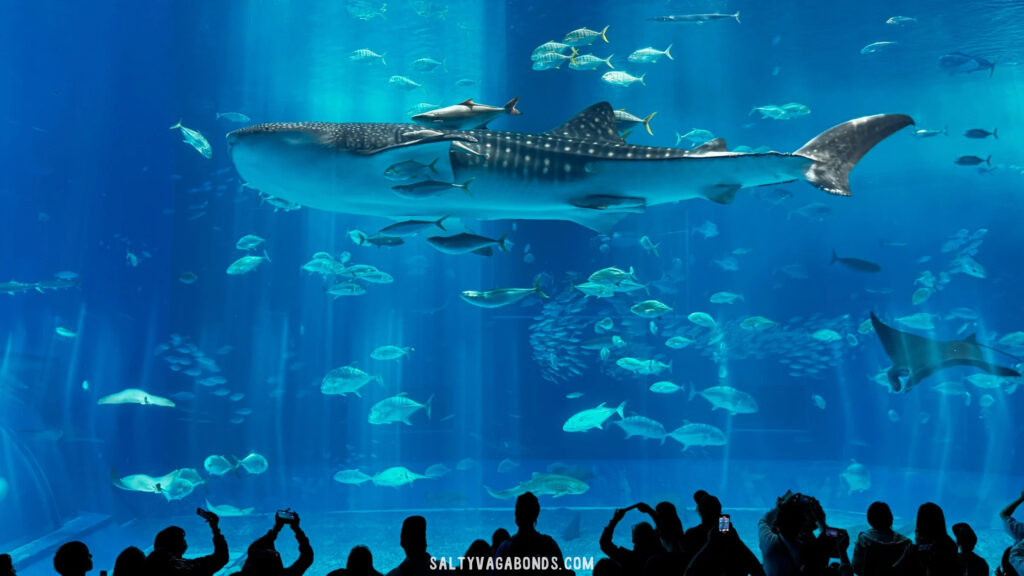
Churaumi Aquarium
We spent one full day exploring the Churaumi Aquarium and had an absolute blast. It’s easily one of the most impressive aquariums we’ve ever visited, home to the Guinness World Record for the world’s largest aquarium window!
That massive tank is the main attraction, and it’s honestly breathtaking. There’s a standing area for a closer look, theater-style seating in the back if you want to sit and soak it in, and even a café where you can grab a drink and enjoy the view of the manta rays and whale sharks cruising by.
But don’t skip the other tanks, there’s so much more to see. We loved the educational areas that highlight local marine life, especially creatures you might spot (or want to avoid!) while exploring Okinawa’s waters, like rockfish and Hebrew snails, both of which are poisonous.
You’ll also find:
- 🐢 Sea turtles
- 🐠 Tropical fish
- 🐋 Manta rays
- 🐚 Local reef species
This place is a must-do, especially if you’re traveling with kids or you’re into marine life. We easily spent a few hours wandering the exhibits and learning something new at every turn.
Oceanic Culture Museum & Planetarium
This museum was hands-down one of my favorites in Okinawa, it truly honors South Pacific cultures in all their glory. We kicked off our visit with the planetarium show, and I’m so glad we did.
It was a beautiful, immersive experience that told the story of star sand (yes, it’s real—tiny grains of sand shaped like stars!). We actually found some while beachcombing on Yoron Island, so it felt extra special. The show included references to constellations visible in Okinawa, and we highly recommend making time for it.
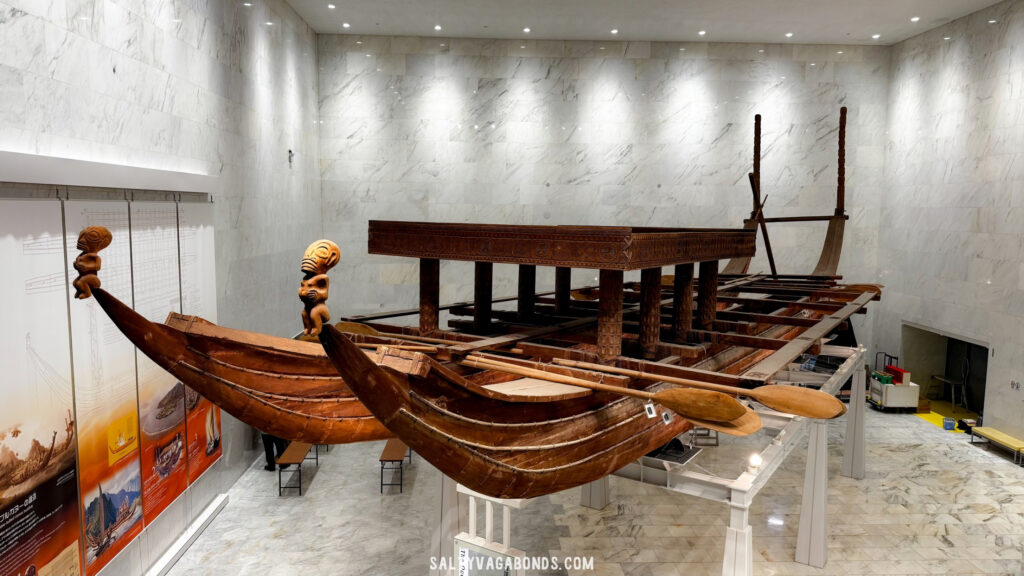
The museum itself offers a meaningful look into the traditional and cultural ways of life throughout the Pacific Islands. You’ll find fascinating artifacts like traditional fishing hooks, carved tiki heads, and intricately crafted wooden tools.
Upstairs, there’s a full wraparound exhibit that follows the journey of a young man learning the ways of the sea. It takes you through every step, reading the stars, rope weaving, net making, and ends with him building a sailing canoe. The storytelling and design are so well done.
Now, we’re a sailing family and actually own a Polynesian double canoe, so we may be a little biased… but this museum is a gem. If your family loves Moana (or is counting down for Moana 2), this is a must-visit.

Tropical Dream Center
The Tropical Dream Center is a bit of a walk from the Churaumi Aquarium and Native Okinawan Village, but it’s so worth the detour if you have the time. If you spot a tall, spiraling tower that looks like a seashell or sand castle reaching into the sky, you’ve made it!
This spot is truly a dream for flower lovers. They have a whimsical path with a fun stamp rally (basically a seek-and-find activity that’s great for kids and adults alike). It’s the only botanical garden we’ve ever visited with hundreds, maybe even thousands, of orchids in every color imaginable.
Beyond the flowers, there’s an entire garden dedicated to tropical fruit trees, we saw bananas, mangoes, papayas, cocoa trees, and even a screw-pine! After wandering the gardens, don’t miss the butterfly house. We were lucky enough to spot some in the chrysalis stage, which felt magical.
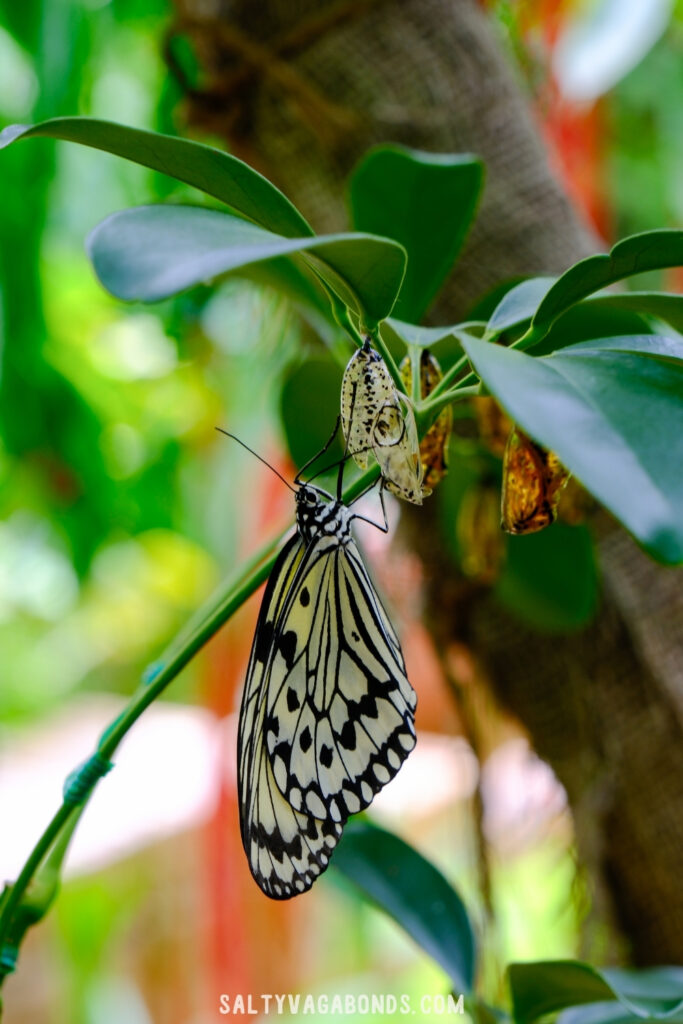
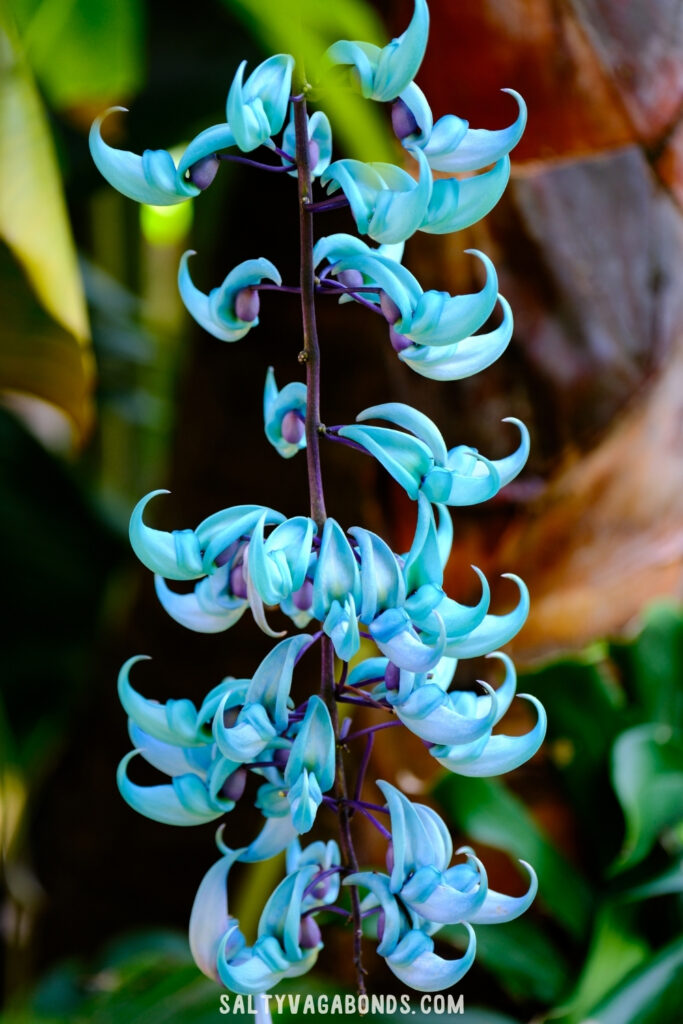
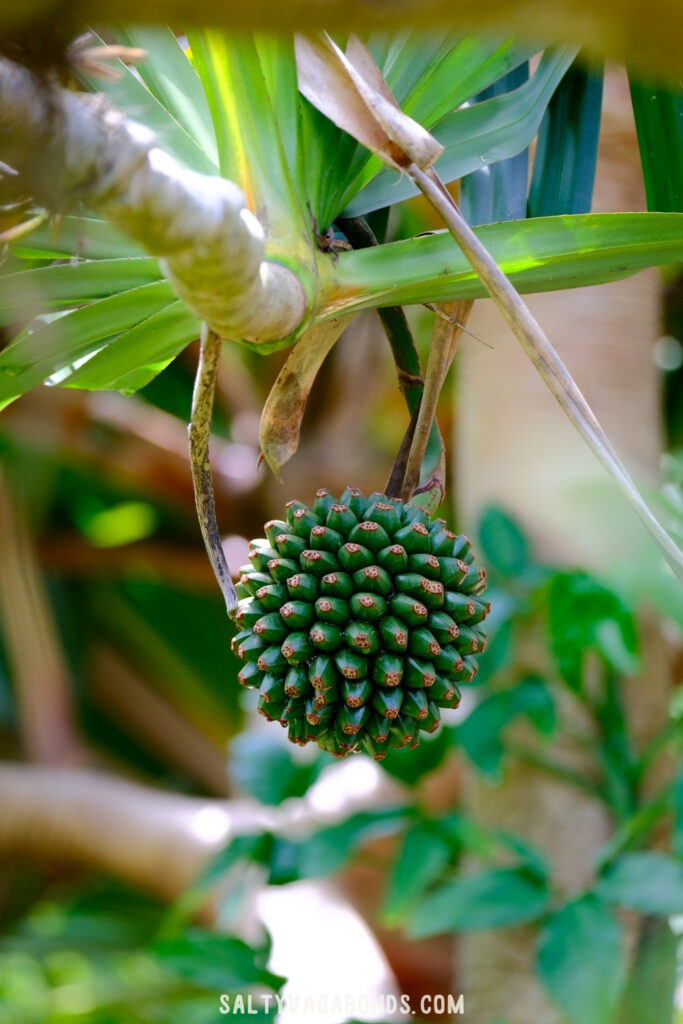
This may be a hidden gem that doesn’t get all the influencer hype, but I’m telling you, add it to your list if you’re already visiting the aquarium or the Oceanic Culture Museum. You won’t regret it.
American Village & Fireworks on Saturdays
If you’ve been to Okinawa before, or scroll travel content on social, you’ve probably heard of American Village. It’s exactly what it sounds like… a quirky mashup of all things “America,” reimagined through a Japanese lens. It’s part shopping mall, part boardwalk, part Instagram photo op zone, and honestly, kind of a vibe. We broke down what to see, where to park, and whether it’s actually worth the hype in this post.
One of the weirdest (and most hilarious) places we walked into? A Christmas store. In July. Think: snow globes, nutcrackers, fake snow… the whole winter wonderland fantasy while it’s 90° and humid. Total time warp.
We didn’t go crazy on souvenirs, but we did try to get a seat at a little burger spot, curious to see if they could pull off a real American cheeseburger (they do have easy access to Wagyu, after all). But in true us fashion… we caved and ate Mexican food instead. Because that’s my thing: travel the world and see who’s doing tacos right outside of Mexico.
The verdict? The tacos were decent. But the birria consomé totally caught us off guard, it had a miso soup twist that felt like Japan and Mexico got into a fusion food challenge. We weren’t mad at it… just surprised.
Bonus: On Saturday nights, they do fireworks and they’re free! Bring a drink, grab a spot by the Ferris wheel, and enjoy the show. It’s a fun family night out with total summer energy.
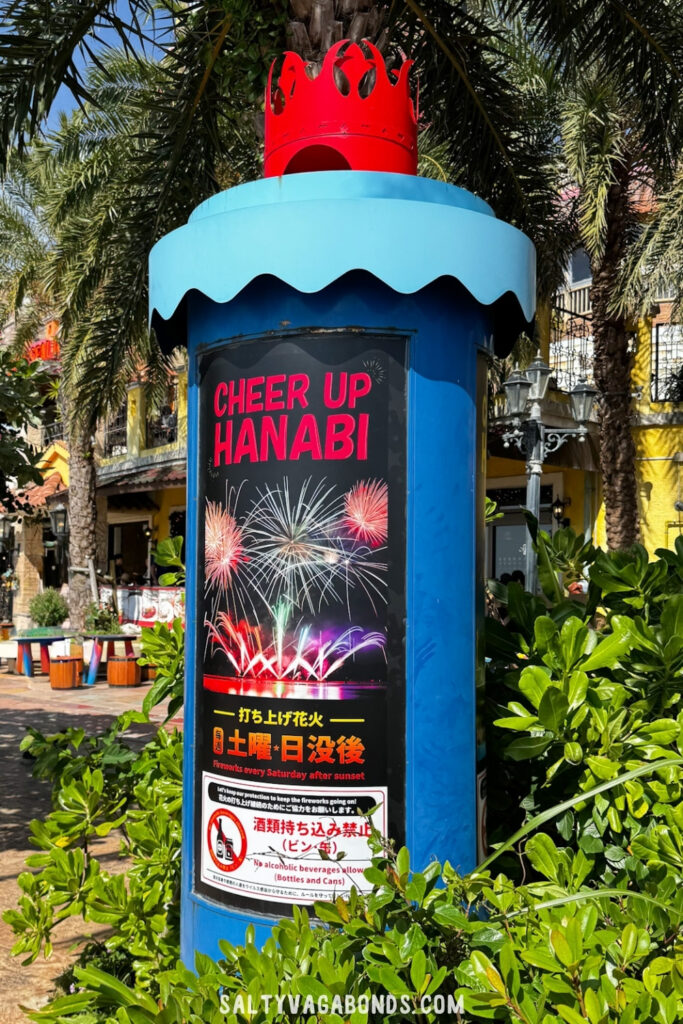

Pokémon Seek & Find
We had high hopes for the Pokémon walk after seeing a bunch of influencers hyping it up, apparently there were themed murals and signage hidden all over American Village. But by the time we got there, womp womp, most of it had been painted over. Big disappointment for our little Pokémon lover.
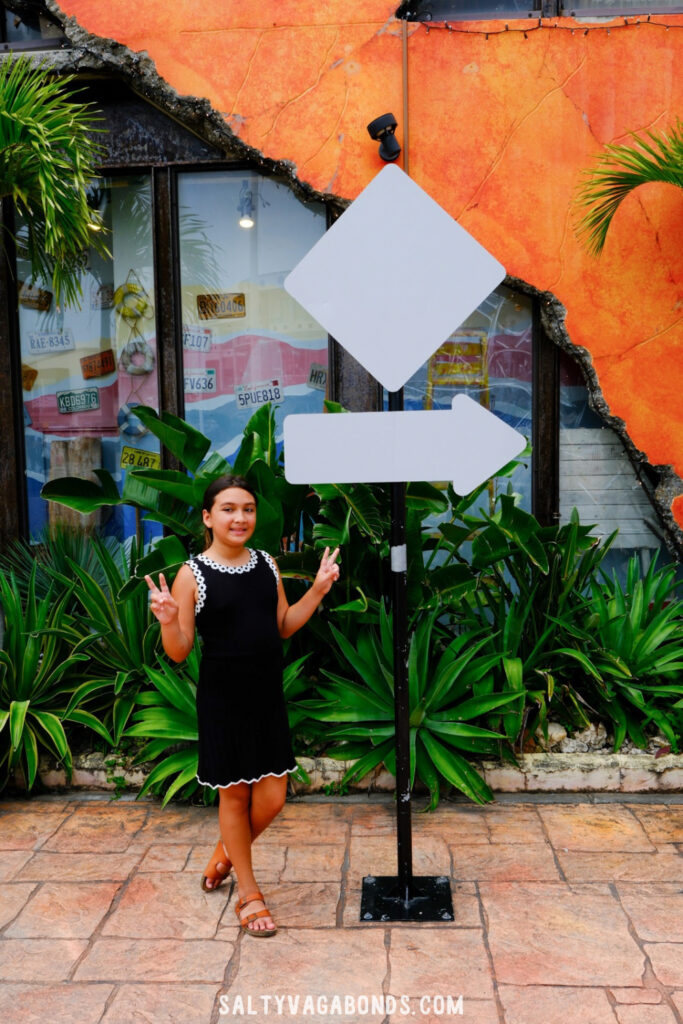
BUT! All was not lost, we visited the Pokémon Center on a different day and that brought the smiles right back. (Highly recommend if you’ve got fans in your crew!)
Mibaru Beach
If you’re looking for one of the best vacation photo spots and a beach that totally delivers on Okinawa beauty, Mibaru Beach is where it’s at. This is the spot with the colorful “OKINAWA” letters right on the sand making it perfect for your next favorite travel memory.

The sign is located next to the customer service desk for OCEANS Niihara Undersea Tourist Center, and once you snap your pics, definitely hop on one of their glass bottom boat tours.
The reef views are stunning, and the best part? The owner told us her family has lived and cared for this land for generations, so when you ride with them, you’re getting a real local experience that feels extra meaningful.
They also offer a bunch of fun activities:
– Jet ski rentals
– Banana boat rides
– A covered picnic area for shade
– And even a sweet golden retriever who loves greeting beachgoers
After all the sun and salt, we had to stop into SUISAI, a cozy little café right by the beach, for air conditioning, cold drinks, and the most incredible mango shave ice (kakigori) we’ve ever had, yes, even better than the ones we’ve tried in Hawaii. Just don’t forget: it’s cash only, so plan ahead!
This beach ended up being one of our favorite stops on the island. good vibes, amazing views, and that kind of “hidden gem” feeling that sticks with you.
Ryukyu Glass Village
Ever wanted to try glassblowing or see how it’s done up close? Ryukyu Glass Village is one of the coolest (well, hottest) places to experience the art of glassmaking in Okinawa.
It’s free to visit and watch the pros in action under the open-air kiln pavilion, and trust me, you’ll feel the heat as soon as you step up to the safety barrier. It’s wild watching them create everything from delicate cups to doorknob-like pieces and colorful little saucers, all by hand.
The store inside is packed with stunning handcrafted glass, everything from tumblers to vases, and honestly, it’s hard not to walk out with a souvenir or two.
If you’re up for a hands-on activity, you can make your own glass mug or cup at their arts and crafts center toward the back of the property. They’ve got a cozy waiting area, a little café, and even painting activities if you’re not into glassblowing but still want to get creative.
The whole Ryukyu Glass Village is a great stop if you’re near Nago, or if you’re super into glass, there’s also Glass House in the Forest, another studio nearby worth checking out.
It’s one of those experiences that’s both relaxing and mesmerizing. 10/10 recommend making time for it.
Shuri Castle
Once the royal palace of the Ryukyu Kingdom, Shuri Castle is a powerful symbol of Okinawa’s unique cultural identity. With its bold red architecture and detailed dragon motifs, it blends Japanese, Chinese, and native Ryukyuan influences in a way that feels completely its own.
Sitting high on a hill in Naha, this UNESCO World Heritage Site has survived war, fires, and time, including the most recent fire in 2019, which destroyed several key buildings.
When we visited, the castle itself was completely enclosed by a massive structure to protect the restoration work efforts, so yeah, that part was a bit of a bummer. But even with the main buildings under construction, the castle grounds are still absolutely worth exploring. They’re grand, peaceful, and full of history.
We spent the morning learning about the castle’s legacy and the impressive work being done to bring it back to life. If you’re in Okinawa, you have to visit Shuri Castle, especially since it’s conveniently located right near Naha City. It’s one of those places that sticks with you, restoration and all.
Dragon Boat Races (Hari)
Dragon boat races, called “Hari” in Okinawa, are one of the most exciting cultural events that happen in the capital city of Naha.They generally run the Hari festivals from the beginning of May to the end of July. These races are all about praying for safe voyages and a bountiful fishing season, but let’s be real, they’re also a full-on adrenaline rush.
The long wooden boats are beautifully decorated, often with dragon heads, and powered by teams of paddlers rowing in perfect sync. Sometimes there’s a drummer onboard, hyping everyone up and keeping the rhythm going. The energy? Next level.
We experienced the Naha Hari Festival, and let me tell you, it was loud, fast, and full of community spirit. Schools, local teams, and even public groups join in, making it a fun blend of tradition and friendly competition. Definitely one of those “you had to be there” moments.
Now here’s the thing, finding the exact location of the races can be tricky. Most websites sometimes will give you general info and don’t always pinpoint where the event actually happens.The website Okinawa-move has a schedule here and you can rely on them for the updated schedule.
A little scouting is usually needed, especially if you’re driving and looking for parking.
If you’re attending the Naha Dragon Boat Races at Nahashin Port, this GPS pin will help:
📍 26.2387264, 127.6804940
Save it, screenshot it, drop it in your maps, you’ll thank me later.
Things We Missed but You Should Totally Do
Whale Watching Tours
From December through late March, the Okinawa prefecture and its outlying islands become a seasonal home for humpback whales migrating down from Russia and Alaska to birth and raise their calves in warmer waters.
While we didn’t do a whale-watching tour this time, we’ve experienced it in Baja before and it’s absolutely magical. If you’re visiting Okinawa during the winter months, definitely consider booking a tour in the Kerama Islands. These crystal-clear waters are one of the best places in Japan to spot humpback whales, and for many travelers, seeing them here is a true bucket list experience.
The best places to see these animals are usually in secluded bays, where humpback whales feel welcome and undisturbed. The Kerama Islands and their different islands offer one of the best natural environments for whales across the islands of Okinawa.
If you’re staying in the north of the central region, you’ll find whale-watching tours offered from Ie Island (also known as Lejima Island), just a short ferry ride from Motobu Port. Our personal experience on the island was during the Trumpet Lilly Festival, so we can’t speak for the tour operators there, but the ones we did meet on Okinawa and Yoron were fantastic.
Surfing on Okinawa
Okinawa sits at the tail end of the trade winds belt and is uniquely positioned between the East China Sea and the Pacific Ocean. Most of the good surfing happens along the Pacific side, unless a southwesterly wind kicks up and brings some rollers into the western bays.
Our Airbnb host was actually an avid surfer, but we had to skip out after we all got sick 😅. That said, he had tons of local knowledge and shared a few great surf spots, so if you’re looking to paddle out, check out his Instagram: @papaenishi. He speaks great English and is super friendly.
JUNGLIA Okinawa
JUNGLIA is Okinawa’s newest nature-based theme park, opening July 25, 2025, in the northern Yambaru forest. It’s designed to mix wild adventure with immersive relaxation, think jungle ziplines, dinosaur safaris, and dreamy spa vibes, all in one lush destination.
The park’s top attractions include a Jeep-style Dinosaur Adventure Tour, the Horizon Balloon (which floats you 200 meters into the sky!), and thrill rides like Sky Phoenix and Gravity Drop. Craving a chill moment? The wellness zone features infinity pools, cave baths, and the world’s largest open-air public spa, yes, seriously.
And the fun doesn’t stop after sunset. JUNGLIA lights up at night with splash parades, shows, and fireworks, turning it into an all-day family experience. Located near Nakijin, it’s easy to reach from Naha or nearby resorts, with shuttle service and combo tickets available.
How to Travel Around Okinawa and Its Islands (Including Ferries!)
I’ve shown you so many cool places to visit in Okinawa and yep, some of them are on islands! So how do you actually get around to see them all? Here’s the breakdown:
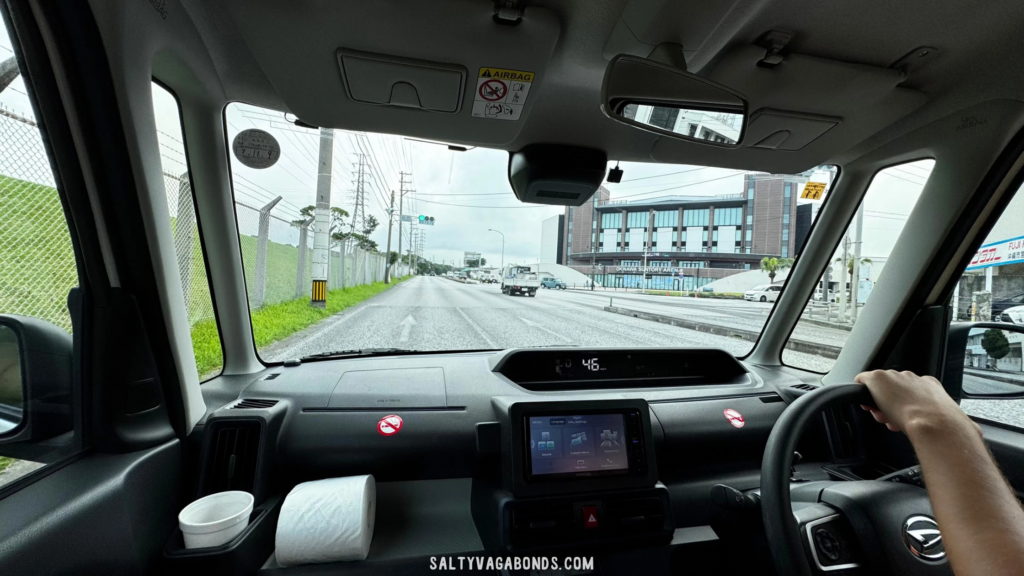
Rental Car
One of the easiest ways to explore Okinawa is by renting a car. Driving gives you the most freedom, especially for places like Cape Hedo, scenic coastal drives, or hidden beaches. Just remember—they drive on the left side of the road!
We’ve got a full guide on renting a car in Japan (with tips if it’s your first time driving abroad), which you can check out here.
Taxi + Rideshare
Taxis are easy to use, especially with apps like GO Taxi or Uber (yes, Uber works in some areas). It’s great if you don’t want to deal with parking or public transit, but keep in mind, it can get pricey for longer distances.
Japanese Ferry Boats
For hopping to nearby islands like Yoron, ferries are a great adventure! We made a two-part video series using the ferry with our rental car, booking online can be tricky, but it’s doable. Depending on the ferry you are catching, you may be doing it online or in person.
Pro Tips: Arrive early, ask for help at the ticket counter, and don’t be afraid to use Google Translate on your phone!
Local Buses + Airport Shuttle
If you’re not renting a car, the Yanbaru Express Bus and Okinawa Airport Shuttle are affordable and super convenient for getting around.
City buses are reliable too—just look for the yellow bus stop signs and use Google Maps for live routes.
Wherever you’re headed, Okinawa makes getting around part of the adventure!
Should I take my family to experience all the things to do in Okinawa?
Absolutely. We did so much during our trip and still had room for more. Whether you’re spending a full week or just a few days on the island, Okinawa is packed with family-friendly adventures.
If you’re looking for the top things to do, our Okinawa travel guide highlights a few musts: explore Shuri Castle for its rich history, check out the dragon boat races if your visit lines up with festival season, and don’t miss American Village!
Especially on Saturday nights when fireworks light up the sky around 8 p.m., such a fun way to end the evening. And if you have the time, definitely plan a full day at Ocean Expo Park and the Churaumi Aquarium. It’s one of the largest aquariums in the world, and our kids were absolutely obsessed with it.









Planning
Tips
Destinations
Oceania
North America
Europe
Asia
Bali
Japan
Korea
Malaysia
singapore
Thailand
Vietnam
France
U.K.
Germany
Canada
Mexico
usa
French Polynesia
Micronesia
Hawaii
Guam
Indonesia
All Travel Blogs
Destinations
Planning
Tips
Destinations
Travel Tips
Planning
About us
Hotels
via Booking.com





Car Rental
Book a Bus/Train/Transfer
Find Cheap Flights
Get ESIM or SIM Card
Easy Currency Exchange
Book Tours & Attractions
Get Travel Insurance
via Discover Cars
via Skyscanner
via 12Go
via Wise
via Viator
via Visitors Coverage
via SimOptions
Destinations
Planning
Tips
All Categories
Travel Tips
Worldschooling
Digital Nomad
Travel Hacking
Travel with kids
Lifestyle
Military Travel
Packing
All Travel Tips
Tech
