





saltyvagabonds
Saltyvagabonds
Destinations

Asia
Bali
Japan
Korea
Malaysia
singapore
Thailand
Vietnam
Europe
Germany
France
U.K.
North America
Canada
Mexico
Oceania
Polynesia
Micronesia
Hawaii
Guam
Indonesia
All Travel Blogs
Travel Tips
Planning
About us
usa
Destinations
Travel Tips
Planning
About us
All Categories
Travel Tips
Worldschooling
Digital Nomad
Travel Hacking
Travel with kids
Lifestyle
Military Travel
Packing
All Travel Tips
Tech


Travel Hacking with
Chase Points
Military Space A Flights
Guide









The Best Tahiti Snorkeling Spots for Families
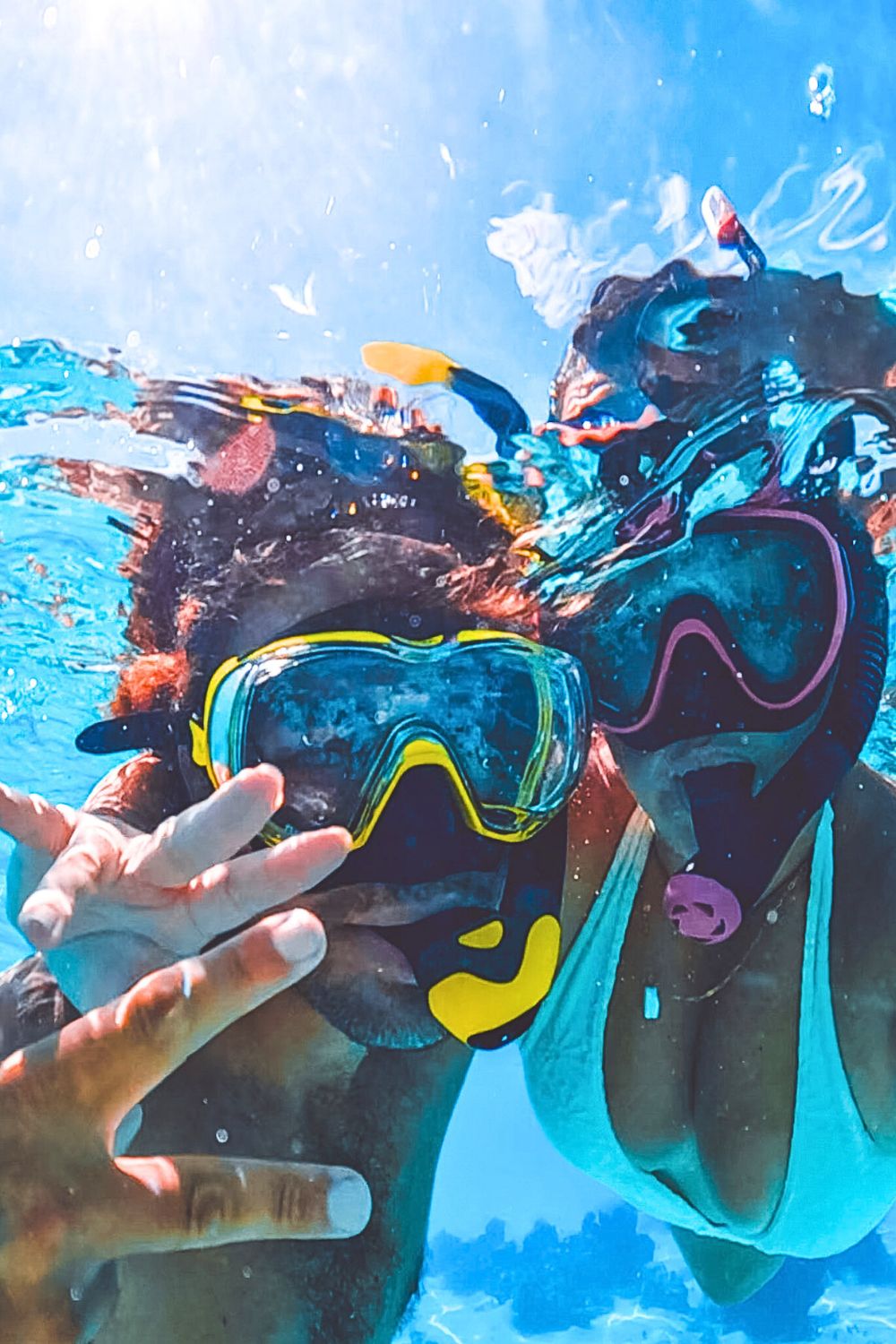
Tahiti has some of the most magical snorkeling in the world, calm lagoons, sea turtles, coral gardens, black-tip sharks, and crystal-clear water perfect for kids. This guide breaks down the best family-friendly Tahiti snorkeling spots and where to find tours you can trust.

If you click on links we provide, we may receive compensation.


We spent about one and a half months between the island of Tahiti and Moorea, and honestly, it’s one of the best places to be if you love being in the water every single day. French Polynesia is a dream for anyone who wants calm lagoons, coral reefs, and a little adventure mixed into their itinerary.
We snorkeled almost daily, or ended up at the beach without even trying. On Tahiti, a beautiful beach, quiet cove, or perfect little turnout is always right around the corner, making it easy to dive into the water whenever the mood hits.
Best Tahiti Snorkeling Spots for Family Adventures
If you’re planning a vacation on the island of Tahiti and want to spend your days in the water, this list is the perfect place to start. Tahiti has crystal clear waters, colorful tropical fish, calm shallow lagoons, and plenty of public beaches where beginner snorkelers and families can jump right in.
While you can find beautiful spots all around French Polynesia, these are the best snorkeling spots on the main island of Tahiti that consistently offer great visibility, easy access, and incredible marine life.

Snorkeling Spots on Tahiti:
- Museum of Tahiti & The Islands: Pointe des Pêcheurs
- Teahupo’o Lagoon
- Point Venus
- Punaauia Lagoon & Vaiava Public Beach
- InterContinental Tahiti Resort & Spa: Motu Iti & Lagoonarium area
- Rohotu Public Beach (Plage Publique de Rohotu)
- La Plage de Maui
- Plage de Toaroto
Bonus: Moorea (30-minute ferry from Tahiti), If you want our full guide click here
Why Tahiti Is Perfect for Family Snorkeling
Calm Lagoons in French Polynesia
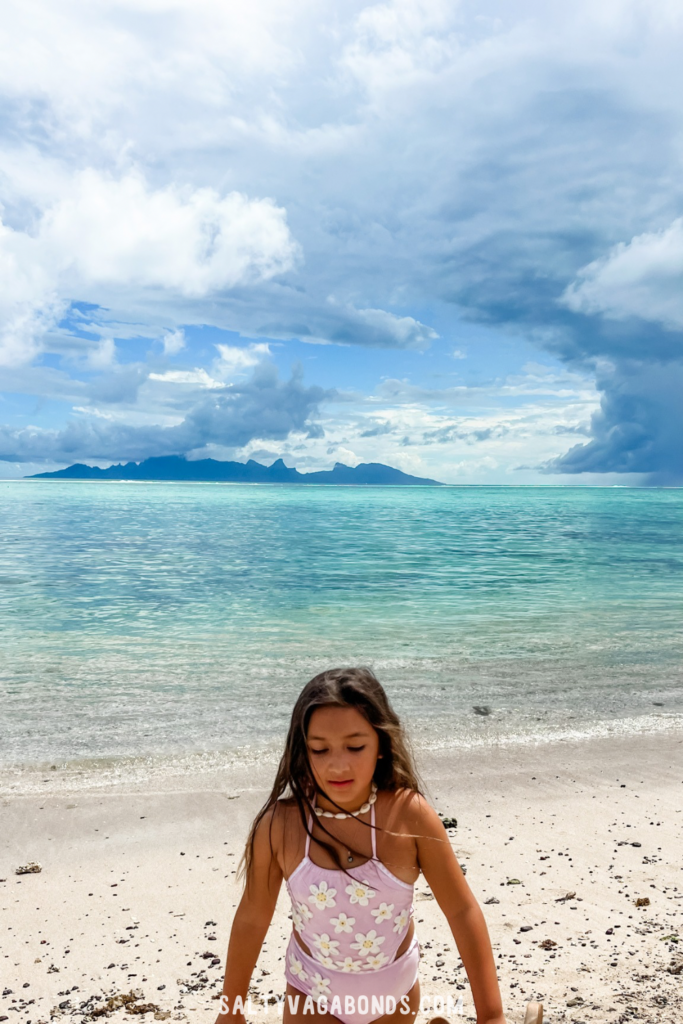
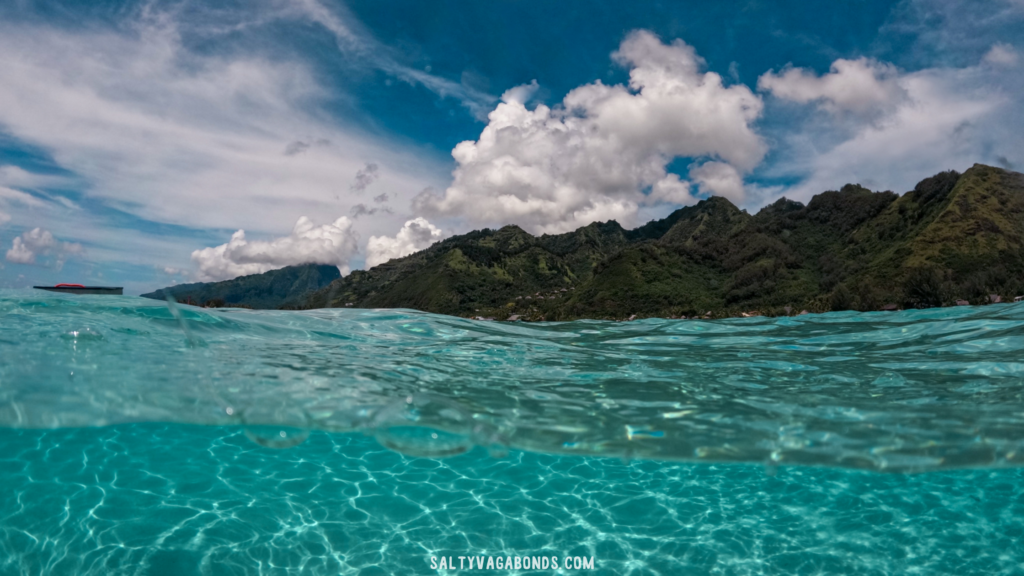
Most of Tahiti’s best snorkeling sits inside calm lagoons protected by the barrier reef. If you see the reef break and whitewater far off in the distance, you’re in the right place. That outer reef absorbs all the wave power long before it reaches shore, leaving you with shallow waters, gentle conditions, and easy snorkeling for beginner snorkelers and little kids. These quiet pockets of water are what make the island of Tahiti such a perfect place for families.
Year-Round Warm Water + Great Visibility
Because Tahiti sits just 18 degrees south of the equator, the water stays warm throughout the year, usually between 79°F and 82°F.
But what makes snorkeling here truly special is the visibility. The crystal clear waters around the main island of Tahiti and Moorea let you see coral heads, tropical fish, and even sea turtles from far away.
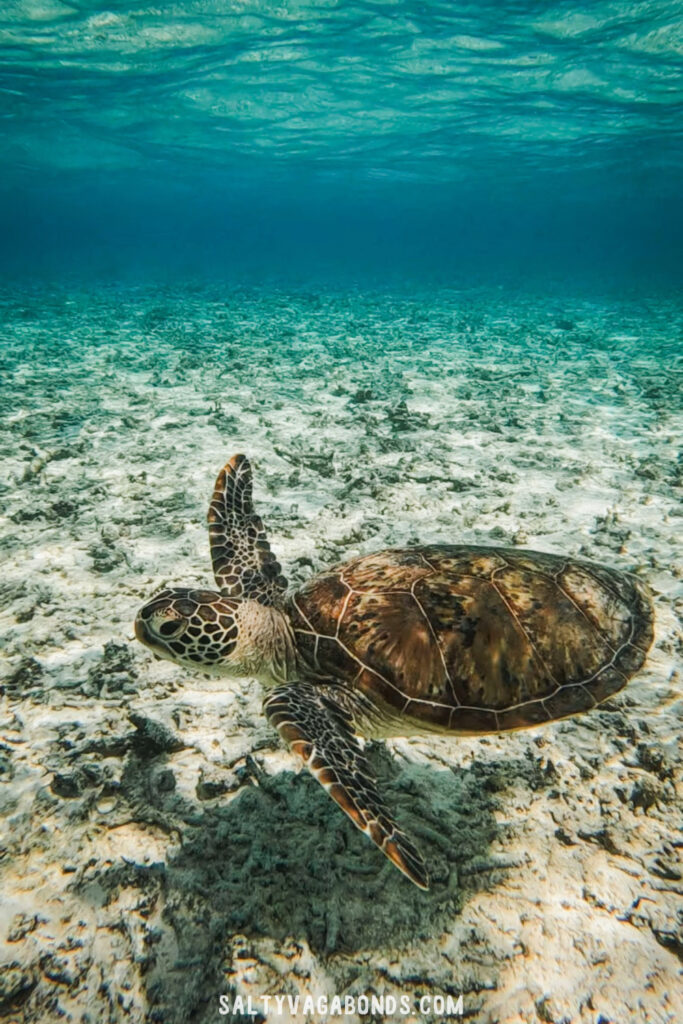
During our 1.5 months in French Polynesia, we never had a bad visibility day. And we’ve snorkeled in Hawaii, the Bahamas, Florida, Mexico, Japan… the only place that ever came close was Okinawa. The clarity in Tahiti and Moorea is next-level, it honestly feels unreal.
Marine Life Kids Love: Turtles, Rays, Reef Fish
No matter where you hop in, you’ll see something, from tropical fish to rays to the coral itself (which is a living animal!). Tahiti is full of marine life, even in the smaller, quieter public beaches.
Spots like Pointe des Pêcheurs have sea turtles that frequent the channel, but always check the weather conditions and ask locals about the currents before heading too far out. A quick look at how the water is moving will tell you everything you need to know.
Are Sharks Safe in Tahiti? (Black-Tip & Nurse Sharks)
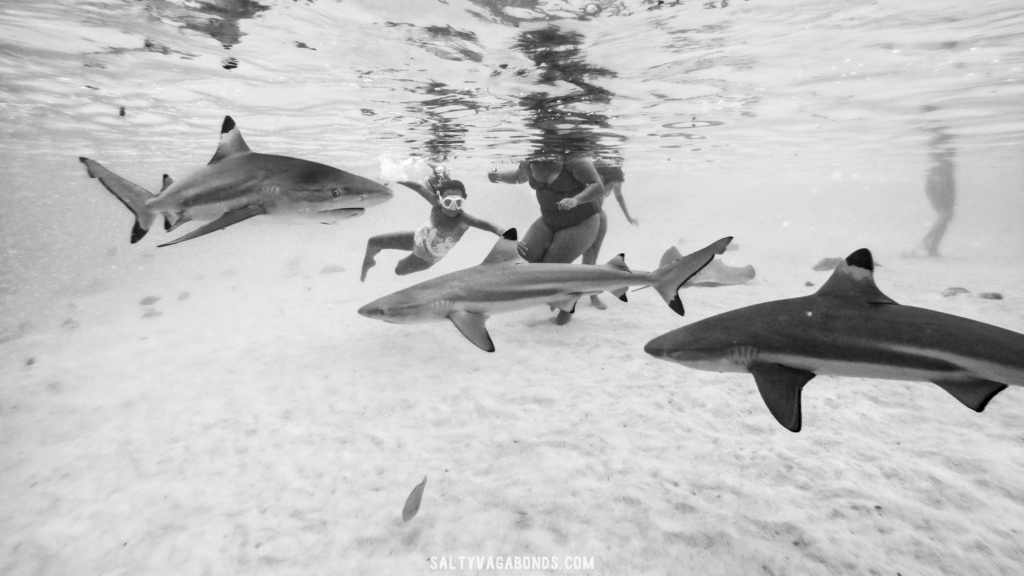
Tahiti and Moorea are known for their blacktip reef sharks and nurse sharks, and seeing them in the wild is a unique experience, not something to be afraid of.
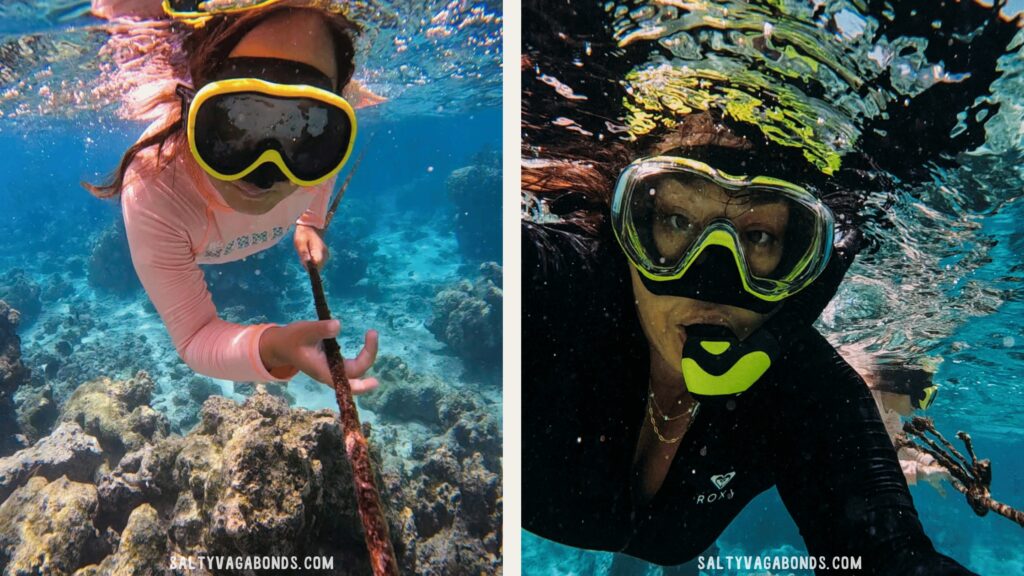
When our daughter Audrey was eight, she was nervous at first, but she got brave and hopped in. The sharks kept their distance and behaved exactly how healthy wild sharks should. They’re curious, not aggressive.
Of course, you still need to respect them. If a shark swims a little closer than you like, keep eye contact and slowly redirect your body. But overall, our shark encounters in Moorea and Tahiti felt safe and unforgettable, definitely a highlight of our snorkeling experience in French Polynesia.
Top Tahiti Snorkeling Spots for Families
Depending on the kind of snorkeling experience you want, different areas around the island of Tahiti will be better suited for your family. If you have older kids or strong swimmers, you can explore deeper reefs, channels, and more adventurous locations. But if you have little ones or beginner snorkelers, calm shallow lagoons, sandy entries, and easy-access beaches are going to be your best friend.
Below, I break everything into two groups: the best kid-friendly snorkeling spots on Tahiti and the more adventurous locations for confident swimmers.
Best Snorkeling Spots on Tahiti for Little Kids + Beginners
These spots all have calm lagoon water, easy sandy entry, and plenty of colorful marine life close to shore.
Point Venus

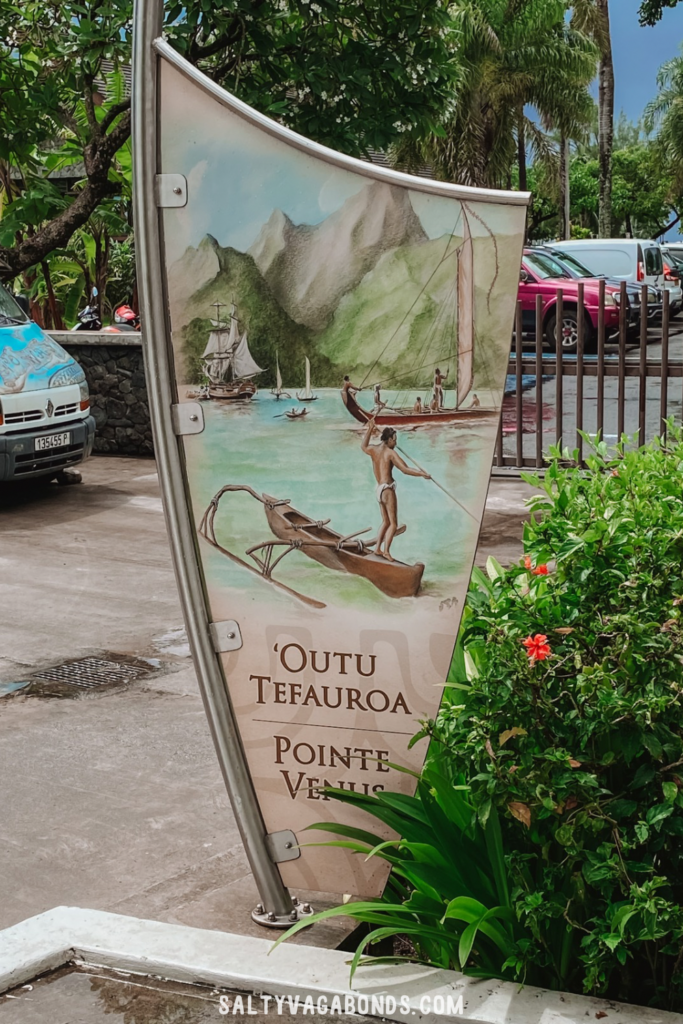
Shallow reef, soft black sand beach, and calm water make this one of the easiest snorkeling spots for little kids. The reef sits close to shore, so you don’t need to swim far to see tropical fish and coral heads.
This area is also great for learning a little history, Captain James Cook built an observatory here in 1770 to study the transit of Venus. The lighthouse and local artist stalls make this a fun half-day stop.
Punaauia Lagoon & Vaiava Public Beach
One of the best all-day family beach spots on the island. Large parking area, restrooms, food trucks, and shallow water.
A highlight here is the Punaauia Snorkelling Trail, a series of nine stations marked by colored buoys that explain different coral species and marine life. Fishing is not allowed in the trail area, which keeps the reef healthy and full of bright tropical fish.
If you want white sand, easy access, clear water, and amenities, this is your spot.
InterContinental Tahiti Resort & Spa (Motu Iti & Lagoonarium Area)
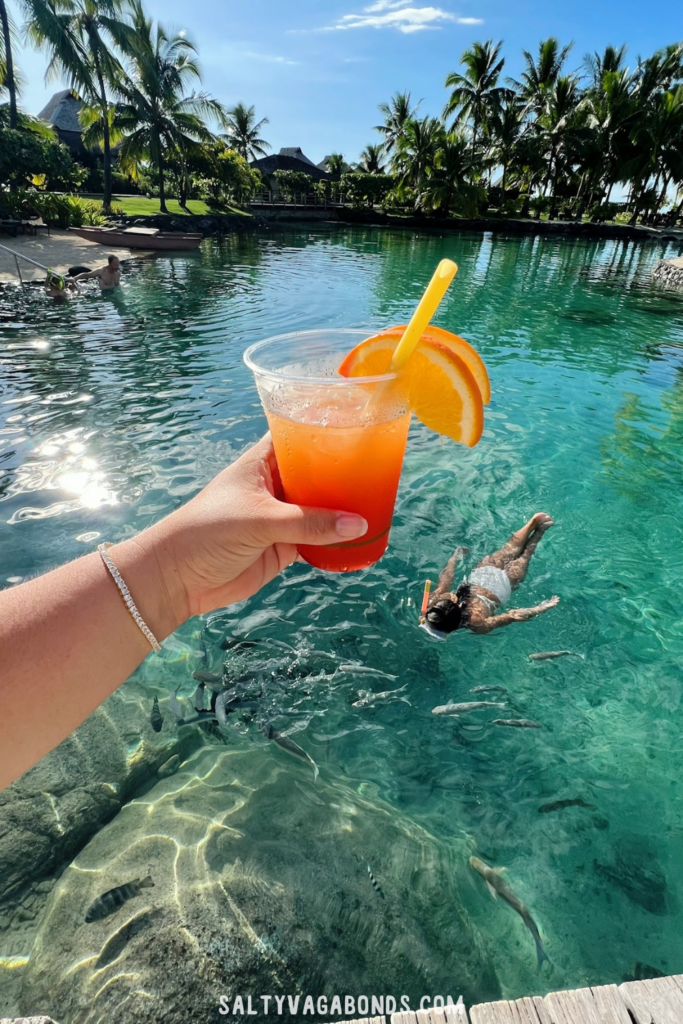
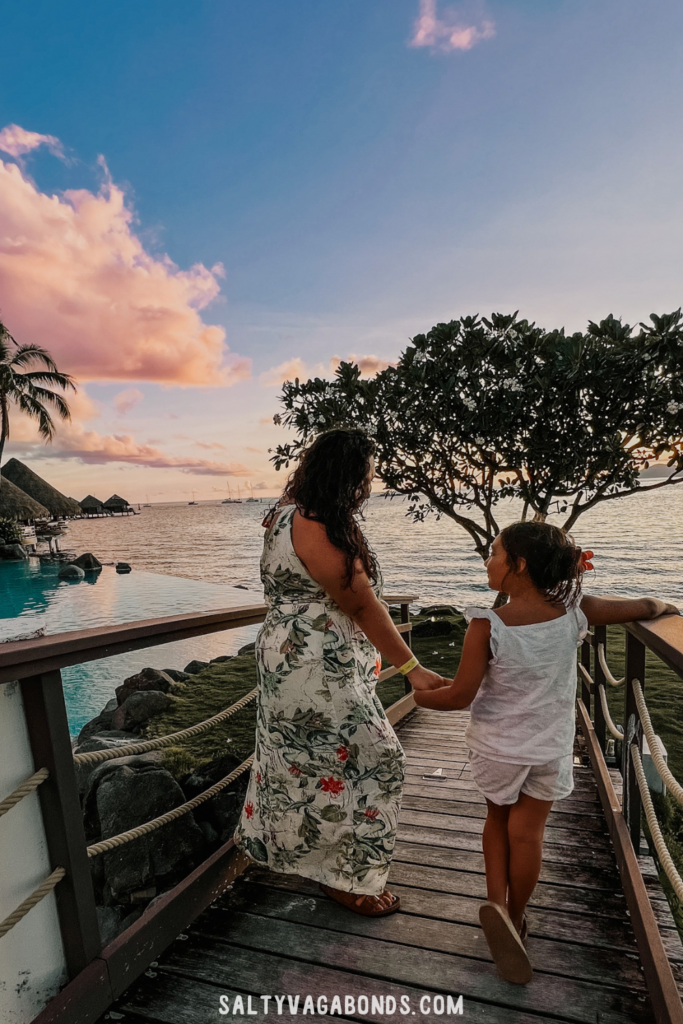
Even though it’s a resort, the snorkeling here is surprisingly good. With a day pass, you get access to the lagoon area around Motu Iti, which is protected from waves and currents.
Perfect for little swimmers, shallow, calm, and full of fish. A great place to use your snorkel gear without worrying about conditions.
Rohotu Public Beach (Plage Publique de Rohotu)
This was our “walk-to-the-beach” spot because it sat about 200 feet from our lodging, and we LOVED it.
A beautiful white sand beach, clear lagoon water, and coral heads just feet from shore make this the perfect place for families and nature lovers.
We saw parrotfish, Sergeant Majors, and even a massive Spider Conch. Currents can get stronger the farther you go from shore, so keep an eye on weaker swimmers.
If you want calm water, easy snorkeling, and a laid-back local vibe, Rohotu is a must.
La Plage de Maui (Beach Near La Plage de Maui Restaurant)
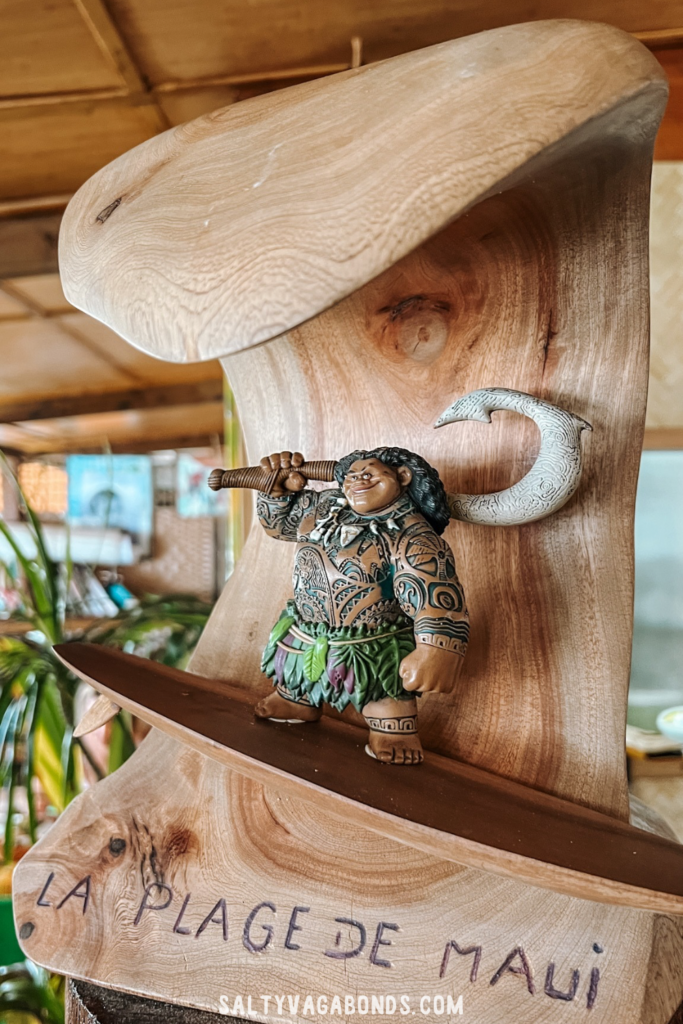
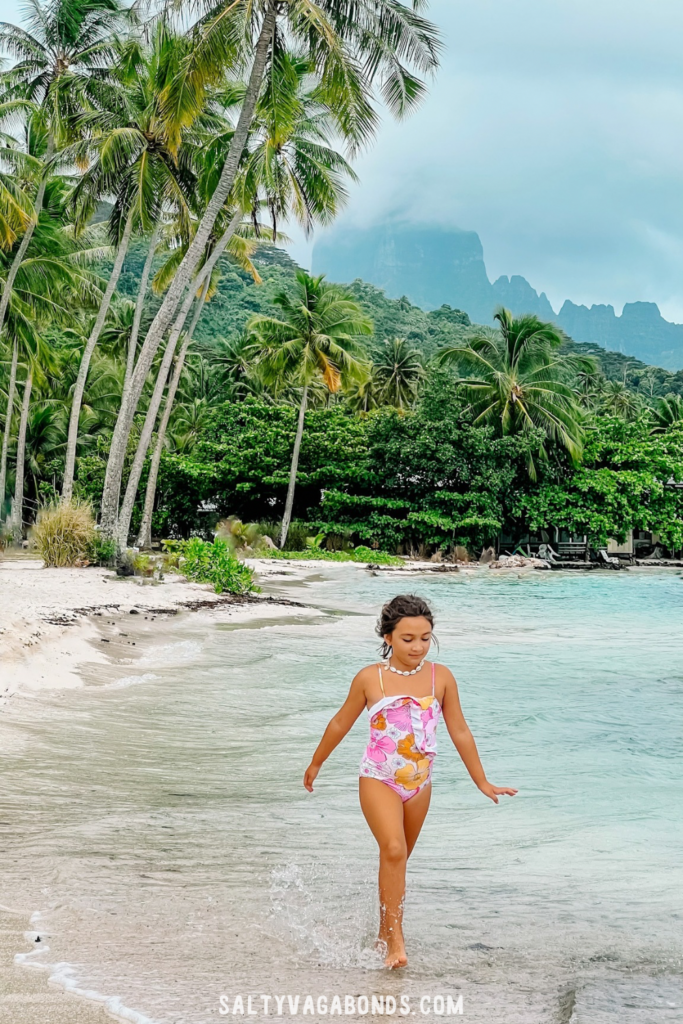
A rare white sand beach on Tahiti Iti. No official parking or restrooms, but the small local market across from the restaurant is perfect for snacks or drinks.
The beach here is protected by an old dock structure and break wall, making the lagoon super calm for little snorkelers.
Perfect for quick dips, beginners, and small kids and an ideal stop during a road trip around Tahiti Iti.
Plage de Toaroto
Often overshadowed by Vaiava Beach next door, but it’s another great beginner-friendly lagoon.
The sandy section is smaller, but the grass park is large and perfect for picnics. Rockier entry, so water shoes help, but once you’re in, the lagoon is calm and clear.
Close to the Hotel Tahiti Ia Ora Beach Resort and within view of overwater bungalows.
Best Snorkeling Spots for Adventurous Families
These spots are better for strong swimmers, older kids, or families comfortable with currents, deeper water, and more dynamic conditions.
Lafayette Beach
Located on Route 1, with limited parking but beautiful scenery. Snorkeling is best on the north and south sides of the beach.
The north reef offers more protection from swell, while the south side should only be attempted during calm weather conditions.
This area gets blacktip reef sharks, manta rays, and deeper drop-offs, perfect if you want a more thrilling lagoon experience.
Check the swell report before heading here; when north swells hit, this turns into a surf spot and is not ideal for snorkeling.
Museum of Tahiti & The Islands: Pointe des Pêcheurs

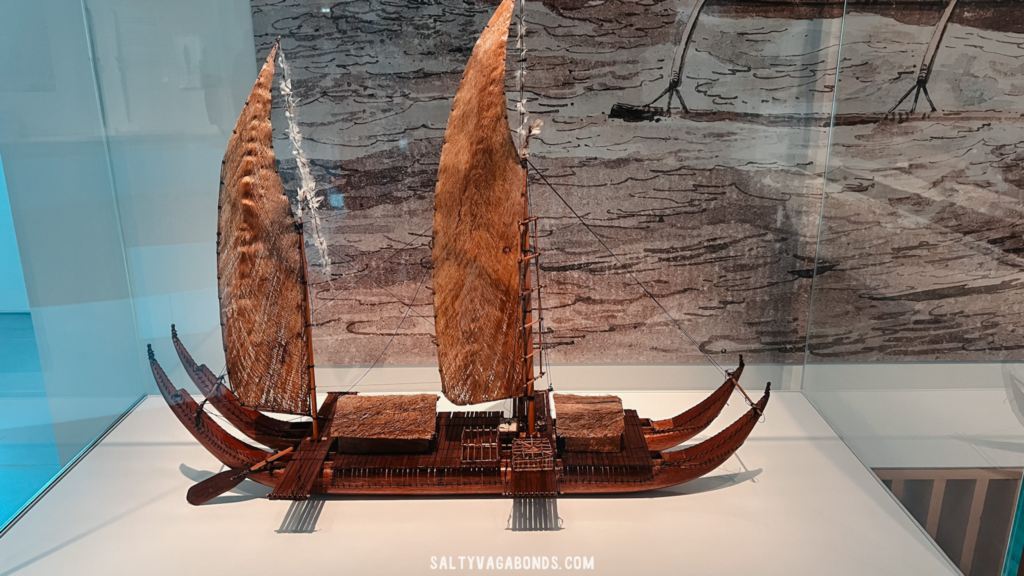
This is a popular deeper-water reef that’s home to sea turtles, larger reef fish, and stronger currents. Park at the museum, walk to the water, and aim for the point. You’ll know you’re in the right place when the waves converge and the whitewater breaks on both sides.
This spot also sees tour operators, so be aware of boat traffic. Recommended only for experienced snorkelers familiar with deeper channels and reading water movement.
Teahupo’o Lagoon
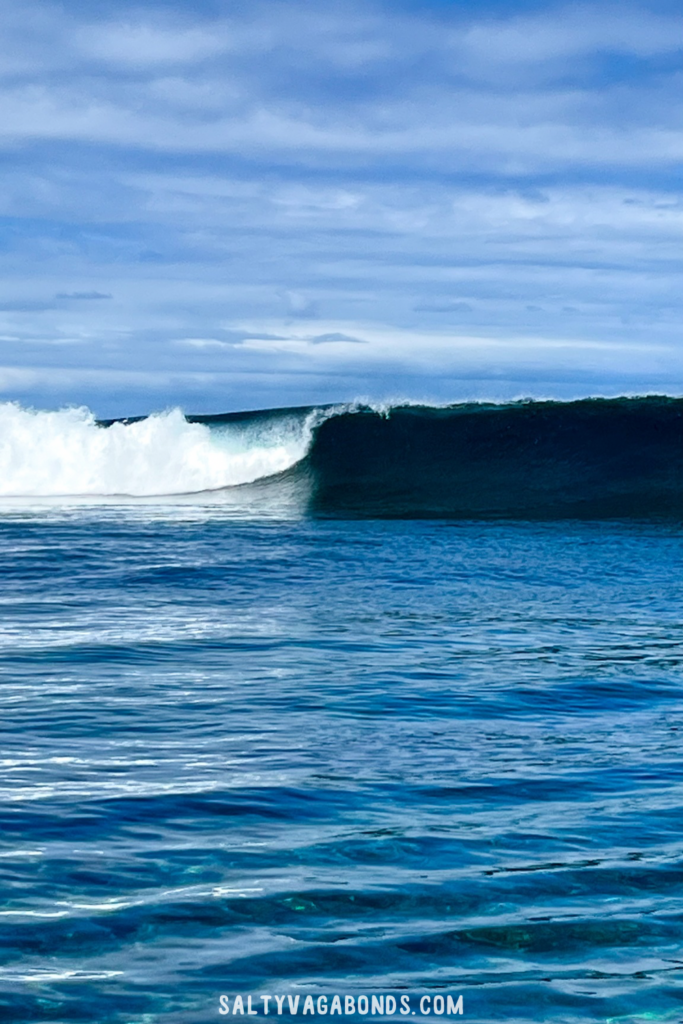
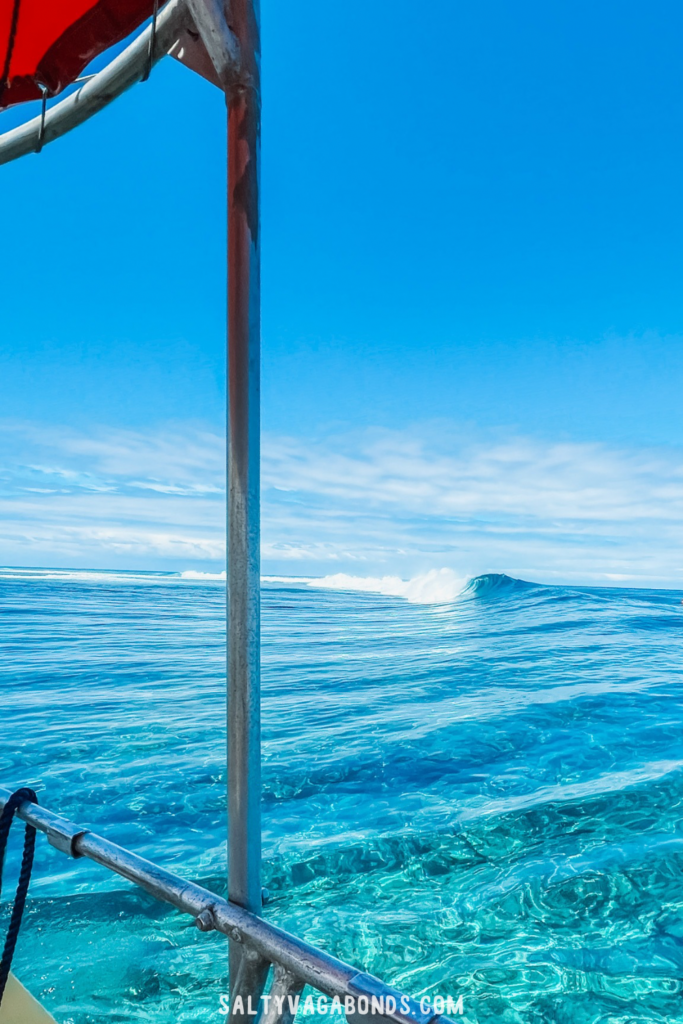
One of the most iconic surf destinations in the world, home to the 2024 Olympic surfing event. But the lagoon on the inside is calm, shallow, and gorgeous.
The deep water outside the lagoon is unreal: 60-foot visibility, giant coral formations (we saw a brain coral the size of a Volkswagen Beetle), and insane clarity.
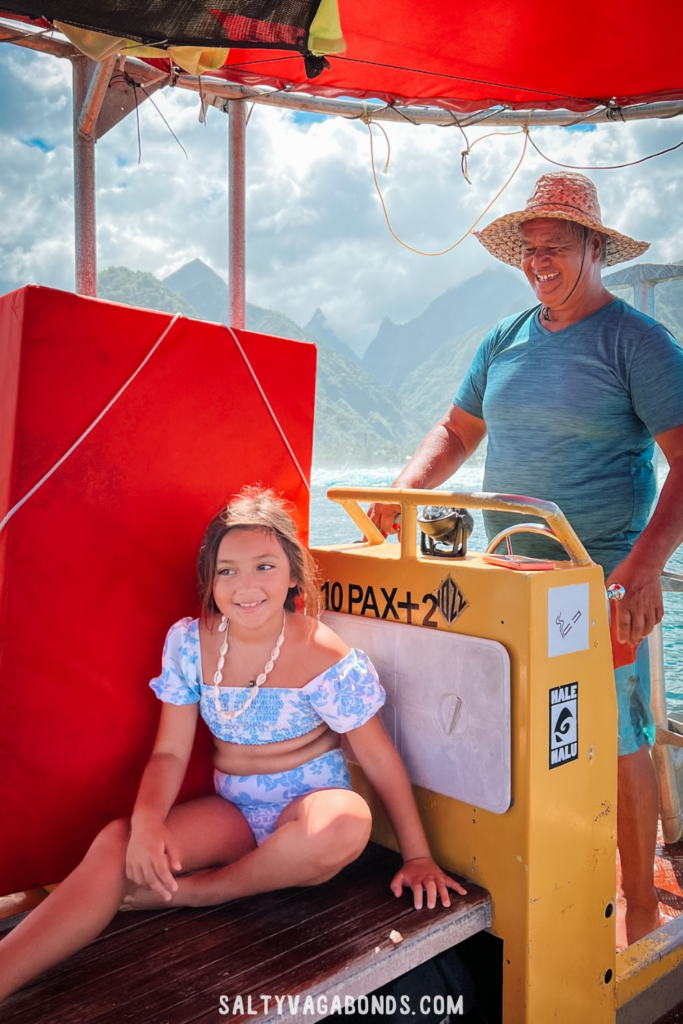
You can reach the deep water by swimming out the channel or by taking Timothée’s Taxi Boat, which we highly recommend. Do not attempt to cross the reef or whitewater, always follow the safe channel.
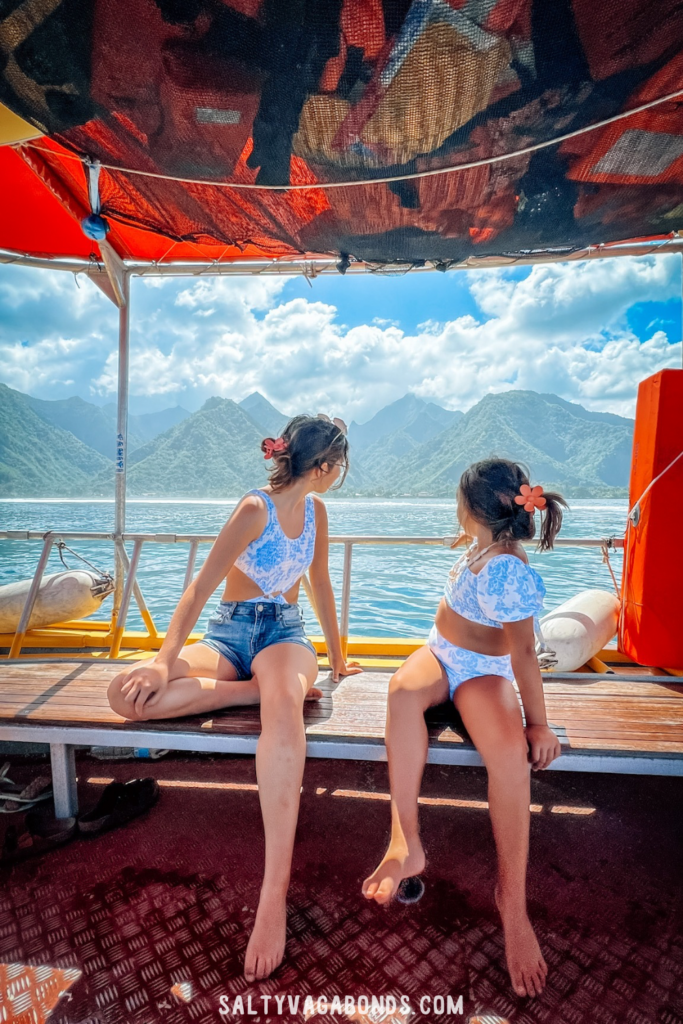
Day Trips for Even Better Snorkeling: Moorea (Ferry From Tahiti: 30 Minutes)
Moorea is one of the easiest and most rewarding day trips from Tahiti. If your family wants next-level lagoon trips filled with coral gardens, sharks, rays, and clear water, these spots are perfect:
Coral Garden Tiahura
A famous drift-snorkel between Motu Tiahura and Motu Fareone. Super shallow, bright coral, tons of fish, and one of the best snorkeling experiences in French Polynesia.
You’ll need to book a boat tour for this spot, I don’t recommend swimming from shore. The current can be strong, and there’s too much boat traffic to make it safe. If you visit Coco Beach for lunch, you can get easier access to the area, but you should still reach it by boat rather than swimming out.
Temae Beach
In front of the Sofitel. Clear water, soft entry, and some of the best visibility Moorea has. We saw a bluefin trevally and spotted rays here, it’s incredible for kids and beginner snorkelers.
Tahiti Snorkeling Tours Worth Booking
With the month we spent on the island of Tahiti, we honestly never felt like we needed to book a snorkeling tour. The magic of Tahiti is that you can enter the water almost anywhere, just be respectful of private land and look for safe public access points.
Because so many spots have shallow, calm lagoons and easy entry, families can snorkel right from the beach without needing a boat. For that reason, we don’t have a personal recommendation for Tahiti snorkeling tours, but we did book two incredible tours on Moorea, and both were 100% worth it.
Albert’s Transport Lagoon Tour (Moorea)
If you want a classic French Polynesia lagoon day, Albert’s is amazing.
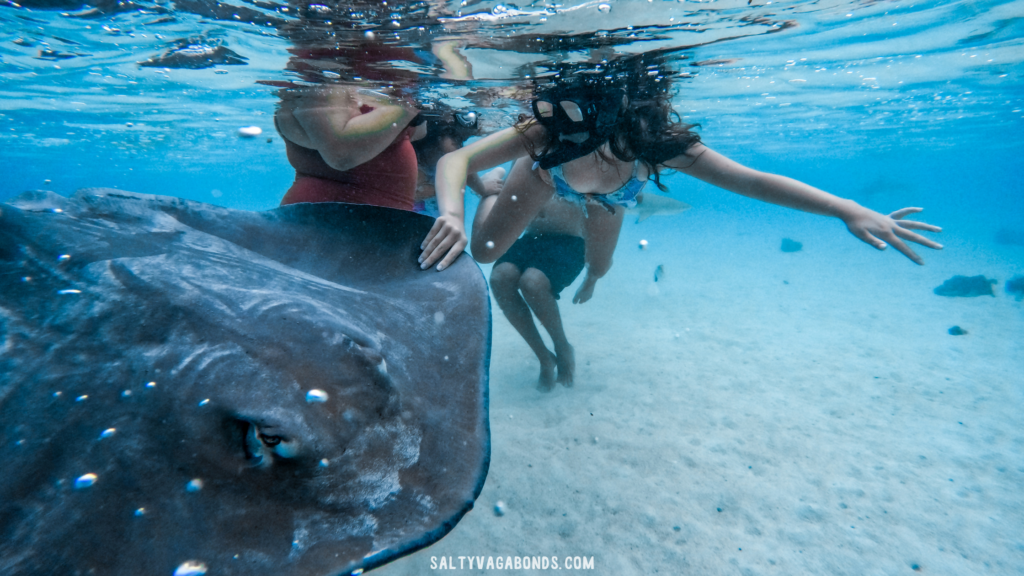
Their half-day tour takes you to:
- The Shark + Ray Lagoon to swim with stingrays and blacktip reef sharks
- Their private motu for lunch + snorkeling
- Coral Garden Tiahura for a drift snorkel
If you take the first ferry from Tahiti in the morning and book this tour, you’ll have an unforgettable day on Moorea.
Private Family Snorkel Charter: Moorea Ocean Tours
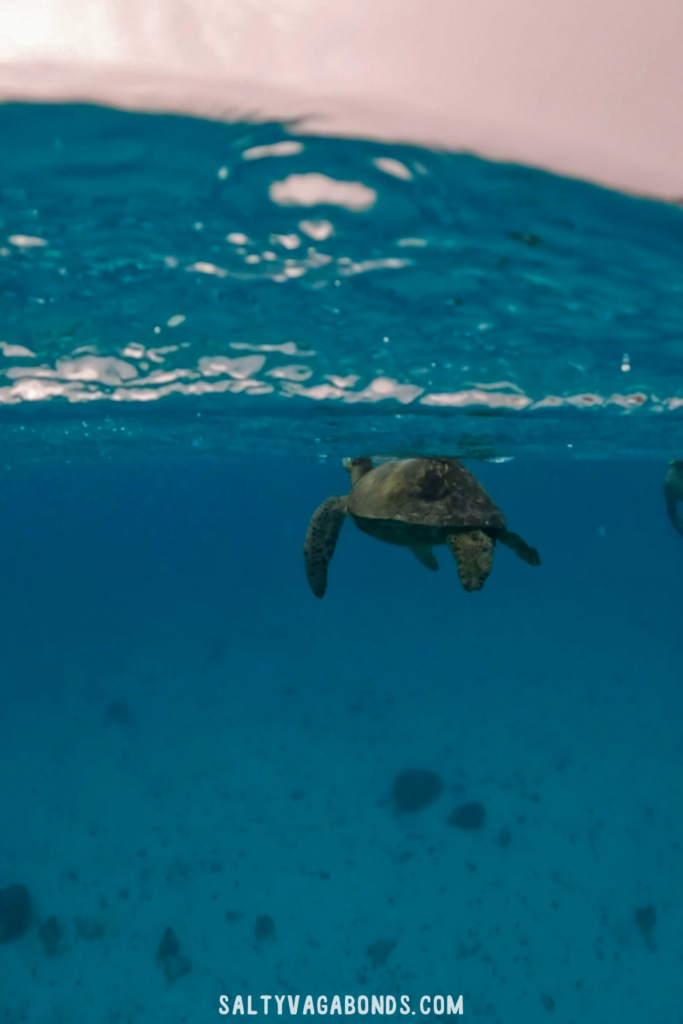
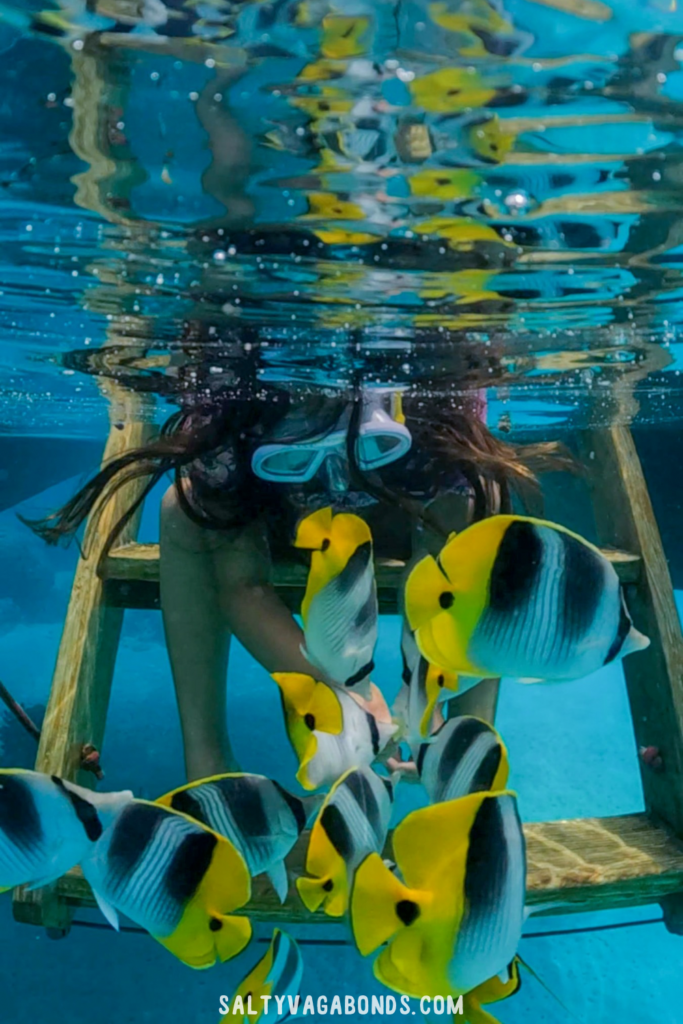
We booked this tour specifically because Amanda wanted beautiful photos and a relaxed, private vibe, and it was perfect.
We swam with sea turtles at sunrise, visited the shark and ray lagoon, and ended with a deep-water swim in some of the clearest water in French Polynesia. The entire morning was incredible, and we highly recommend this charter for families who want something personalized.
Do Tahiti Snorkeling Tours Exist? Yes, Here’s One Worth Knowing About
Even though we didn’t book anything on Tahiti, there are tour operators who take guests to a spot called The Aquarium, located at the end of the Fa’a’ā International Airport runway.
The site includes:
- a sunken airplane
- a sunken boat
- coral formations
- protected lagoon water across the deep channel
If you want a guided snorkel with guaranteed structure and plenty of fish, this is the main spot most Tahiti tours visit. And honestly, the easiest way to find a solid tour operator is to ask the people around you.
If you’re staying at a hotel, check with the front desk. If you’re in an Airbnb, ask your host or even local friends you’ve made along the way. Anyone who lives or works on the island can quickly point you in the right direction.
What to Expect When Snorkeling in Tahiti
Water Conditions + Seasons
If you’ve snorkeled in a lot of places, you already know that water conditions are everything. Visibility, sunlight, and water temperature can make the difference between an okay day and an unforgettable one. I’ve been in spots, like Hawaii, where a turtle was 20 feet away and I couldn’t even see it. Someone else pointed it out, and I missed the moment entirely.
As a meteorologist and someone who loves snorkeling and spearfishing, safety and awareness are huge for me. I recommend learning where to check tide charts, current trends, and swell forecasts. Currents aren’t always created by tidal flow, sometimes they’re caused by swell direction, wind speed, or even how water moves through the barrier reef.
The ocean is beautiful, but understanding the environment you’re entering is one of the best ways to stay safe and have the best experience possible.
Tahiti Snorkel Seasons
Tahiti has both a dry and wet season, but the water temperature barely changes, shifting only about 4 degrees throughout the year.
- Winter (dry season): slightly cooler
- Summer (wet season): slightly warmer
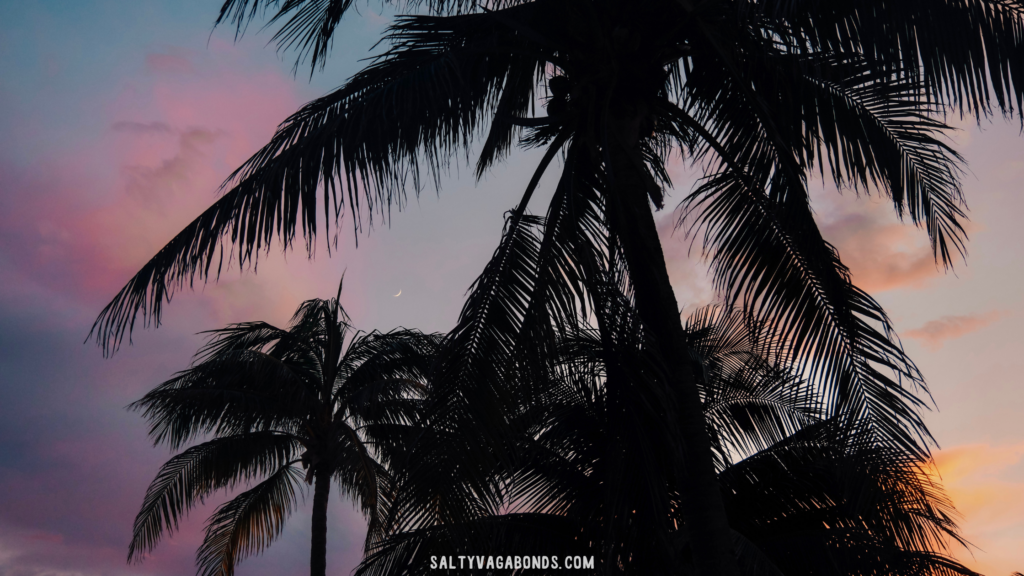
During the rainy season, you may notice silt, mud, or debris near river mouths after heavy rain, especially on the main island of Tahiti. You might even see branches or leaves in the water after storms.
Wind is another factor. In many parts of the world, strong winds cause choppy seas, lower visibility, and cooler water. In Tahiti, conditions are usually calm, but staying aware of weather patterns will help you plan a safe and fun snorkel day.
Whether you love it glassy-smooth and crystal clear, or slightly murky and challenging (my spearfishing people get it), being informed is what makes your day safer and more enjoyable.
Gear to Bring for Kids (Fins, Vests, Reef-Safe Sunscreen)
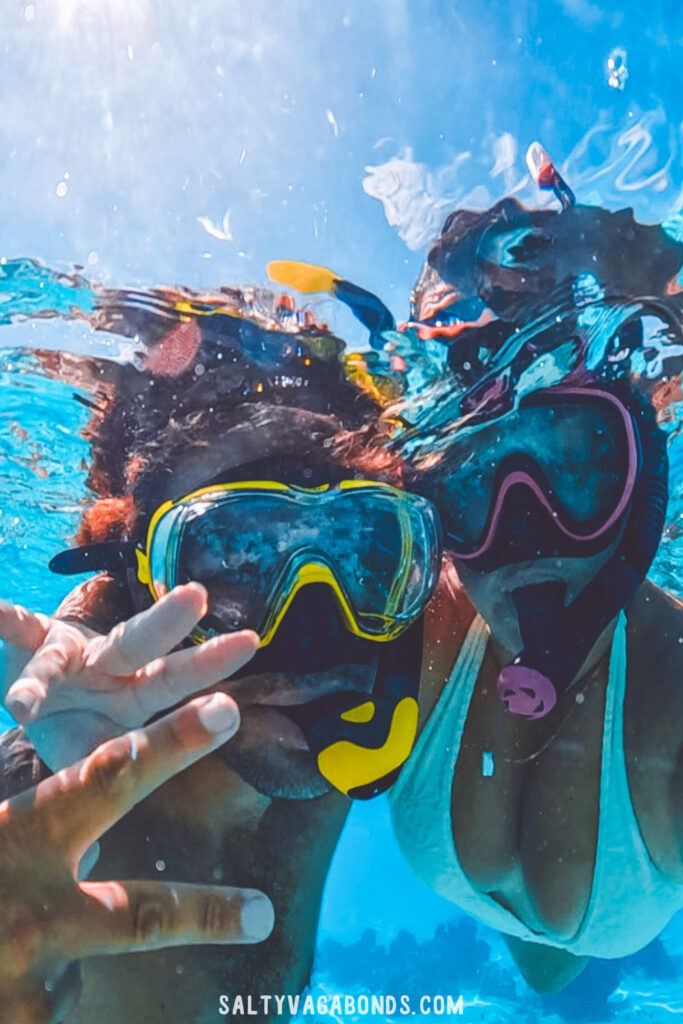
If you’re new to snorkeling, don’t overthink gear. Just get a reputable snorkel set that fits well in a color you like. The most important part is the mask, make sure it seals properly and feels comfortable for long periods.
Fins
Smaller travel fins are perfect for families visiting French Polynesia because they’re easier to pack. I prefer long fins, but hauling them around is a pain.
Snorkel Tubes
Snorkels are super personal:
- I love a basic J-tube (no valves).
- The kids prefer snorkels with purge valves.
- Amanda uses a semi-dry snorkel with a splash guard and purge valve at the mouthpiece.
If you’re new, a J-tube or a semi-dry snorkel is a safe, simple choice.
Avoid Full-Face Snorkel Masks
Skip these completely. There have been multiple safety issues where CO₂ and water builds up inside the mask, and people have died using them. It’s not worth the risk.
Other Gear to Pack
- Sun-protective clothing (the tropical sun is strong year-round).
- Reef-safe sunscreen, avoid chemicals harmful to coral reefs.
- Action camera (GoPro, DJI Osmo, etc.)
- Towel + dry bag
We have a full post on our favorite reef-safe sunscreen brands if you want quick recommendations, click here.
Safety Tips for Families
If you’re snorkeling anywhere near boat traffic, like around mooring fields or deeper channels, you need something to mark your position.
Options include:
- a dive flag
- a floating marker
- an empty jug tied to a rope (locals do this all the time)
Most lagoon areas and public beaches are naturally safe because they’re shallow with no boat access. But anytime you venture out farther, be aware of tour operators, private boats, and water taxis.
Other must-know safety tips
- Apply sunscreen more often than you think. The tropical sun hits different, clouds don’t protect you.
- Bring a tiny first-aid kit. Band-aids, Neosporin, gauze, and vinegar (though note: vinegar is NOT recommended for Portuguese Man-of-War stings).
- Wear protective clothing. Coral is sharp and will cut you fast. Gloves, long sleeves, and rash guards help prevent injuries.
- Respect the reef. Don’t stand on coral; it’s a living animal and extremely fragile.
With a little awareness and the right gear, snorkeling in Tahiti is not only safe, it’s one of the most incredible marine life experiences you can give your family.
Should You Plan a Tahiti Snorkeling Day?
The best way to experience the vibrant marine life in Tahiti is to snorkel right off the beach and explore the coral reefs sitting just a few feet from shore. It’s one of the easiest and most unforgettable ways to immerse yourself in the underwater beauty of the Island of French Polynesia.
Every beach I mentioned above on the main island of Tahiti offers snorkeling, but each spot will give you something different. Some areas are better for seeing manta rays, shellfish, tropical reef fish, or even friendly sea turtles cruising through the lagoon.
We spent countless hours in the water, and every single snorkel gave us something new to see. The variety is wild, no two days looked the same.
But I also want to give a real safety reminder: stay mindful of currents, undertows, and how the water moves near the reef breaks. The tide shifts four times a day, which means the water is constantly moving, and certain spots can get strong currents that surprise even confident swimmers.
Enjoy Tahiti’s incredible underwater world, stay aware of your surroundings, and make safety your top priority. And if you’re planning out the rest of your trip, don’t miss our full guide to the best things to do in Tahiti, it’s packed with beaches, waterfalls, cultural stops, and all the can’t-miss adventures to help round out your itinerary. We also have a Moorea guide here.








Planning
Tips
Destinations
Oceania
North America
Europe
Asia
Bali
Japan
Korea
Malaysia
singapore
Thailand
Vietnam
France
U.K.
Germany
Canada
Mexico
usa
French Polynesia
Micronesia
Hawaii
Guam
Indonesia
All Travel Blogs
Destinations
Planning
Tips
Destinations
Travel Tips
Planning
About us
Hotels
via Booking.com





Car Rental
Book a Bus/Train/Transfer
Find Cheap Flights
Get ESIM or SIM Card
Easy Currency Exchange
Book Tours & Attractions
Get Travel Insurance
via Discover Cars
via Skyscanner
via 12Go
via Wise
via Viator
via Visitors Coverage
via SimOptions
Destinations
Planning
Tips
All Categories
Travel Tips
Worldschooling
Digital Nomad
Travel Hacking
Travel with kids
Lifestyle
Military Travel
Packing
All Travel Tips
Tech
