





saltyvagabonds
Saltyvagabonds
Destinations

Asia
Bali
Japan
Korea
Malaysia
singapore
Thailand
Vietnam
Europe
Germany
France
U.K.
North America
Canada
Mexico
Oceania
Polynesia
Micronesia
Hawaii
Guam
Indonesia
All Travel Blogs
Travel Tips
Planning
About us
usa
Destinations
Travel Tips
Planning
About us
All Categories
Travel Tips
Worldschooling
Digital Nomad
Travel Hacking
Travel with kids
Lifestyle
Military Travel
Packing
All Travel Tips
Tech

Travel Hacking with
Chase Points
Military Space A Flights
Guide









Top 5 Reasons to Choose a Tahiti Vacation Over Hawaii
Tahiti vs Hawaii — Which tropical paradise fits your family best? We’ve visited both and break down the differences in vibe, nature, crowds, and cost to help you plan the perfect island escape. Spoiler: one feels like a dream, the other feels like home.

If you click on links we provide, we may receive compensation.


Tahiti vs Hawaii: Which Paradise Fits You Best?
Sailing Across the Pacific to Tahiti
When the opportunity came up to sail across the Pacific Ocean, Addy and I jumped on it. It was one of those once-in-a-lifetime chances to check off an ocean crossing and do a little research for our future dream: a full sailing catamaran adventure. We spent 31 days at sea and arrived in the stunning Marquesas Islands, specifically Nuku Hiva.
(If you’re curious about the journey, Addy actually wrote and published her own book about the experience, click here.)
Why We Wanted to Compare Tahiti and Hawaii?
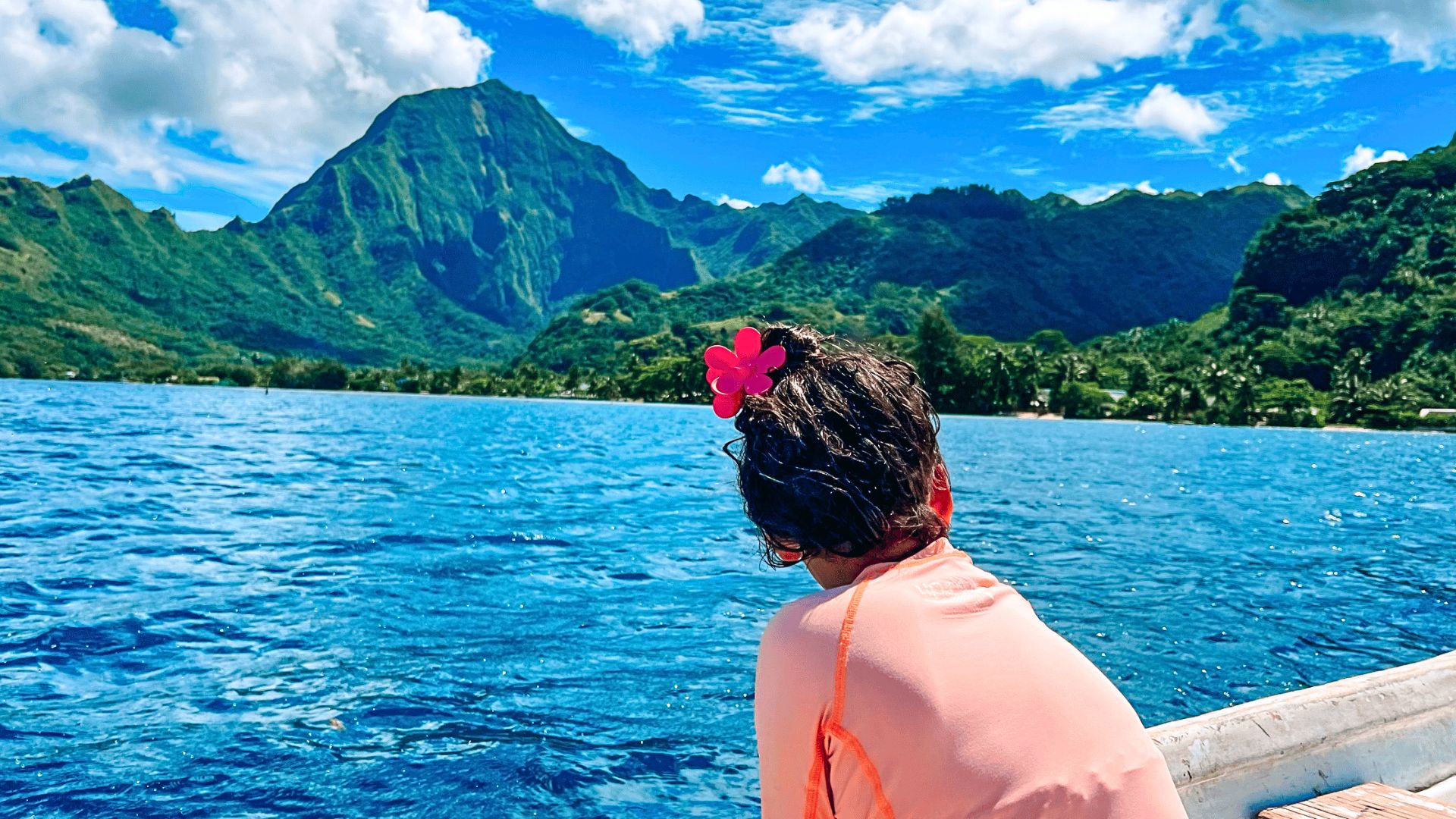
We’ve also spent quite a bit of time in Hawaii over the years, and visiting the tropical islands of French Polynesia, like Tahiti and Moorea, had been high on our bucket list for a long time. When we finally made it happen, we spent two full months exploring those slower-paced islands, and wow… the vibe was very different from what we’re used to in Hawaii.
What Both Islands Have in Common?
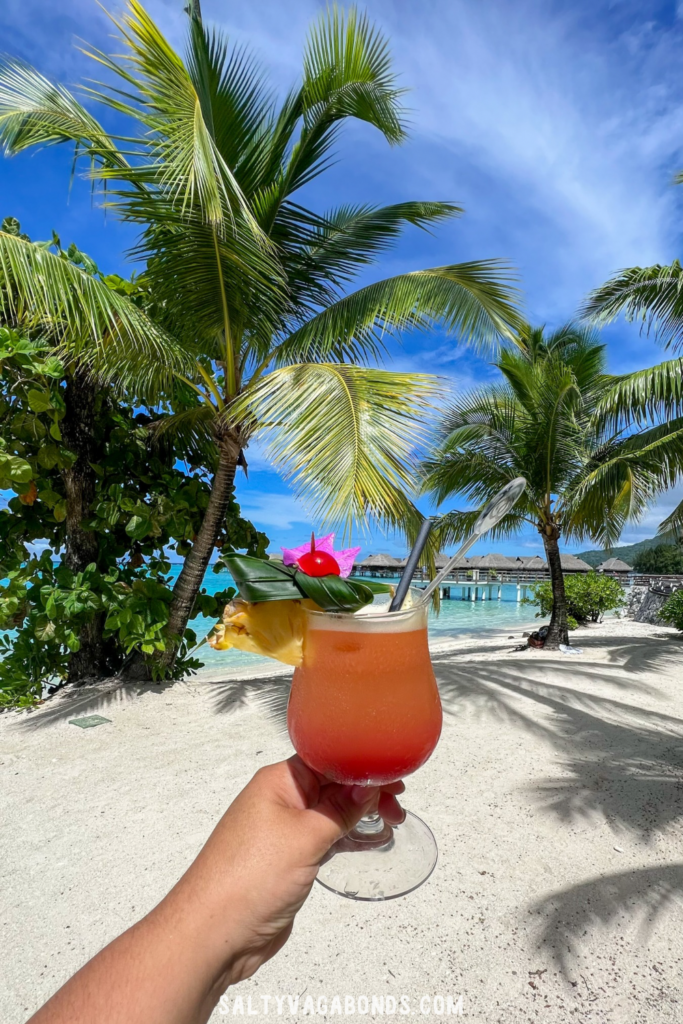
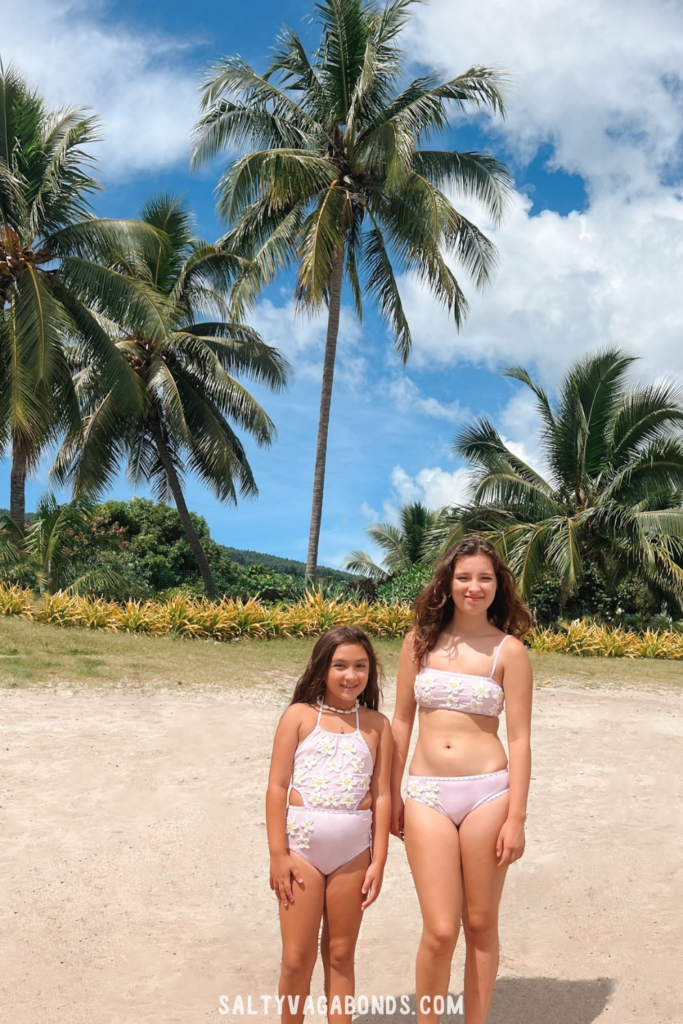
Both Tahiti and Hawaii offer warm weather year-round, lush landscapes, and beaches that will spoil you for life. You can pack light, think swimsuits, flowy tops, and sandals, and spend your days sipping flower-garnished cocktails under swaying palms. But while they both deliver tropical beauty, the experience on each island chain couldn’t feel more different.
How the Vibes Differ: Island Energy Compared
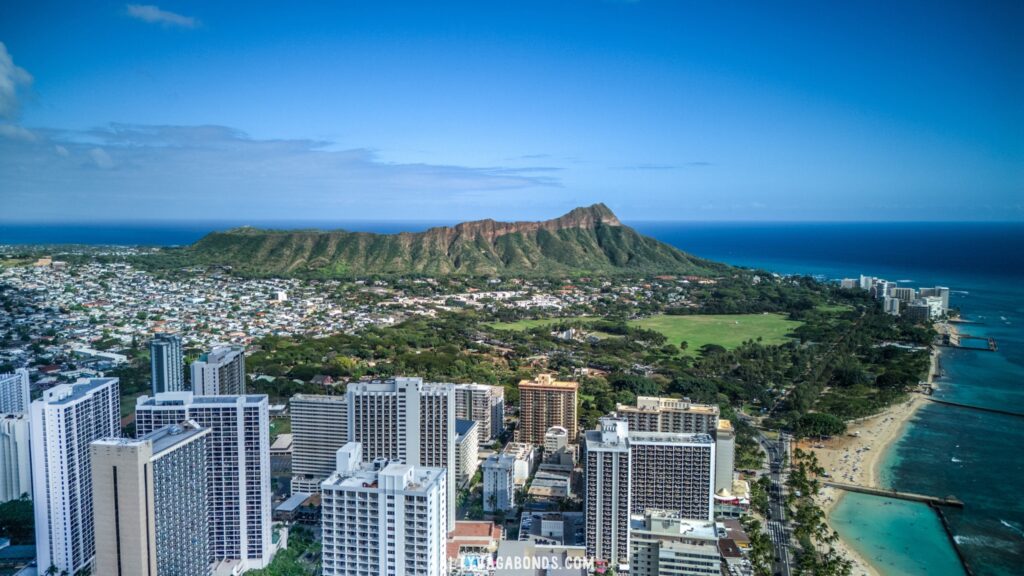
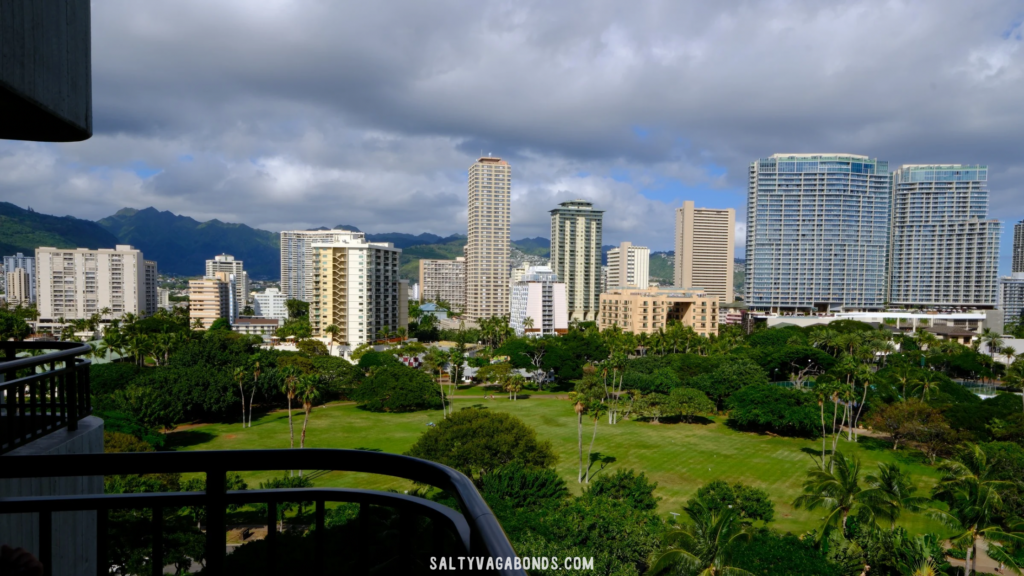
Hawaii is more developed and fast-paced in comparison. You’ll see more chain restaurants, high-rise resorts, and commercial zones, especially on Oʻahu. That doesn’t mean it’s not beautiful (it definitely is), but you’ll notice the infrastructure has a more Westernized feel.
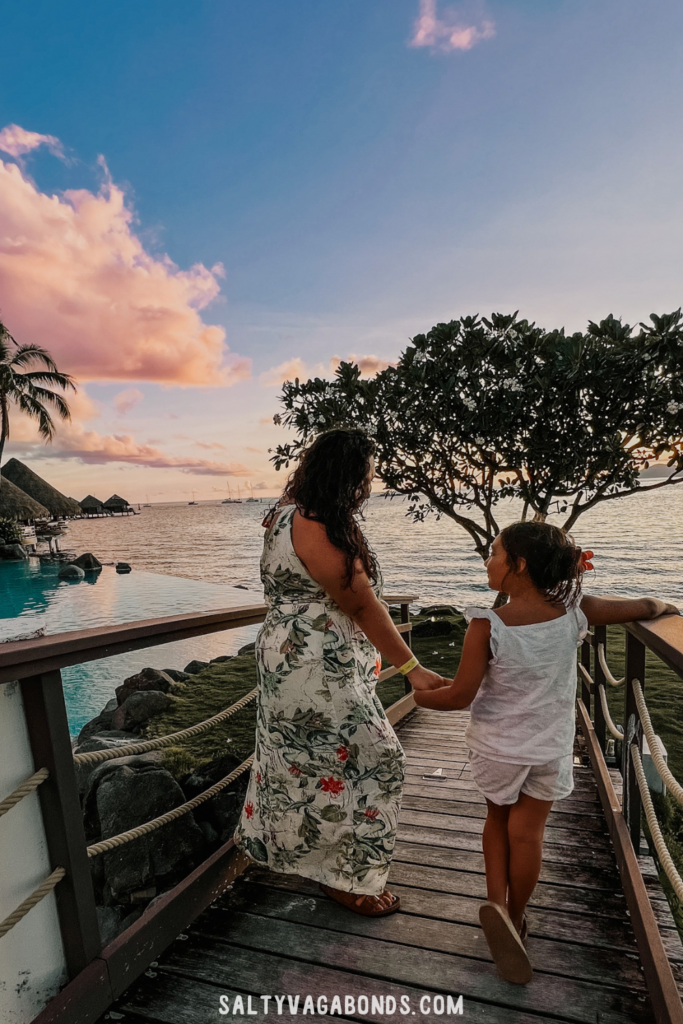
Tahiti and Moorea, on the other hand, move at island time. The energy is softer, more welcoming, and far more rural. You’re likely to find roadside fruit stands, simple open-air eateries, and kind locals who wave at every car that passes by. It felt like stepping back in time in the best possible way.
Our Firsthand Take After Living in Both
A lot of travelers (even on Reddit or travel blogs like Beat of Hawaii) compare Tahiti and Hawaii, but not many share insights from actually living in both places. We’ve spent months in Hawaii and two immersive months across Tahiti and Moorea. So if you’re wondering which one is better for your next trip, or your family’s next big adventure, we’re diving into the real differences that matter.
Cost Comparison: Is Tahiti Cheaper Than Hawaii?
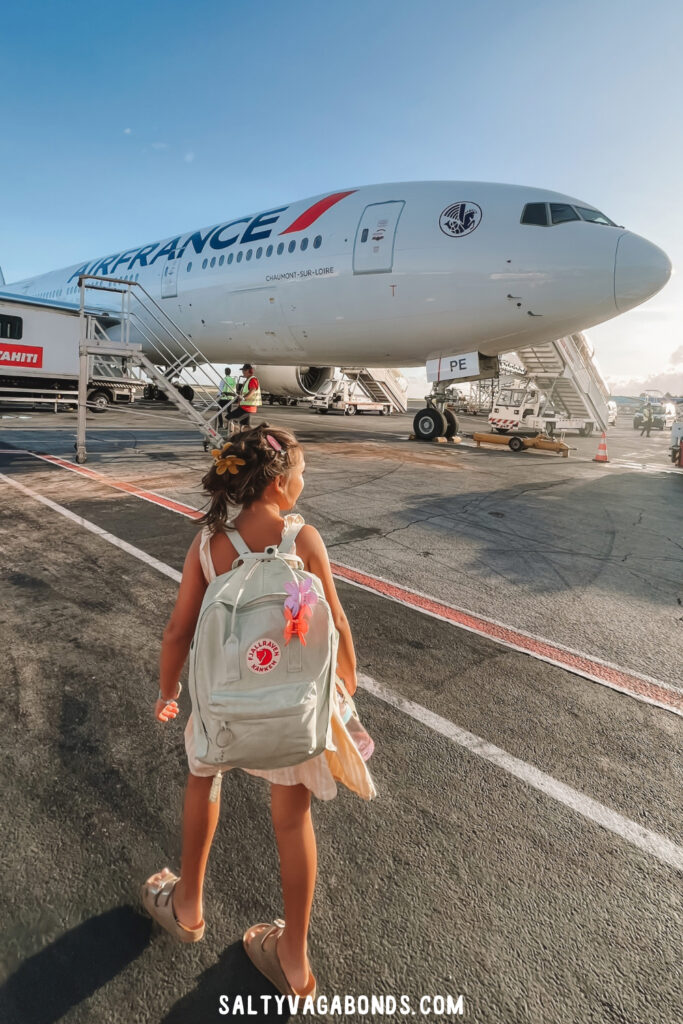
Getting to French Polynesia is a bit of an adventure depending on where you live, and how you want to get there. Sure, you could sail across the Pacific like we did (31 days at sea, landing in Nuku Hiva!), but for most people, a plane ticket is the move. Cruises are also an option, but flights are the fastest and most practical.
Airfare Costs
Since Addy and I arrived by sailboat, our transportation expenses were… well, a little non-traditional. Amanda and Audrey flew ahead of us and scored a great deal on flights to Tahiti. They booked during a pricing dip and used Delta SkyMiles, so their one-way flights were essentially free.
The return trip for our whole family to Los Angeles (LAX) cost about $800 USD per person. Flights to Tahiti can vary widely in price, but round-trip fares typically range between $800–$1,200 if you’re booking within the next couple of months.
During rainy/hurricane season (January to April), deals can drop as low as $650–$700 round trip. Be sure to check French Bee and Air France for promo fares, and if you’ve got points, this is a great destination to cash them in.
In general, Hawaii is cheaper to reach, especially from the U.S., since the flights are shorter and more frequent.
Hotel and Airbnb Costs
Here’s where Tahiti really surprised us.
We did French Polynesia on a budget and still had a fantastic time. Amanda booked an Airbnb in Tahiti just one block from the beach, with private beach access, for only $1,300 USD for 28 nights (monthly discounts on Airbnb are clutch).
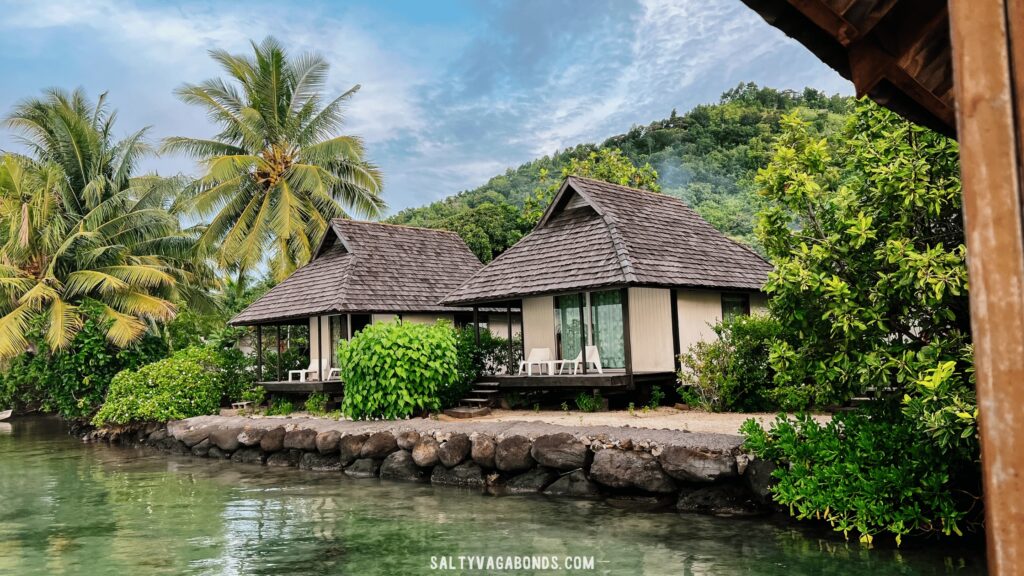
In Moorea, we found similarly dreamy spots at budget-friendly rates:
- A lagoon-front bungalow just one mile from the ferry dock: $120 USD/night
- A hillside bungalow near Coco Beach’s water taxi pickup: $160 USD/night
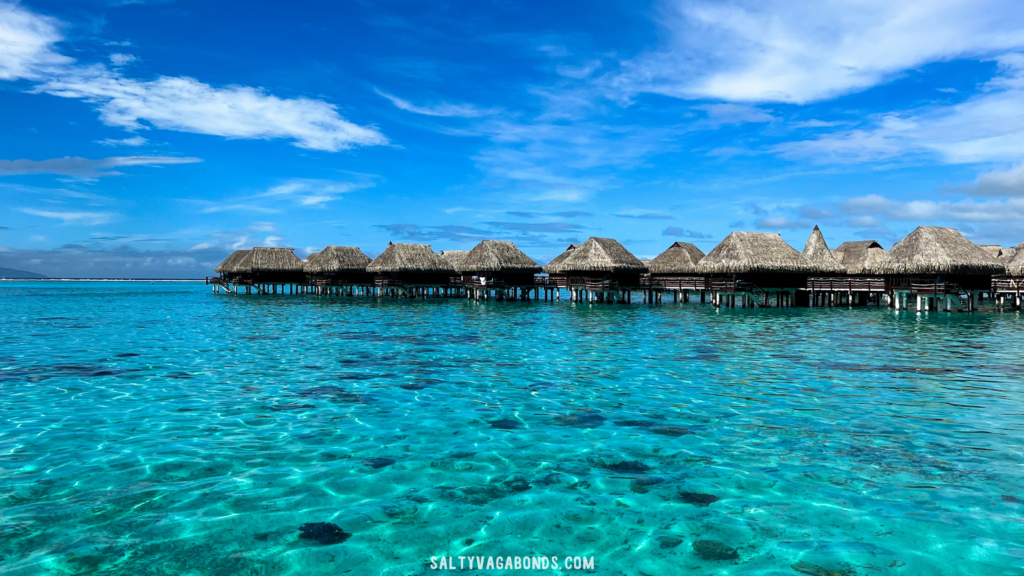
Both had hardwood interiors and epic views. We didn’t splurge on resorts, which can be just as pricey as in Hawaii, think $1,000+ per night for overwater bungalows and $380+ for garden-view rooms.
According to Beat of Hawaii, the average nightly rate on Oʻahu is $284 USD, and that doesn’t include the rising taxes. In contrast, we found it easier to stay within budget in Tahiti thanks to long-stay Airbnb discounts and overall lower off-season pricing.
Dining and Excursion Costs
We cooked most of our meals, but still ventured out to enjoy local dining. A huge win? Some grocery staples like pasta, sauce, baguettes, and tuna are subsidized in Tahiti. Look for the red labels at the store, they signal discounted prices.
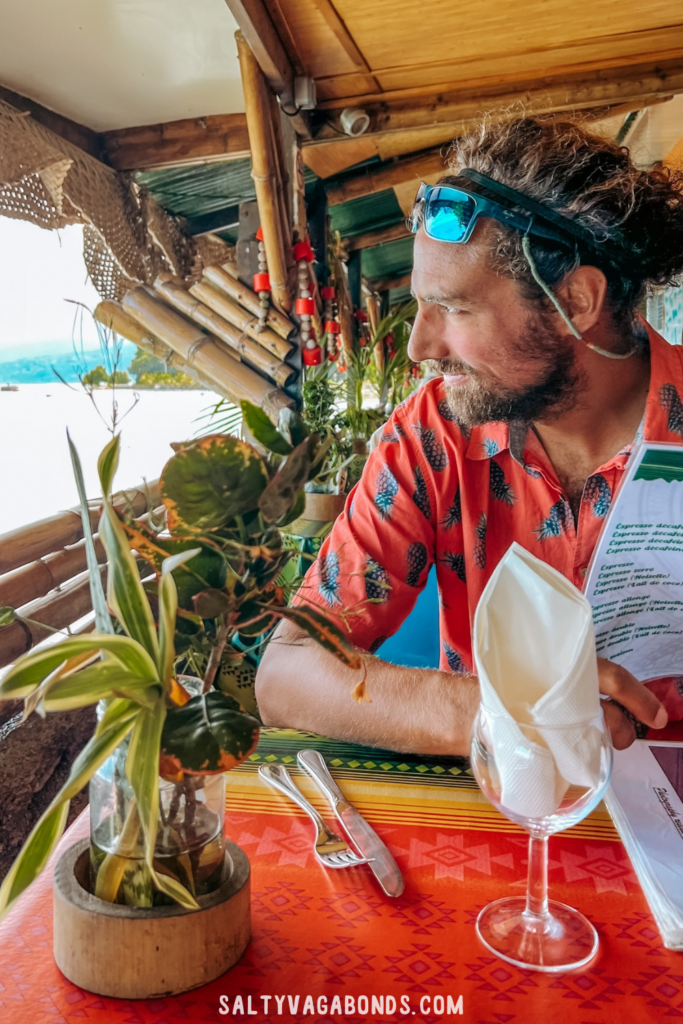
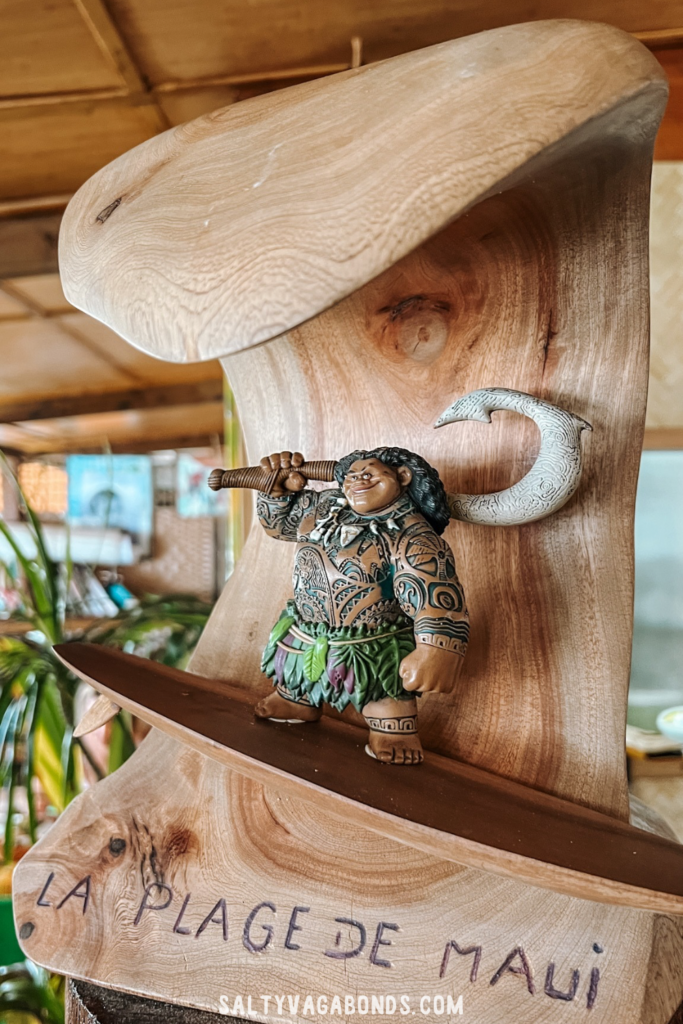
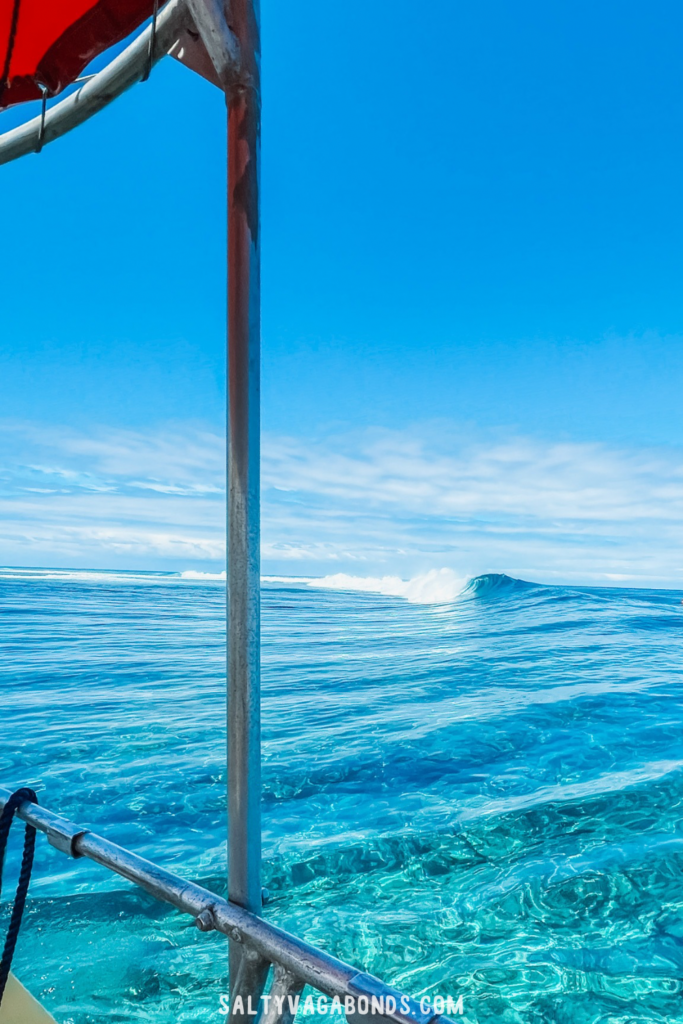
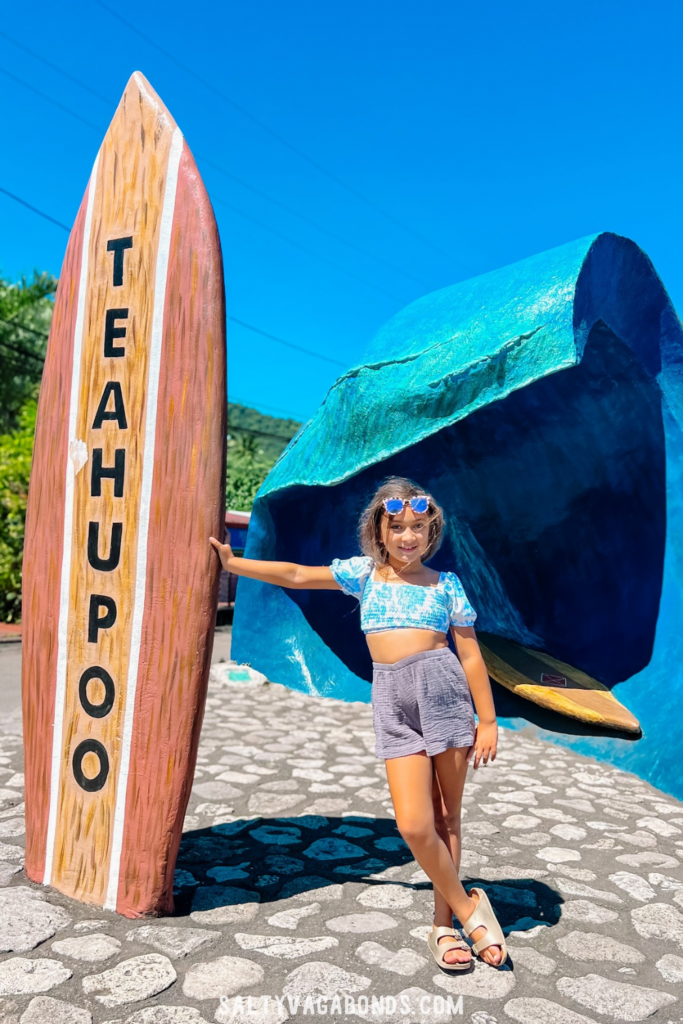
When we ate out (like at La Plage de Maui), the prices were comparable to casual dining in Hawaii. No shocking bills. A 500 ml bottle of Hinano beer ran us about $7.13 USD, which felt pretty on par with what we’d expect in Waikiki.
Excursion-wise, we mostly did our own exploring by car:
- Waterfalls, blowholes, and beaches? All free.
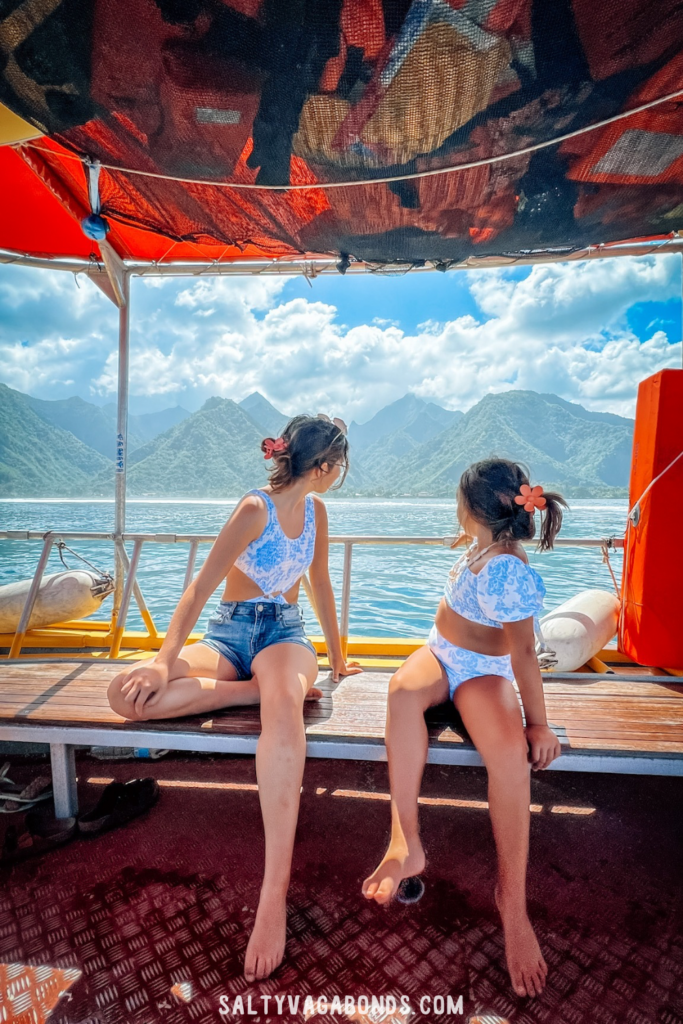
- A water taxi to see the famous Teahupoʻo wave? Under $100 USD
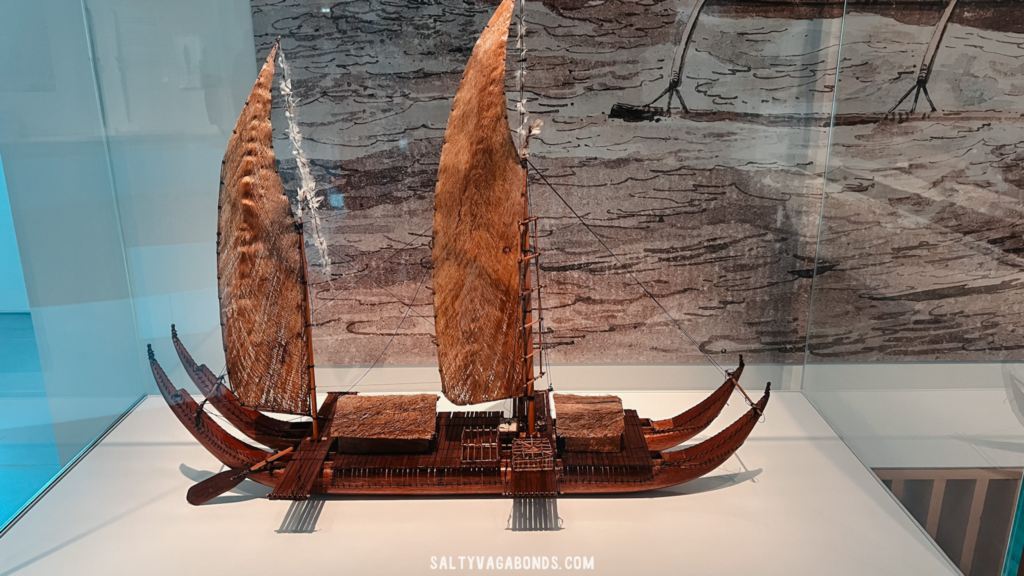
- The Museum of Tahiti and the Islands? Free for kids, around $10 USD for adults
So… Is Tahiti Cheaper Than Hawaii?
It’s close, but here’s how we see it:
- Flights to Hawaii are usually cheaper
- Lodging in Tahiti is easier to find for less (especially beachfront)
- Groceries can be cheaper in Tahiti, especially with kitchen access
- Dining + excursions are about the same
So is Tahiti cheaper than Hawaii overall? It depends on your travel style. If you’re flying from the West Coast and doing quick trips, Hawaii might win. But if you’re booking longer stays, using Airbnb discounts, and cooking meals, Tahiti might offer the better value.
And if you’re wondering is Tahiti more expensive than Hawaii for luxury resorts? Yes, the iconic overwater bungalows in French Polynesia are often $1,000+ per night, similar to or higher than Hawaiʻi’s top resorts.
But you don’t have to travel that way. For families and long-term travelers like us, Tahiti felt easier to budget and honestly, the vibe made it worth every penny.
So when it comes to Tahiti vs Hawaii, our vote (for both value and vibes) goes to Tahiti.
Size and Accessibility: Distance & Travel Time
Let’s paint a quick picture: Tahiti, located in the country of French Polynesia, is much smaller and less populated than Oʻahu. While Oʻahu is home to nearly 990,000 people, Tahiti has a population of just 191,000. You can drive around the entire island in about 2.5 hours, a little longer if you explore the smaller peninsula known as Tahiti Iti. The moment you arrive, it feels quieter, more rustic, and way less commercial than Hawaii.
Flights, Distance, and Travel Time
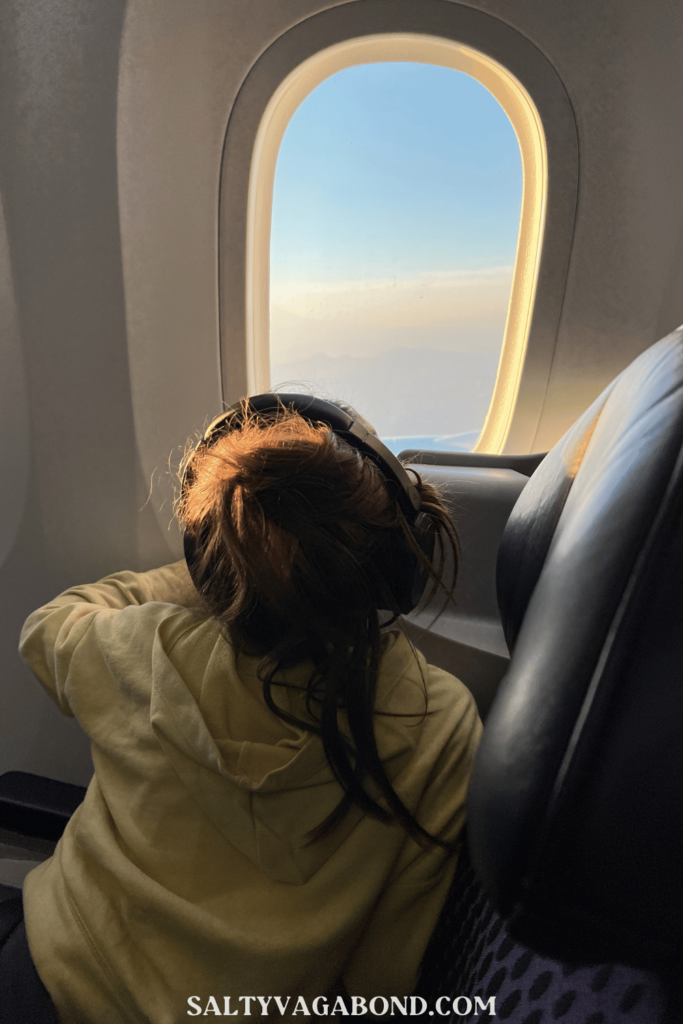
Flying to Tahiti isn’t wildly different from flying to Hawaii, but there are a few key things to know, especially if you’re coming from the mainland U.S.
To get to Tahiti, you’ll need to fly into Papeete (PPT). There are direct flights from LAX, SFO, and SEA, but you’ll usually go through international departures, which can mean switching terminals and going through security again, unlike flights to Hawaii which are considered domestic.

Here’s a quick breakdown of flight distances:
- San Diego to Tahiti: ~4,000 miles
- LAX to Tahiti: ~4,100 miles
- LAX to Hawaii (HNL): ~2,700 miles
- SFO to Hawaii: ~2,300 miles (shortest option)
Flight times to Tahiti are around 8+ hours, while flights to Hawaii are usually 4–6 hours depending on where you’re flying from.
One major perk of flying to Hawaii? Flight availability. Hawaii has over 150 flights daily from the mainland, so there’s a ton of flexibility when booking. Tahiti, on the other hand, only sees about 4 flights per day from the U.S., so you’ll need to plan ahead and stay flexible.
Island Hopping: Hawaii vs. French Polynesia
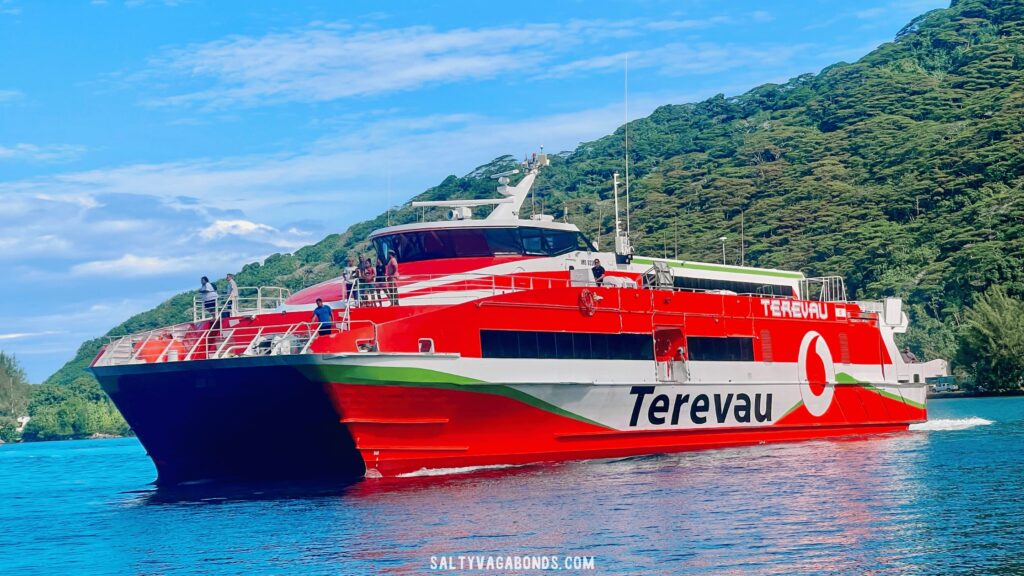
Getting between islands is another area where these two destinations really differ.
In Hawaii, island hopping is simple. Book a quick flight with Hawaiian Airlines or Southwest, and you’re off. There are hundreds of inter-island flights daily, making it super easy to bounce between Oʻahu, Maui, the Big Island, and more.
In French Polynesia, island hopping is a bit more of an adventure. Your two main options are:
- Ferries — Perfect for short trips like Tahiti to Moorea (only about 30–45 minutes by boat).
- Flights with Air Tahiti — Best for longer distances like Bora Bora, Rangiroa, or Fakarava. The flights are quick, scenic, and honestly… totally worth it for those lagoon views from the sky.
While hopping around French Polynesia takes more effort and planning, it feels more like a journey, each stop adds to the magic of the trip.
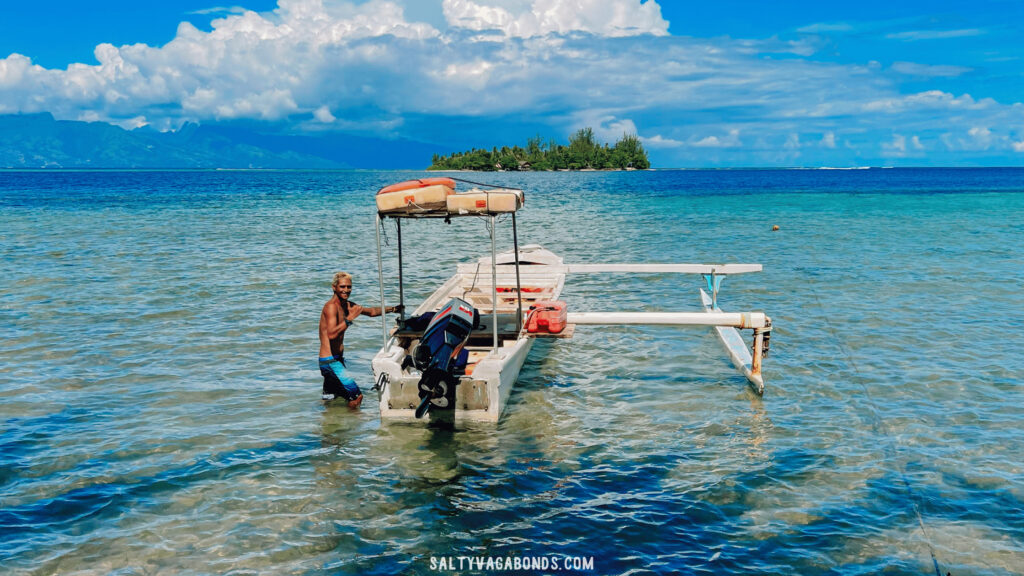
Scenery and Nature: French Polynesia vs. Hawaii
Comparing Hawaii and French Polynesia kind of feels like comparing apples and oranges. Sure, they both give tropical island vibes, but the landscapes and ecosystems hit totally different.
Hawaii is incredibly diverse, it actually has 11 climate zones across the islands. From lush rainforests and misty volcano peaks to sunny dry coastlines and even snowy mountain tops (yes, really), you can experience it all in one trip.
French Polynesia, on the other hand, keeps things simpler with just two seasons: dry and wet. But don’t let that fool you, it’s still ridiculously beautiful, with vibrant marine life and mountain views that don’t even feel real.

When we arrived in Nuku Hiva by sailboat after crossing the Pacific, one of the first things we noticed was how different it felt from Hawaii. French Polynesia is consistently warm and humid, while Hawaii varies a lot more depending on where you are.
The windward sides of islands like the Big Island (think Hilo) are wet and cooler, while the leeward sides like Kona are sunny and dry. Tahiti and Moorea don’t really have that split, what you see is what you get, and it’s usually warm, humid, and lush.
Best Outdoor Experiences
If you’re into water sports, snorkeling, diving, surfing, free diving, or just floating around in a lagoon all day, French Polynesia wins. Hands down.
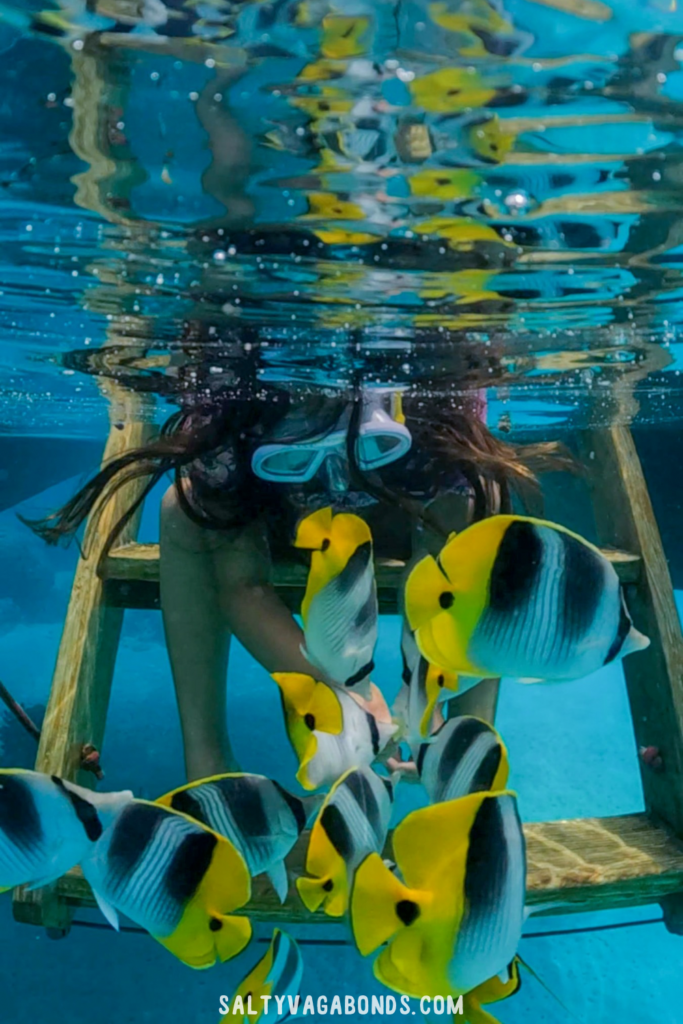
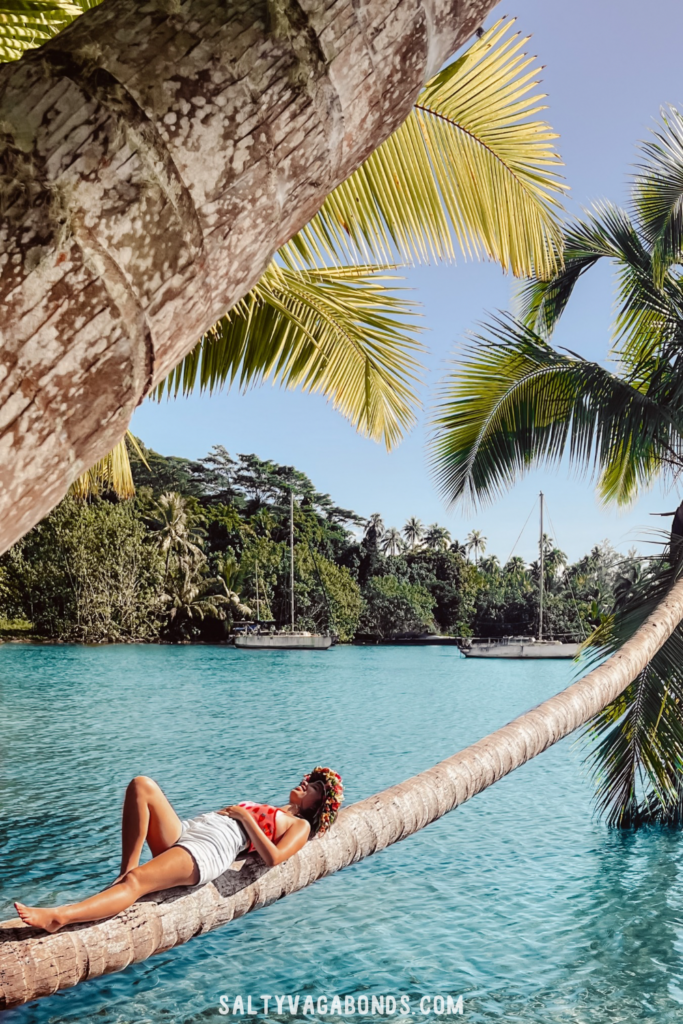
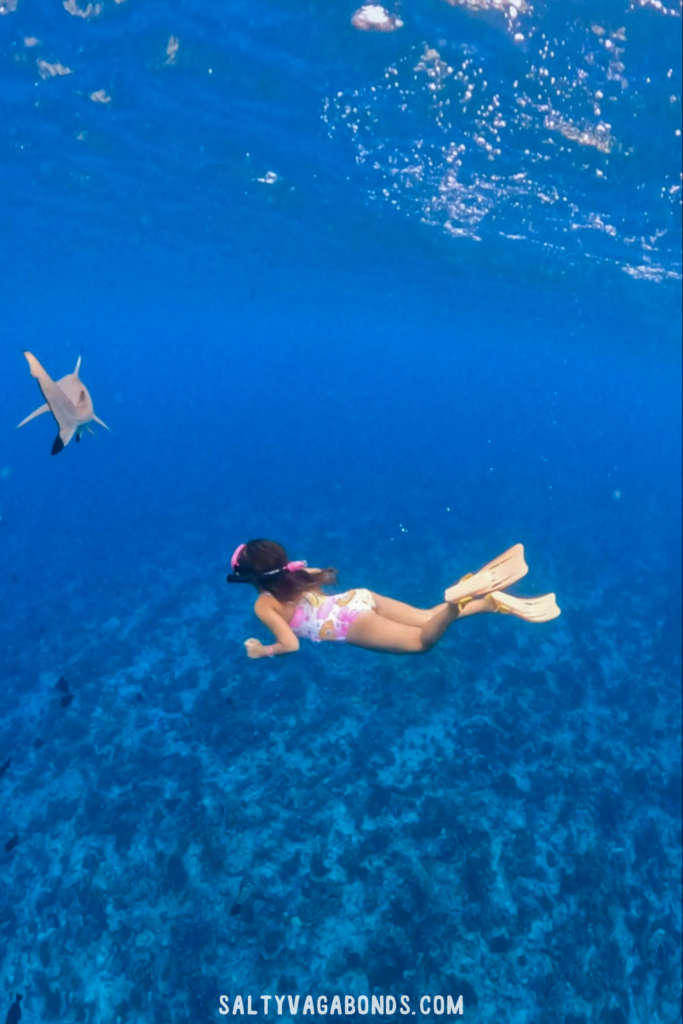
We were constantly in the water in Tahiti and Moorea. The marine life is wild, like, fish we’ve only ever seen in aquariums were just hanging out near the shore. One of our favorite memories was swimming with sea turtles on Moorea… but that was a private snorkel tour.
Now don’t get us wrong, Hawaii is amazing too. We’ve seen monk seals lounging by Disney Aulani, snorkeled with turtles in Waikiki, hiked to unreal waterfalls, and watched epic sunsets.

But access to nature often comes with a price tag, many trails and beaches now charge entrance fees or require permits. In Tahiti and Moorea, most natural spots are still free or low-cost, which honestly makes a huge difference for families trying to stay on budget.
Culture and Atmosphere: Hawaii vs French Polynesia
Leis and Flower Crowns
We love diving into the culture wherever we go, and over the past few years we’ve been soaking up as much as we can. We’ve done lei-making workshops, hula dance lessons, and luaus in Hawaii… but to be totally honest, it just doesn’t compare to what we experienced in Tahiti and Moorea.
Hawaii feels like a mix of the U.S. with tropical vibes, it’s heavily commercialized and things like leis often come from vending machines or tourist shops. You lose that connection to the tradition or the person behind it.
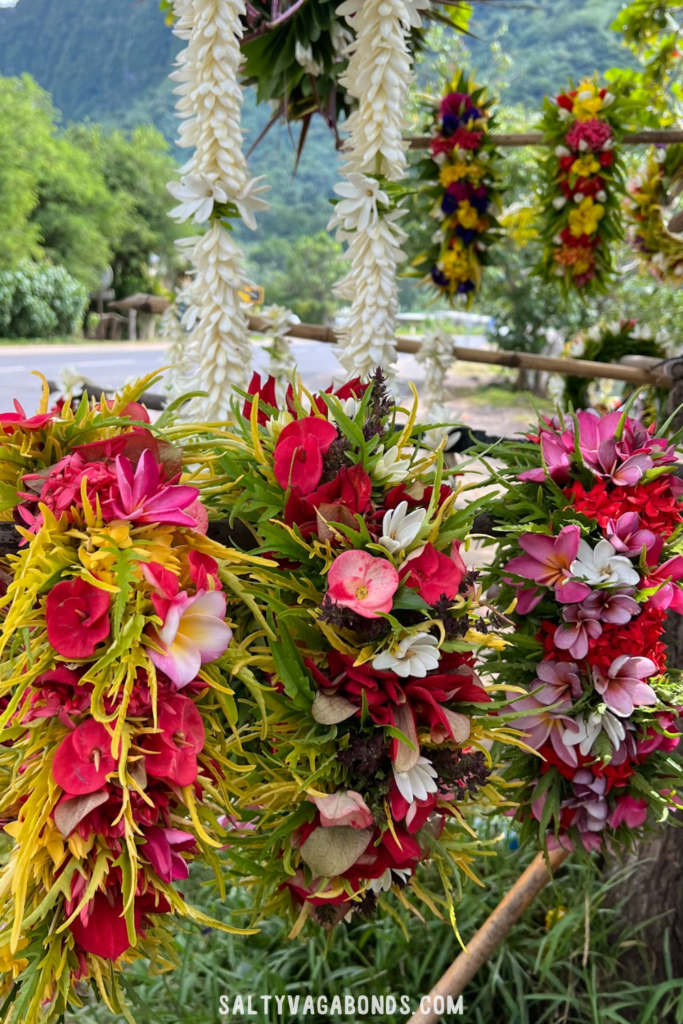
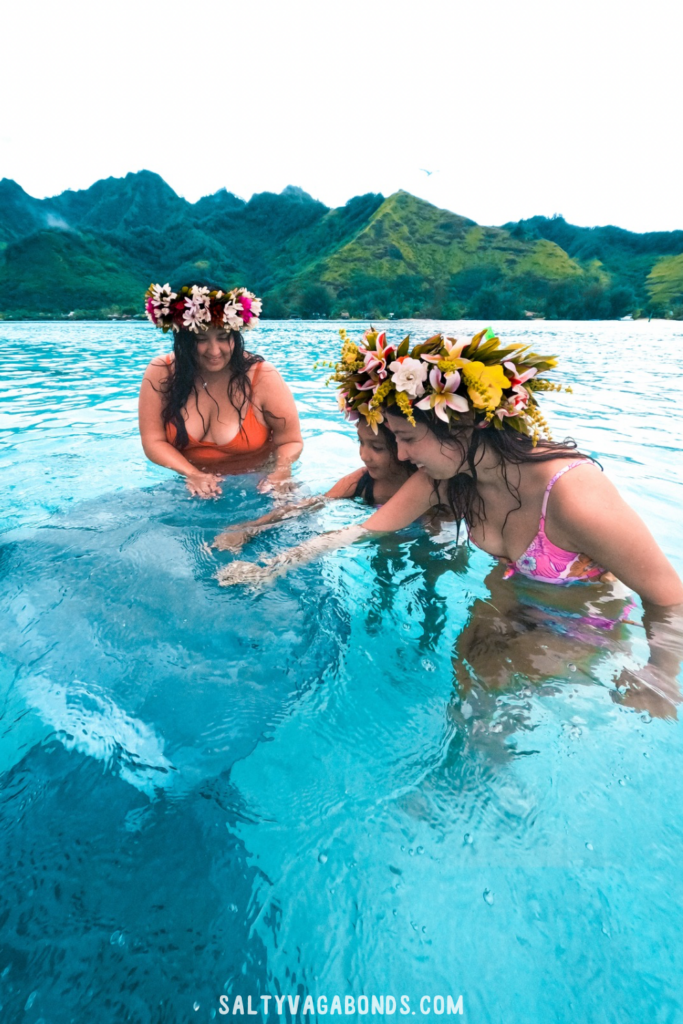
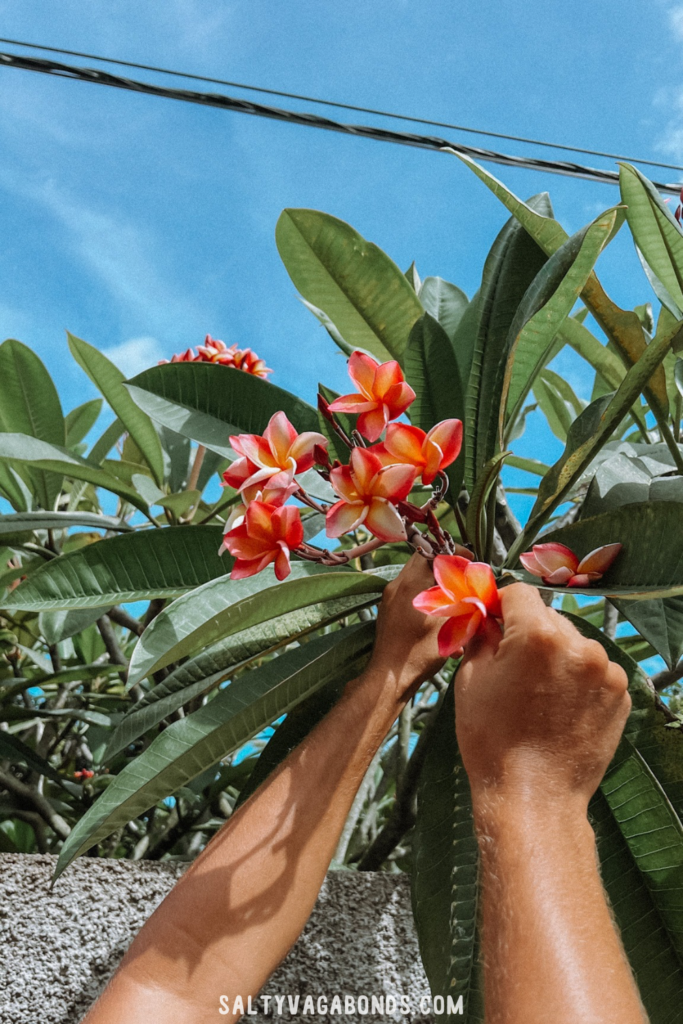
In contrast, in French Polynesia, flower crowns and leis are made by hand, and you usually buy them directly from the women who created them. The experience feels personal.
Amanda even did a flower-making class while we were there, and it’s something you can easily do during your trip too. Everyone was so warm and welcoming, it made the whole thing even more special.
Luaus vs Tama‘ara‘a
Luaus in Hawaii are everywhere, but many feel like a polished show designed for tourists. You’re often paying $100+ per person for a buffet of okay food and a performance that, while beautiful, sometimes feels like a job, not a celebration.

Meanwhile in French Polynesia, we went to a tama‘ara‘a (traditional Polynesian feast) at Tama Hau in Opunohu’s Bay. There was live music, dancing, even fire performers, all included in the meal, with no extra ticket price.
It didn’t feel scripted or forced. It felt alive and raw. The dancers were right next to us, and you could feel the heat from the fire, literally. The whole night just felt more soulful and connected to the community.
Cuisine and Food
In Hawaii, the food scene is diverse. You can get everything from Spam musubi to Alaskan crab legs, Mexican food, burgers, sushi, you name it. And everything stays open late, so there’s always something available.
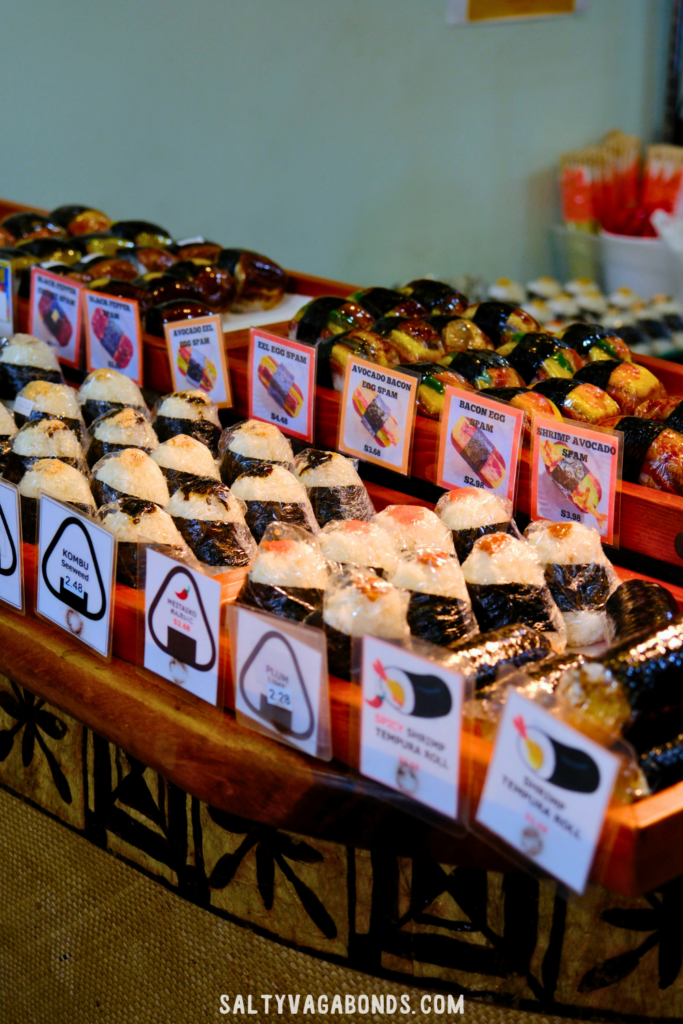

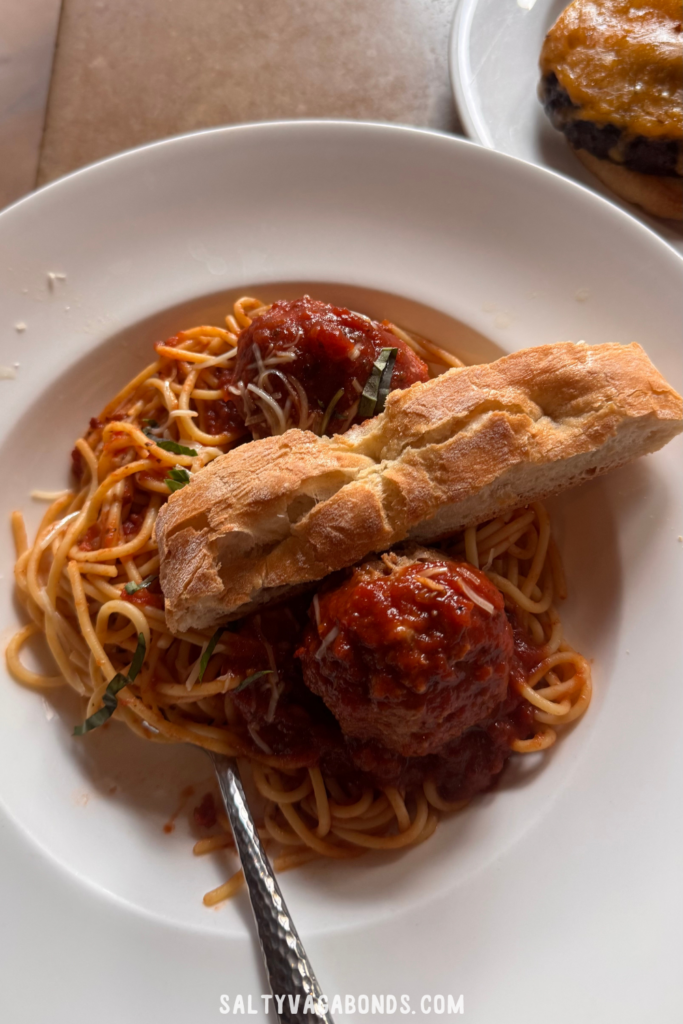
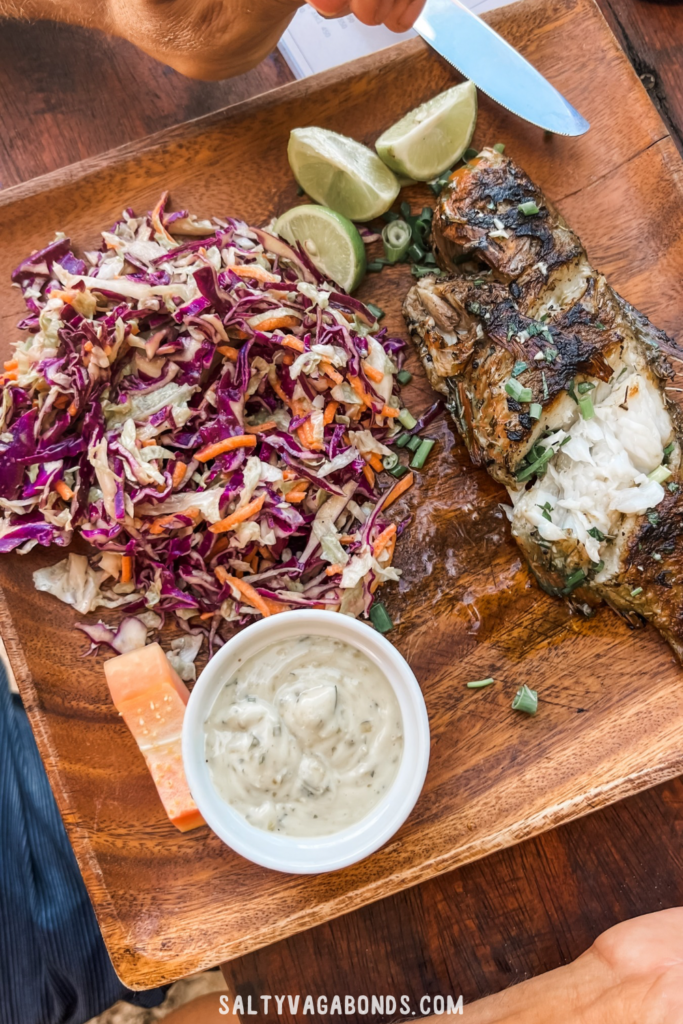
French Polynesia is a little more limited, but also more unique. Their signature dish is Poisson Cru, which is kind of like a coconut milk ceviche, and it’s amazing. We learned how to make it on a snorkel tour in Moorea and it was one of the best food memories from our trip.
One big thing to know: restaurant hours are very different. Most places (called “snacks” or “roulottes”) close between 2–5 pm for a siesta, then reopen in the evening. If you get hungry during those off-hours, your best bet is to hit a local grocery store like Carrefour or a neighborhood market. It took us a few days to adjust, but now it’s something we love about the rhythm of island life.


So which is more authentic and relaxed?
French Polynesia, hands down. It feels more laid-back, more local, and more genuine, especially once you leave Papeete. It’s rural and rugged in the best way, and the people really are what make it shine.
One of the funniest moments we had was when we were behind a school bus, and this teenage boy blew a kiss to a policewoman working the crosswalk. We all saw it from the car and cracked up. The locals have a sense of humor, they’re relaxed, and their energy is contagious.
And honestly, the kindness is unmatched. One woman we met at a spring literally handed Amanda her number and said, “Welcome to my island. If you need anything, text me.” That’s the kind of genuine aloha spirit we wished we’d felt more of in Hawaii, but never really did.
Crowd Levels and Vibe: What Travelers Say
One of the biggest differences between Hawaii and Tahiti? The vibe. And so much of that comes down to the crowds, or lack thereof.
What It’s Like in Tahiti: Peaceful, Remote, and Uncrowded
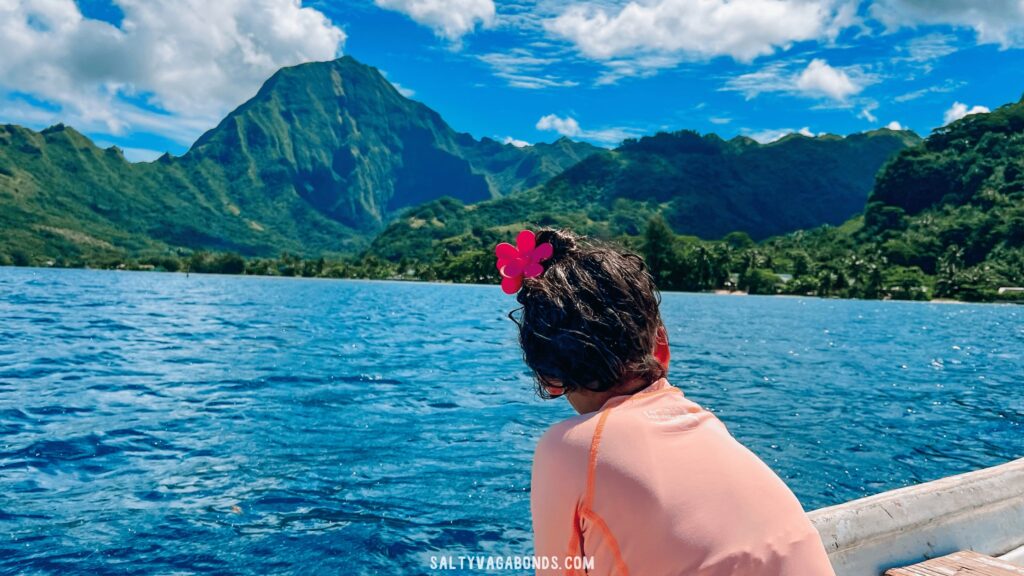
In French Polynesia, especially the Society Islands and the Marquesas, you’ll notice right away how few tourists there are. With only a handful of daily flights from the U.S., most visitors are coming from France or elsewhere in Europe.
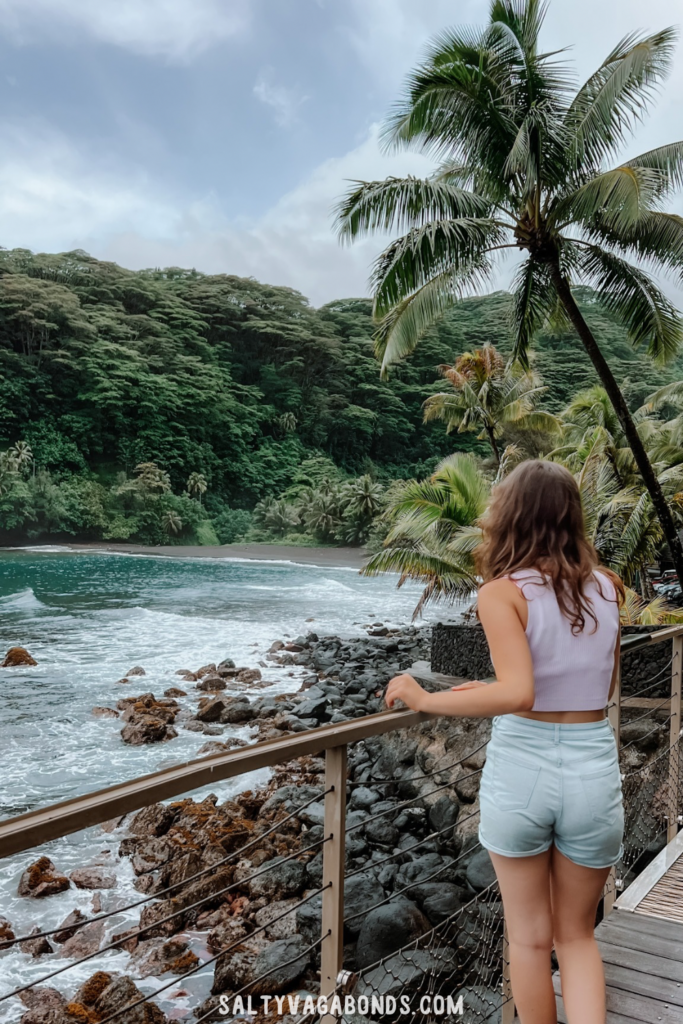
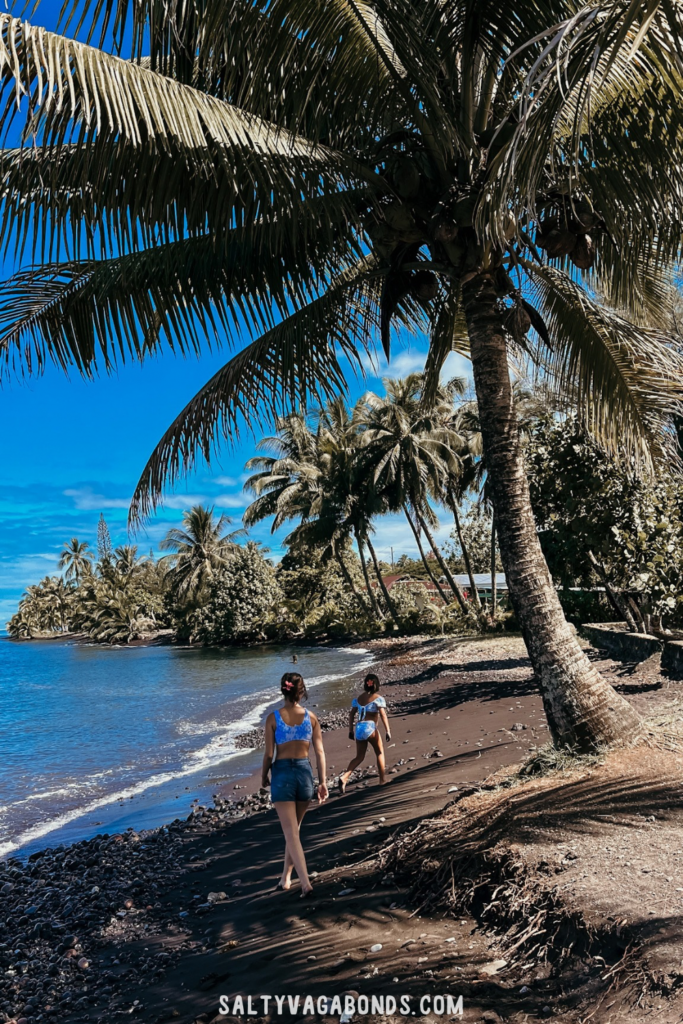
That means: no packed beaches, no elbowing through markets, and often no one else at stunning nature spots like the Fa’aruma’i Waterfalls (aka the 3 Cascades). It’s just you, the breeze, and the beauty. The peace is real, and it hits differently.
What It’s Like in Hawaii: Energetic, Accessible, and Popular
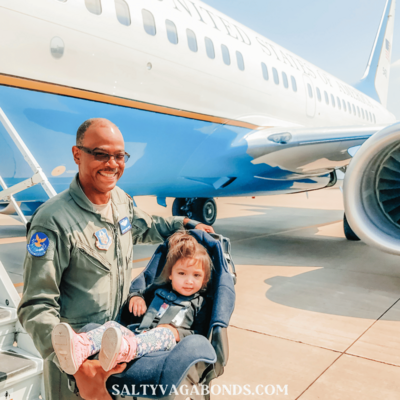
Hawaii is easy. No passport required, tons of direct flights, and American conveniences on tap. That’s a huge perk for families, and part of why we personally visit 3–4 times a year using Space-A military flights (Full Space A guide here).
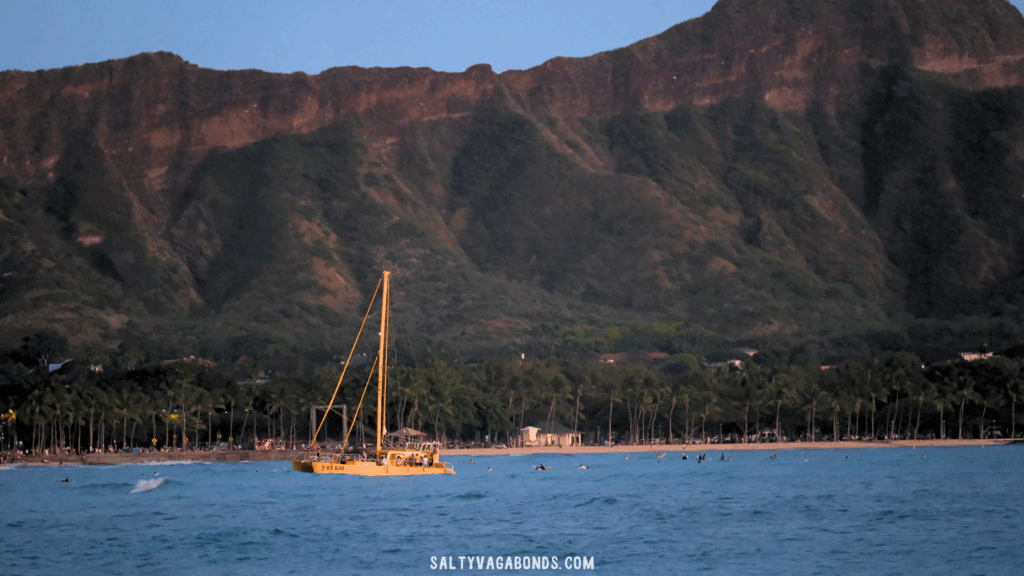
But that ease comes with crowds. Honolulu can feel like a bustling city with palm trees. Traffic is real, popular spots get packed, and the islands are busy. There’s always something to do… but not always room to breathe.
The Local Feel: Slower Days or Nonstop Fun?
In Hawaii, there’s a buzz, beaches full of surfers, tourists lining up for shave ice, and luaus every night. It’s fun, family-friendly, and full of energy.
Tahiti and Moorea? Way more chill. You’ll pass roadside fruit stands, simple local eateries, and locals who wave as you drive by. It reminded us of old-school Hawaiʻi, before the rush.
So… Which Vibe Is Right for You?
If your family wants convenience, tons of kid-friendly tours, and a fun-packed itinerary, Hawaii is probably the better fit.
But if you’re dreaming of slowing down, unplugging, and stepping off the grid for a while… Tahiti delivers.
For us? Tahiti felt like an actual escape. Not just a vacation, but a reset.
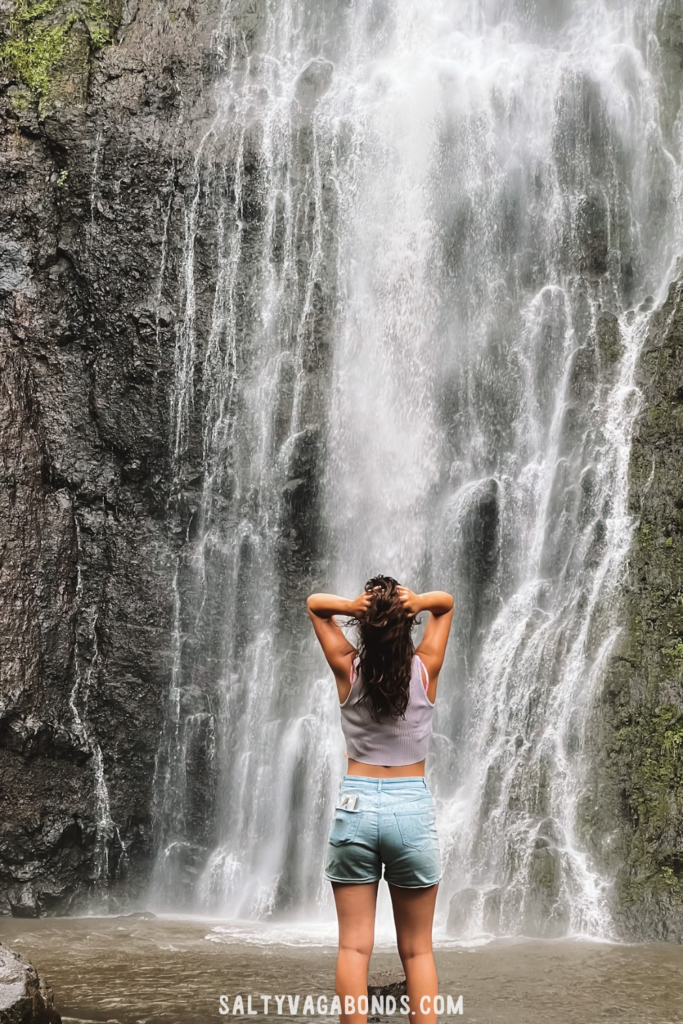
Tahiti vs Hawaii: Where Should You Take Your Family on Vacation?
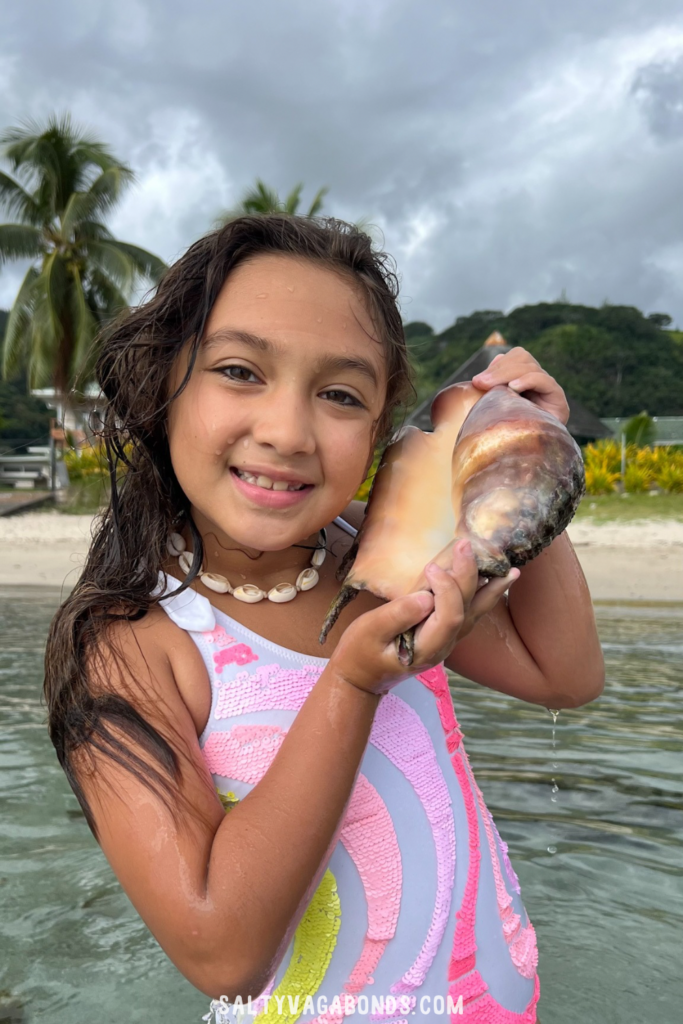
We’ve visited a lot of tropical places over the years, but the one that keeps us dreaming (and talking about it nonstop) is Tahiti. French Polynesia feels like a dream, it’s surreal, peaceful, and totally unforgettable.
That said, it does come with a few challenges. You’ll want to brush up on a little French, though Google Translate on your phone works just fine. The local currency (CFP — French Pacific Franc) takes a little getting used to, but that’s part of the fun when you’re traveling internationally.
Choose Tahiti:
If you’re looking for tranquility, warm ocean days filled with snorkeling or swimming, and a chance to slow down. This is the place where you’ll actually unwind, where “vacation” means peaceful mornings, friendly locals, and no crowds.
Choose Hawaii:
If you’re after convenience, variety, and tons of things to do. It’s got nightlife, entertainment, national parks, hiking, and shopping, all rolled into one stunning destination that doesn’t require a passport if you’re a U.S. citizen. It’s easy, exciting, and packed with family-friendly adventures.
If you’ve already done Hawaii, visiting Tahiti feels like discovering paradise all over again. And once you go? You’ll understand why we keep finding our way back.
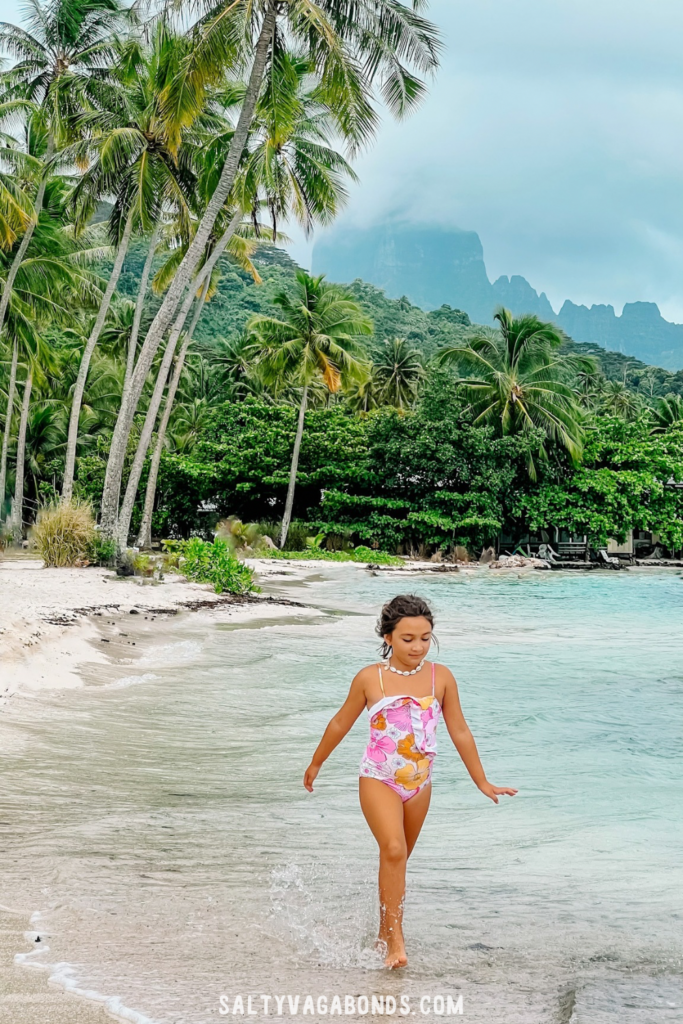
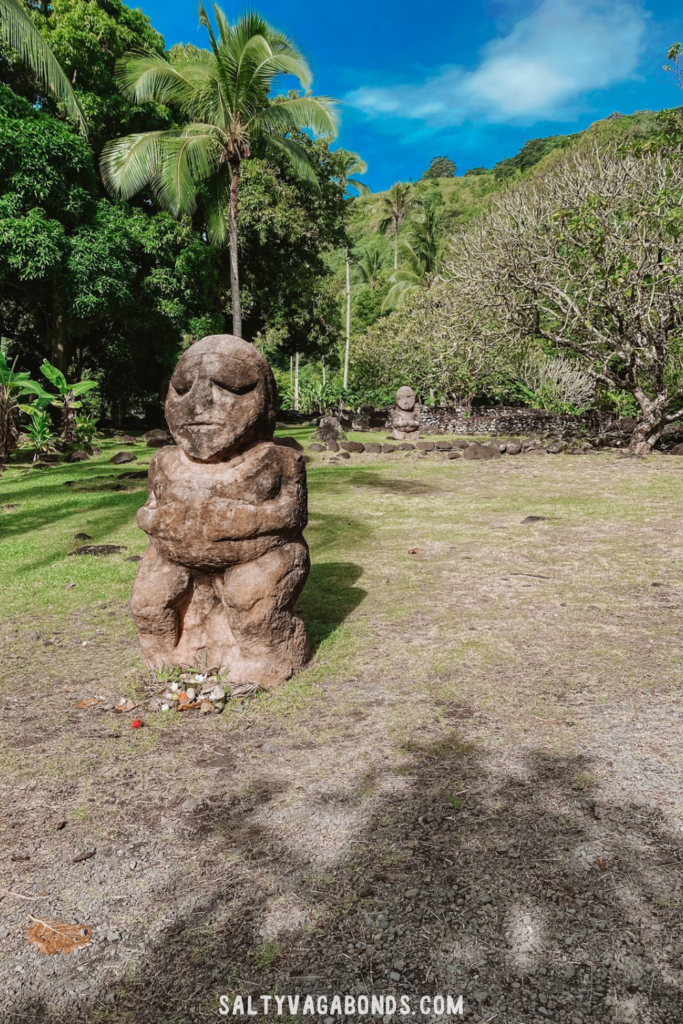
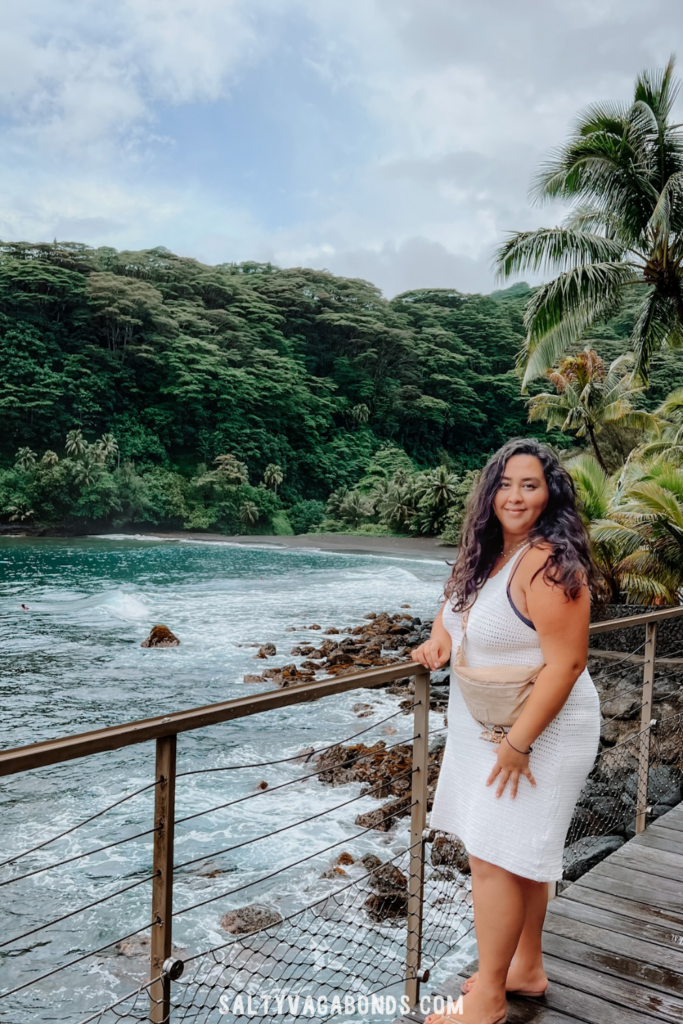
Want even more ideas?
If you’re leaning toward Tahiti, we’ve got you covered. Don’t miss our full breakdown of Best Things to Do in Moorea With Family on Vacation and Our Top Family Favorite Things To Do In Tahiti! These islands offer some of the clearest waters and best wildlife encounters we’ve ever had, perfect for adventurous families who want more than just beach lounging.









Planning
Tips
Destinations
Oceania
North America
Europe
Asia
Bali
Japan
Korea
Malaysia
singapore
Thailand
Vietnam
France
U.K.
Germany
Canada
Mexico
usa
French Polynesia
Micronesia
Hawaii
Guam
Indonesia
All Travel Blogs
Destinations
Planning
Tips
Destinations
Travel Tips
Planning
About us
Hotels
via Booking.com





Car Rental
Book a Bus/Train/Transfer
Find Cheap Flights
Get ESIM or SIM Card
Easy Currency Exchange
Book Tours & Attractions
Get Travel Insurance
via Discover Cars
via Skyscanner
via 12Go
via Wise
via Viator
via Visitors Coverage
via SimOptions
Destinations
Planning
Tips
All Categories
Travel Tips
Worldschooling
Digital Nomad
Travel Hacking
Travel with kids
Lifestyle
Military Travel
Packing
All Travel Tips
Tech
