




Disney Repositioning Cruise: The Secret Way to Cruise Longer for Less
Are you thinking about a Disney repositioning cruise? We share what it’s really like, from sea days and weather to value, pacing, and who these longer sailings are actually best for.

saltyvagabonds
Destinations
Travel Tips
Planning
About us

Saltyvagabonds
If you click on links we provide, we may receive compensation.


Why Repositioning Cruises Are Different
So you’re eyeing a discounted Disney repositioning cruise, but let’s be real. You’re probably wondering… is this going to feel like a classic Disney cruise, or am I about to regret this for two straight weeks?
The honest answer? It depends on what kind of traveler you are.
We personally loved it because it wasn’t a typical 5 or 7 night Disney cruise. We sailed on a 16-day repositioning cruise, and somehow it cost us about the same as a standard 7-day sailing. If anything, we wished it had been even longer.
What made it different, in the best way, was the pace. Fewer ports, more sea days, and way less pressure to constantly be doing something. We’re boat people, so having long stretches of ocean time, slow mornings, and space to actually relax was a huge win for us.
That said, repositioning cruises aren’t for everyone. Depending on the route, you might hit rougher seas or cooler weather, and yes, there are a lot more days at sea. If you’re someone who needs constant port stops or warm beach weather every day, this might not be your dream cruise.
But if you love a slower, more laid-back Disney experience, have airline miles to help with positioning flights, and want to enjoy all things Disney without the rush for two full weeks, a Disney repositioning cruise might surprise you in the best way.
Below, we break down everything you need to know, including routes, weather, pricing, and who these cruises are actually best for, so you can decide if this kind of Disney sailing is worth it for you.
What Is a Disney Repositioning Cruise?
A Disney repositioning cruise happens when Disney Cruise Line moves a ship from one region to another as seasons change. Instead of leaving the ship idle, Disney opens that transition voyage to guests as a longer, often discounted sailing.
Cruise ships follow the best weather and demand. When one destination becomes less appealing due to seasonal weather, Disney relocates the ship to a region entering peak travel season. This allows guests to experience new itineraries while Disney positions its fleet where vacation demand is strongest.
For example, the Disney Wonder sails out of Seattle to Alaska during the summer months. Once Alaska’s season ends and winter weather sets in, the ship may reposition to a warmer destination, like Australia, where summer vacations are just beginning. Rather than sailing empty, Disney sells that journey as a repositioning cruise.
In simple terms, a repositioning cruise is a one-time sailing that moves a Disney ship to a new home port for the next season.
What Makes a Disney Repositioning Cruise Different?
Repositioning cruises usually come with a few key characteristics:
- Longer itineraries, often 10 to 16 nights or more
- One-way routes, starting in one region and ending in another
- Fewer ports, since the ship is traveling long distances
- More sea days, which creates a slower, more relaxed pace
- Better value per night, since pricing is often lower when averaged over the full length of the cruise
Because of these factors, Disney repositioning cruises feel very different from standard 5 or 7-night sailings. They’re less about rushing from port to port and more about enjoying the ship, the ocean, and an extended Disney experience at sea.

What a Disney Repositioning Cruise Is Really Like
We’re no strangers to life on the water. We’ve sailed our own catamaran from Seattle to Cabo and spent plenty of time cruising around the Sea of Cortez. That said, being at sea on a massive ship like the Disney Wonder is a very different experience, especially over two full weeks.
A Slower Pace, Less Rushing
One of the biggest things we noticed right away was the pace. Life onboard moved slower in the best possible way. Instead of feeling like we had to squeeze everything in immediately, we knew we had over two weeks ahead of us.
Character meet-and-greets, onboard activities, and shows didn’t feel urgent. We could spread things out instead of racing from one thing to the next. The first few days felt more like settling into ship life than “vacation mode,” and honestly, that was refreshing.
After coming off shorter cruises where everything feels like a whirlwind, this was a welcome change. It actually felt like a vacation instead of work disguised as fun.


More Opportunities Without the Pressure
Once we started paying closer attention to the Navigator app, we realized just how many experiences repeated throughout the sailing. Character appearances, Royal Gatherings, trivia, and other onboard activities popped up multiple times over the course of the cruise.
That alone shifted our mindset. There was far less of the “we have to do this right now” pressure because we knew another opportunity was coming. Over a 16-night sailing, flexibility becomes a real luxury.
That said, there are still a few things you don’t want to miss. Events like the Golden Mickeys, the crew talent show, and Pirate Night are typically one-and-done. Those are definitely “snooze and you lose” moments, so it’s worth planning around them.
Calmer and Less Overstimulating for Families
For our kids, the longer sailing made a noticeable difference. Without the pressure to do everything immediately, they felt more relaxed and less anxious. There was room to slow down.
Some days the kids club was a bit much for Audrey, and instead of forcing it, she felt totally comfortable hanging back in the room, watching a movie, and recharging. On a shorter cruise, that can feel like you’re “wasting time.” On a repositioning cruise, it just feels like balance.
And that really sums it up.
A Disney repositioning cruise is still very much a Disney cruise, just with more time. More time to do what interests you, more chances to catch what you miss, and more flexibility to relax or go all-in when you want to. We loved that balance, and it’s a big reason these longer sailings worked so well for our family.

Expect More Sea Days: And Why That’s Not a Bad Thing
When we boarded the Disney Wonder for our sailing to Australia, the first stretch of the itinerary included five sea days in a row. And honestly, we were excited. For me and Addy, this wasn’t our first time crossing the Pacific, but it was our first time doing it on a massive cruise ship with air conditioning, unlimited food, and zero hot-racking.
This was a very different experience than crossing on a 38-foot sailboat, where cooking in rolling seas and sleeping in shifts is just part of the deal. Sea days on Disney felt calm, intentional, and surprisingly enjoyable.
Why Sea Days Are Perfect for Adults
Back-to-back sea days are completely normal on repositioning cruises, especially when crossing oceans. Some people actively seek them out because they create space to truly slow down.
Sea days are made for relaxing, eating well, and repeating the cycle without feeling rushed. It’s the perfect time to book a spa treatment, lounge by the adults-only pool, enjoy the sun, or just wander the ship without an agenda.
We leaned into the ship itself. We learned how to make towel animals, built ribbon leis, walked laps on Deck 4, and even played shuffleboard. There was always something to do, but nothing felt mandatory.


Sea Day Perks for Kids
Our kids loved the sea days just as much, if not more. With no ports pulling everyone in different directions, they had time to really enjoy the onboard experiences.
They soaked up character meet-and-greets, built ribbon leis (something we hadn’t done before), swam in the pools, and watched live shows in the theater. Add in daily seek-and-find activities at Guest Services and unlimited soft-serve ice cream, and they were fully content.
Sea days also brought unexpected moments. One afternoon during lunch, we spotted dolphins swimming off the back of the ship, which turned into one of those simple memories you don’t plan for but never forget.
Sea days give you options. You can use them to plan ahead for upcoming ports, go all-in on activities, or do absolutely nothing at all. If you enjoy the ship and everything Disney builds into it, sea days aren’t a downside. They’re one of the biggest perks of a repositioning cruise.


Weather on Disney Repositioning Cruises: Let’s Be Honest
I could talk about weather all day. I genuinely love it. And when it comes to Disney repositioning cruises, weather is the one thing people worry about the most and also the thing most blogs gloss over.
Here’s the honest truth: repositioning cruises cross large bodies of open ocean. The ocean, much like the atmosphere, is dynamic. It has movement, layers, and systems that interact constantly above and below the surface.
That doesn’t mean it’s unsafe. It means it can be rolly.
As a Navy meteorologist once explained to me, the ocean behaves a lot like the atmosphere. Wind patterns, pressure systems, and fetch all play a role in how the water moves. Rough seas are rarely dangerous on a ship the size of a Disney cruise ship, but they can be uncomfortable for some passengers.
Understanding the route makes all the difference.


Routes With Rougher Seas
We sailed the long Hawaii to Sydney, Australia route, and we loved it. That said, I was paying close attention to the North Pacific conditions because we departed on October 3, which is still technically within Pacific hurricane season.
One of the biggest factors that determines how rough a route feels is how far north or south you start, and how much open ocean you’re crossing without land nearby.
This comes down to fetch, which is how long wind blows across the ocean uninterrupted. The longer the fetch, the larger the swell.
A prime example is the Seattle to Hawaii route. This is consistently one of the rolliest repositioning cruises. Low-pressure systems often form near Japan, follow the jet stream east, and build significant swell as they cross the Pacific toward North America.
Those systems can create long-period swells that travel thousands of miles. On a small sailboat, it’s intense. On a cruise ship, it’s much more manageable, but you’ll still feel the motion.
On our Seattle-to-Cabo sailing days, the swell was generally coming from the starboard (right) side of the ship. We saw swells around 12 feet (4 meters) during our own sailing down the west coast, which is very normal for the North Pacific. As you move closer to the equator, those conditions typically calm down.
You’ll see similar patterns on Transatlantic repositioning cruises, especially those departing from northern Europe. These routes often start with cooler temperatures, more wind, and more motion until the ship reaches lower latitudes near the Tropic of Cancer. Once there, trade winds tend to be steadier, lighter, and produce smaller swells.
Important takeaway: The farther north or south your cruise starts or ends (think Seattle, England, Sydney), the more motion you’re likely to experience early in the sailing. As ships move closer to the equator, conditions generally become smoother. And remember, “rough” usually means rolling, not unsafe.


Routes That Tend to Be Calmer
If you love the idea of a repositioning cruise but aren’t quite ready for long stretches of open ocean, there are excellent options that ease you into the experience.
Panama Canal repositioning cruises are a great example. These routes tend to stay closer to land, include more frequent port stops, and avoid extended exposure to open ocean conditions. The geography itself creates more sheltered waters, and ports help break up sea days.
Another approachable option is coastal repositioning, such as ships moving between California and Alaska or Mexico and the West Coast. These cruises still offer longer itineraries and repositioning value, but without committing to a full ocean crossing. They’re ideal if you want to experience repositioning without adding complex flights or long-haul travel at the end.
Bottom line: weather matters, but it’s predictable when you understand the route. If you know what you’re signing up for and choose a sailing that fits your comfort level, repositioning cruises can be an incredible experience rather than something to fear.
And if you’ve ever loved a quiet sea day watching the horizon roll by, you might find that the ocean becomes part of the magic.


Rolling Seas: What to Expect And How to Prepare
Rolling seas are a sailor’s best friend, but for landlubbers, they can take some getting used to.
On a Disney repositioning cruise, you’ll almost certainly feel a gentle sway, and at times you may notice the bow cutting through waves with a soft shudder. This is completely normal, especially on longer ocean crossings. We noticed it more in staterooms toward the front (bow) of the ship, like ours.
The key thing to know is this: the motion changes. It’s not constant, and it’s not permanent. The ocean has a yin and a yang. Conditions can shift within hours or over the course of a day as weather systems, wind direction, and swell patterns evolve.
Motion is often more noticeable:
- In enclosed spaces without windows, like interior staterooms
- On upper decks
- At night, when the horizon and sunlight disappear
Without visual reference points, your body has to work harder to process movement, which is why nighttime can feel a bit more intense for some people.
How to Prepare for a Repositioning Cruise
If you’re concerned about motion, cabin location matters. Lower-deck staterooms located midship or toward the back of the ship tend to experience less movement and can make a noticeable difference in comfort.
Even if you’ve never been motion sick before, it’s smart to come prepared. Bring what works for you, because ships may not carry every option. On our sailing aboard the Disney Wonder, Guest Services and the medical clinic (Deck 1) did offer free Dramamine (the drowsy version), but you don’t want to rely on that alone.
Popular and effective options include:
- Motion sickness medications (Dramamine, Bonine, etc.)
- Acupressure wrist bands
- Scopolamine patches
- Prescription options like Zofran
Having choices on hand can make a huge difference, especially if someone in your group reacts differently than expected.
And here’s the encouraging part: most people adjust. Even experienced sailors can feel it at first. Our friend Judy, who has sailed around the world, still needs about three days to acclimate, and that’s very typical. For many passengers, it’s less.
If you’re like me, you’ll find relief by simply staring at the horizon and letting your body recalibrate. For others, a combination of fresh air, medication, and rest does the trick.
Rolling seas are part of the repositioning experience, but they don’t have to define it. With the right preparation and expectations, most people settle in and go on to fully enjoy the journey.
The Mental Shift That Makes Repositioning Cruises Amazing
The mental shift is honestly our favorite part of a repositioning cruise.
At some point, your biggest daily decision becomes something laughably small, like which dinner rotation you’re eating at that night. Everything else fades into the background, and that’s when you realize how different this kind of cruise really is.
For us, the first several days were entirely at sea. There was no rushing from port to port, no pressure to “make the most of it,” and no feeling of missing out by staying onboard.
That slower start was especially welcome after the chaos it took just to get there, driving across half the U.S., booking a one-way rental car, and flying Space-A to Hawaii, which is never a guaranteed plan.
Once we settled into ship life, something clicked. We found ourselves skipping activities without guilt. No FOMO, no stress. Just the quiet realization that we had 14 more days ahead of us, so there was no need to chase every single thing happening onboard.
That’s when the cruise stopped being about doing vacation and started being about being on vacation.
Most days, we picked maybe one event we actually wanted to attend. The rest of the time? Walking three miles on the track, taking an unplanned nap with the ocean breeze coming through, or skipping lunch entirely in favor of soft-serve ice cream and pastries from the café.
It was slow, intentional, and incredibly freeing. And once you experience that shift, it’s hard to go back to a “normal” cruise mindset again.
Why We Loved the Slower Pace: Our Experience
We genuinely loved the slower pace and the extra days at sea. For the first time, the cruise actually felt like a vacation, not a checklist. We had put off doing a Disney cruise for years because we couldn’t justify the cost of a typical 7-day sailing from Seattle to Alaska, especially when you factor in expensive one-way flights back to Seattle afterward.
This trip felt different right away.
There was almost zero fear of missing out, at least for the adults. The kids were excited about character meet and greets and wanted to see everyone, but even that felt manageable. Those experiences were spread out over two weeks instead of being crammed into a few hectic days, which made a huge difference for everyone’s energy levels.
I know I skipped a few shows and onboard experiences, and honestly, I don’t regret it at all. The whole trip felt like being on island time, but on a ship. There was no pressure to rush from dinner to the next activity or squeeze everything into one night.
A big part of that carefree feeling came from knowing we had double the time onboard compared to a standard cruise. That alone completely shifted our mindset. We weren’t constantly checking schedules or trying to optimize every hour. We just… enjoyed ourselves.
That mindset shift changed the entire experience for our family. The cruise felt intentional, relaxed, and genuinely enjoyable. Without the constant rush or FOMO, meals were slower, downtime felt earned, and the overall vibe was calmer for everyone, kids included.
It wasn’t about doing everything. It was about enjoying what we chose to do, and that made all the difference.


Who a Disney Repositioning Cruise Is Perfect For
A Disney repositioning cruise isn’t for everyone, but for the right traveler, it’s incredible.
This type of cruise is perfect if you’re flexible with your schedule, especially if you’re traveling with kids. Families who homeschool, worldschool, or have nontraditional school schedules will find repositioning cruises much easier to say yes to.
For us, taking a 16-day sailing wasn’t a disruption, it was an opportunity. If your family can step away for longer than a typical 5–7 day vacation, a repositioning cruise is absolutely worth considering.
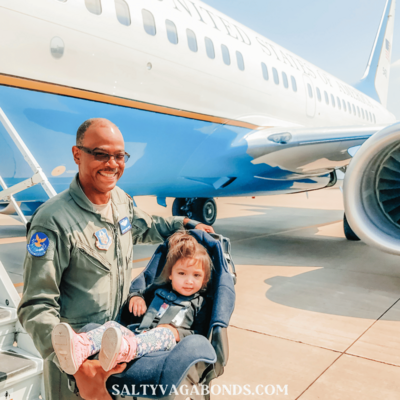
We also highly recommend repositioning cruises for military families. Between military discounts, flexible travel perks, and the ability to stretch your vacation budget further, it’s an amazing way to see the world. We even made military friends onboard, which added an unexpected layer of connection to the experience.
Remote workers are another great fit. If you don’t mind paying for onboard internet and can work asynchronously, a repositioning cruise gives you a unique balance of productivity and downtime. Work during the day, relax in the evenings, and enjoy sea days without feeling rushed.
And retirees? Honestly, it’s almost a no-brainer. Longer itineraries, fewer ports, better value per night, and plenty of time to enjoy the ship. If you’ve got the time, repositioning cruises offer a slower, more immersive experience for a fraction of the cost of shorter sailings.
Lastly, this type of cruise is ideal for anyone who genuinely loves sea days and being onboard. If your perfect vacation looks like lounging by the pool, enjoying long dinners, watching the ocean roll by, and ending the day with a show or cocktail, this is your kind of cruise. It’s especially great if you’re burned out on rushed itineraries and constant port hopping.
If flexibility, value, and a slower pace sound appealing, a Disney repositioning cruise might be exactly what you’re looking for.
Who Might Not Love a Repositioning Cruise
As much as we loved our repositioning cruise, it’s important to be real, this style of cruising is not for everyone, and that’s completely okay.
If you need frequent port stops or start feeling restless without getting off the ship every few days, a repositioning cruise may not be your vibe. These sailings are heavy on sea days, and if “island fever” hits you quickly, the long stretches at sea can feel too slow instead of relaxing.
We also don’t recommend long transocean repositioning routes for travelers who are very sensitive to ship movement or prone to motion sickness. While cruise ships are incredibly stable, rolling seas are part of the experience, especially on open-ocean crossings.
If you’re curious about repositioning cruises but nervous about motion, the Panama Canal route is a much better place to start since it stays in calmer, more sheltered waters with more frequent ports.
If you’re looking for a classic Disney cruise experience packed with ports, short sailings, and a faster pace, a repositioning cruise may feel different than what you expect. The magic is still there, but it’s spread out over a much longer, slower itinerary.
We also caution travelers with very limited vacation time. Repositioning cruises require flexibility, and moving a ship across oceans comes with added variables like weather, sea conditions, and longer transit days. If you only have a week off and need everything to go exactly to plan, a traditional itinerary might be the better choice.
Repositioning cruises shine when you can lean into the slower pace, but if that doesn’t sound appealing, it’s totally okay to skip this style of sailing.

Disney Repositioning Cruise Routes to Watch
Disney Cruise Line (and most major cruise lines) reposition their ships every year to follow weather patterns, peak travel seasons, and demand. These sailings are almost always one-way routes, either crossing oceans or moving ships along long coastlines, like the West Coast of the United States.
If you understand when and why ships move, it becomes much easier to spot repositioning cruises before prices climb.
Early-Year Repositioning Routes: March, April, May
These routes usually move ships out of winter regions and into spring and summer homeports:
- Vancouver → San Diego
- San Diego→ Vancouver
- Florida → Europe (spring transatlantic sailings)
- Sydney → Hawaii (Australia fall to U.S. spring)
- Hawaii → Seattle (pre-Alaska season)
- Texas → California (Via Panama Canal)
Late-Year Repositioning Routes: September, October, November
These routes typically move ships away from hurricane zones or out of summer markets:
- Vancouver → San Diego
- Europe → Florida (fall transatlantic sailings)
- Seattle → Hawaii
- Hawaii → Sydney
- California → Texas
Why These Routes Exist
Cruise lines want their ships positioned in the right places for the right seasons. That means:
- Alaska ships move south before winter
- Europe ships head back to Florida before colder weather
- Pacific ships reposition to avoid typhoon and hurricane seasons
Instead of sailing empty ships, cruise lines sell these repositioning itineraries to passengers, often at a lower cost per night than standard cruises. That’s why these sailings can be such an incredible value for travelers who are flexible.
If you’re watching cruise schedules closely in the spring and fall, these routes are where Disney repositioning cruises consistently show up and where the best deals are usually hiding.

Disney Repositioning Cruises: 2026 & Beyond
Disney repositioning cruises are some of the most overlooked sailings, and they’re often where the best value hides. These cruises happen when Disney Cruise Line moves ships between seasonal homeports, rather than running standard round-trip itineraries.
When Disney Usually Announces Repositioning Cruises
Disney typically releases repositioning cruise itineraries when seasonal schedules drop, not as standalone announcements. Most commonly, this happens:
- In late spring to early summer for fall sailings
- Again in late fall when early 2026 itineraries begin appearing
Because these sailings are tied to fleet movement, they often appear quietly alongside Alaska, California, or Caribbean schedules.
Why Disney Repositioning Cruise Schedules Change Every Year
Repositioning cruises are never identical year to year. Routes, dates, and even ports can change based on:
- Ship maintenance schedules
- Fleet expansion or redeployments
- Demand for Alaska, West Coast, or international itineraries
- Port availability and operational logistics
That’s why you might see a Seattle to San Diego sailing one year, and a Vancouver to San Diego or San Diego to Galveston route another year.
Where to Monitor Official Disney Repositioning Cruise Releases
If you want to catch Disney repositioning cruises early, these are the best places to watch:
- Disney Cruise Line’s official website (filter by one-way cruises)
- Disney Cruise Line Castaway Club emails
- Trusted Disney cruise planners or agents
- Cruise forums and itinerary drop announcements
Repositioning cruises tend to sell out faster once word spreads, especially for longer sailings with more sea days and lower per-night pricing.
Why we love them: more sea days, fewer crowds, and a totally different onboard vibe that feels slower and more relaxed than standard Disney sailings.


Are Disney Repositioning Cruises Worth It?
Short answer? Yes, absolutely.
Long answer? Let me explain why.
Most people work really hard for what they have — a home, a reliable car, a comfortable life. So when it comes time to take a vacation, getting more time without spending more money matters. That’s exactly where Disney repositioning cruises shine.
On our sailing, we got nearly double the time onboard for about the same cost as a typical 7-day Disney cruise. When you break it down by night, that’s often close to a 50% lower cost per day, which is huge for a Disney experience.
That lower cost per night was what initially sold us. But the real value went far beyond the price.
We had more time to actually enjoy the ship, more time to soak in the Disney magic, and more time to relax without feeling rushed. There was no constant pressure to squeeze everything in, no daily “go go go” mentality, and far fewer moments of sensory overload from crowds, noise, and packed schedules.
Instead, we found a rhythm that worked for our family. We picked what we wanted to do, skipped what we didn’t, and genuinely enjoyed being onboard.
For us, it checked every box: better value, slower pace, higher enjoyment, and smiles all around.
If you’re flexible and open to a different kind of Disney cruise experience, a repositioning cruise isn’t just worth it, it’s one of the best cruise values Disney offers.


Disney Repositioning Cruise FAQs
What Is a Disney Repositioning Cruise?
A Disney repositioning cruise is a special sailing that happens when Disney moves a ship from one region to another due to seasonal weather changes. The ship is relocating anyway to maintain its schedule, and Disney opens the journey to guests instead of sailing empty.
Think of it this way: the ship needs to move, the rooms are already there, so guests are invited along for the ride.
Are Disney Repositioning Cruises One-Way?
Yes. Disney repositioning cruises are almost always one-way itineraries. That means you’ll need to plan a one-way flight home or onward travel from the final port.
Are Disney Repositioning Cruises Cheaper?
They often are, especially when you look at the cost per night. Pricing depends on the route, time of year, and demand, but repositioning cruises typically offer better value than standard Disney sailings of shorter length.
Are Repositioning Cruises Rough?
“Rough” is very subjective.
Repositioning cruises are safe, but they can feel more uncomfortable at times due to longer open-ocean stretches. You may experience rolling seas depending on the route and weather patterns. That said, this is not the kind of rough where items are flying around or damage is occurring.
As someone who has crossed oceans on a small sailboat, we found the motion very manageable on a large cruise ship. It’s more of a steady sway than anything extreme.
Are Disney Repositioning Cruises Good for Families?
For our family, they were fantastic.
The experience felt similar to staying at an all-inclusive resort for an extended period, with occasional port stops mixed in. The slower pace, fewer schedule pressures, and endless ocean views made it far more relaxing than a typical fast-paced cruise.
If your family enjoys downtime and flexibility, this type of sailing can be a great fit.
How Long Are Disney Repositioning Cruises?
Lengths vary depending on the route:
- Short repositioning cruises can be 4–7 days
- Longer sailings often range from 14 to 16+ days
- Hawaii to Sydney is typically around 16 days
- Europe to Florida sailings are usually 14 days


Is a Disney Repositioning Cruise Right for You?
If you’re craving a slower pace, deeper breaths, and the chance to truly relax, a Disney repositioning cruise might be exactly what you’re looking for. Yes, there’s still plenty of Disney magic, parties, shows, and activities onboard, but the biggest shift is mental. This isn’t a “do everything right now” kind of cruise.
On a long ocean crossing, you have two full weeks to enjoy the ship. That means no pressure to cram character meet-and-greets, shows, or activities into a handful of days. You can spread it out, skip things without regret, and come back to them later if you want.
We genuinely felt like we were getting incredible value for the money. Dinner in the rotational dining rooms felt like easy four-star food paired with attentive service from our waiters. Add in Broadway-style shows after dinner, movies playing all day on the jumbo screen, and the option to relax in your stateroom whenever you wanted, and the value showed up everywhere we looked.
That said, this type of cruise isn’t for everyone, and that’s okay. But if you can let go of rigid schedules, go with the flow, and enjoy a bit of unstructured adventure, a Disney repositioning cruise can be an amazing experience. If slowing down sounds appealing, this might just be your kind of sailing.
Planning a Disney Cruise Line Vacation?
If you’re deep in Disney Cruise planning mode (or just starting to dream), we’ve put together a full library of Disney Cruise Line guides to help you plan smarter, save money, and know what to expect before you sail.
Here are a few helpful reads to check out next 👇
Disney Cruise Planning Guides
These are best if you’re still deciding what to book or how to budget and plan.
- Disney Cruise Military Discount: Rates, Deals & Tips
- Disney Repositioning Cruise: The Secret Way to Cruise Longer for Less
- Disney Cruise vs Disney World: Which Is Better for Your Family?
- Disney Wonder Cruise: The Classic Ship Everyone Forgets
- Disney Cruise Concierge: The Ins and Outs Explained
- An Honest Disney Cruise Review for Teens by a Teen
- How to get Free Wifi on Disney Cruise Line Tips
Disney Cruise Tips for First-Time Cruisers
These are helpful once you’ve booked and are getting ready to sail.
- Disney Cruise Tips and Tricks: Advice for First Time Cruisers
- Disney Cruise Tips and Tricks: Free Stuff You Don’t Want to Miss
- Disney Cruise Packing List: Must Haves You Can’t Skip
- Disney Cruise Food Worth the Hype: What You Should Really Try
- Disney Cruise Door Decorations: Ideas, Rules & Free Printables
If this is your first Disney cruise, start with the first time Cruisers section. If you’re still deciding whether Disney cruising is worth it, the Planning Guides will help you narrow things down fast.









Planning
Tips
Destinations

Oceania
North America
Europe
Asia
Bali
Japan
Korea
Malaysia
singapore
Thailand
Vietnam
France
U.K.
Germany
Canada
Mexico
usa
French Polynesia
Micronesia
Hawaii
Guam
Indonesia
All Travel Blogs
Destinations
Planning
Tips
Destinations
Travel Tips
Planning
About us
Hotels
via Booking.com





Car Rental
Book a Bus/Train/Transfer
Find Cheap Flights
Get ESIM or SIM Card
Easy Currency Exchange
Book Tours & Attractions
Get Travel Insurance
via Discover Cars
via Skyscanner
via 12Go
via Wise
via Viator
via Visitors Coverage
via SimOptions
Destinations
Planning
Tips
All Categories
Travel Tips
Worldschooling
Digital Nomad
Travel Hacking
Travel with kids
Lifestyle
Military Travel
Packing
All Travel Tips
Tech