





saltyvagabonds
Saltyvagabonds
Destinations

Asia
Bali
Japan
Korea
Malaysia
singapore
Thailand
Vietnam
Europe
Germany
France
U.K.
North America
Canada
Mexico
Oceania
Polynesia
Micronesia
Hawaii
Guam
Indonesia
All Travel Blogs
Travel Tips
Planning
About us
usa
Destinations
Travel Tips
Planning
About us
All Categories
Travel Tips
Worldschooling
Digital Nomad
Travel Hacking
Travel with kids
Lifestyle
Military Travel
Packing
All Travel Tips
Tech


Travel Hacking with
Chase Points
Military Space A Flights
Guide










5 Reasons to Vacation to Okinawa Instead of Hawaii
Do you love Hawaii? Okinawa will surprise you. With vibrant culture, peaceful beaches, and rich island traditions, it’s familiar yet completely its own, making it perfect for your next unforgettable family trip.

If you click on links we provide, we may receive compensation.


We spent 2.5 months on a vacation to Okinawa, and it completely surprised us, in the best way. We actually flew in on a military Space-A flight to Kadena Air Base, and within hours of landing, we faced a medical emergency before even officially checking into the country. Not exactly the welcome party we imagined… but it didn’t define the trip.
What followed was one of the most memorable, enriching travel experiences we’ve had as a full-time family. Okinawa gave us tropical beauty, incredible cultural depth, warm hospitality, and affordability, without the crowds and high prices we’ve run into in Hawaii.
If you’re deciding between a trip to Hawaii or a Japanese island getaway, we’re going to break down exactly why Okinawa deserves a top spot on your list.
Let’s dive in.

Okinawa Offers a More Authentic Cultural Experience
Flying into Japan is always a bit surreal, whether it’s your first time or your third. What always stands out is the culture. Even something as simple as the airport check-in process feels warm and thoughtful. The staff are dressed sharply, and they bow subtly as they greet you. It sets the tone for your whole visit.
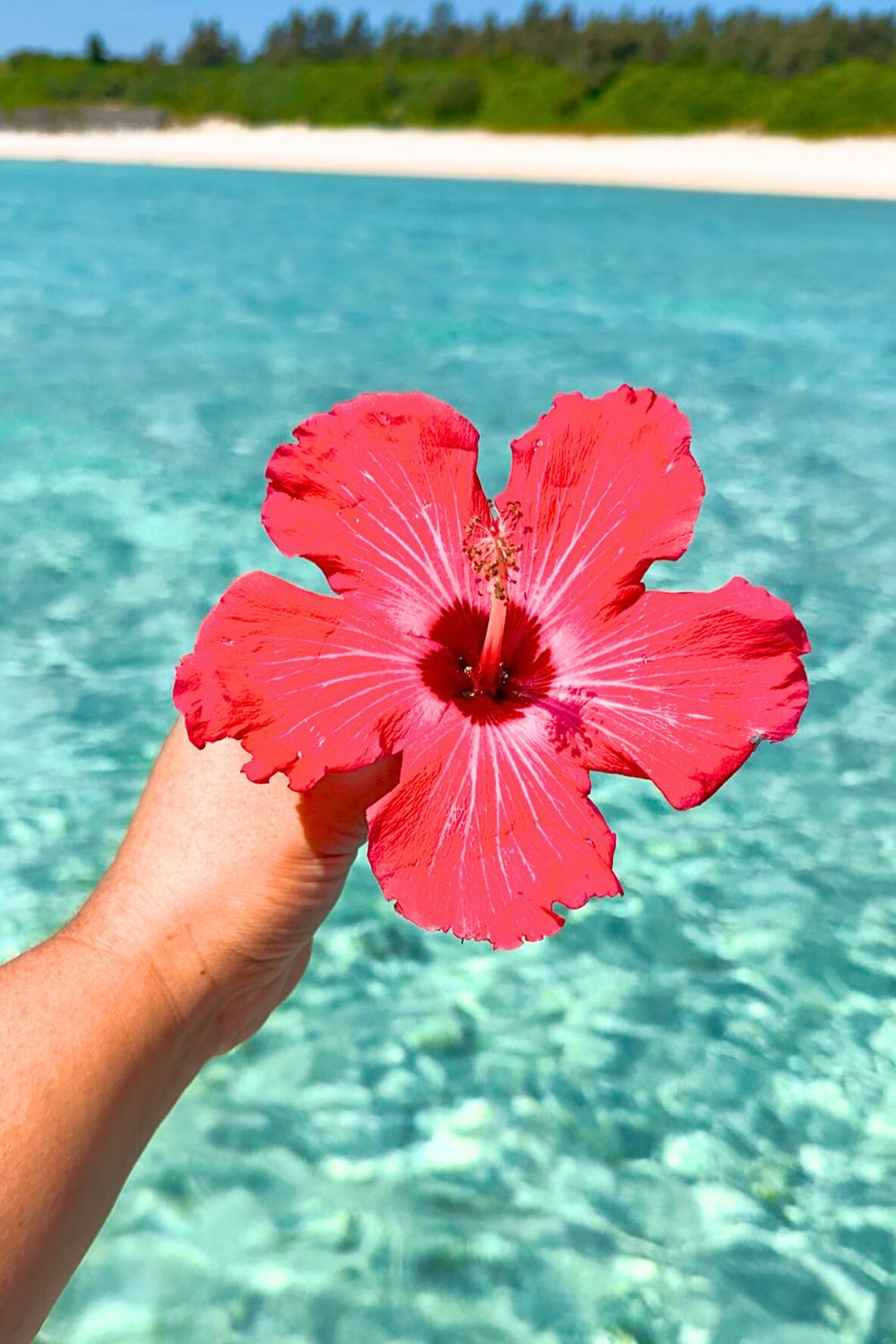
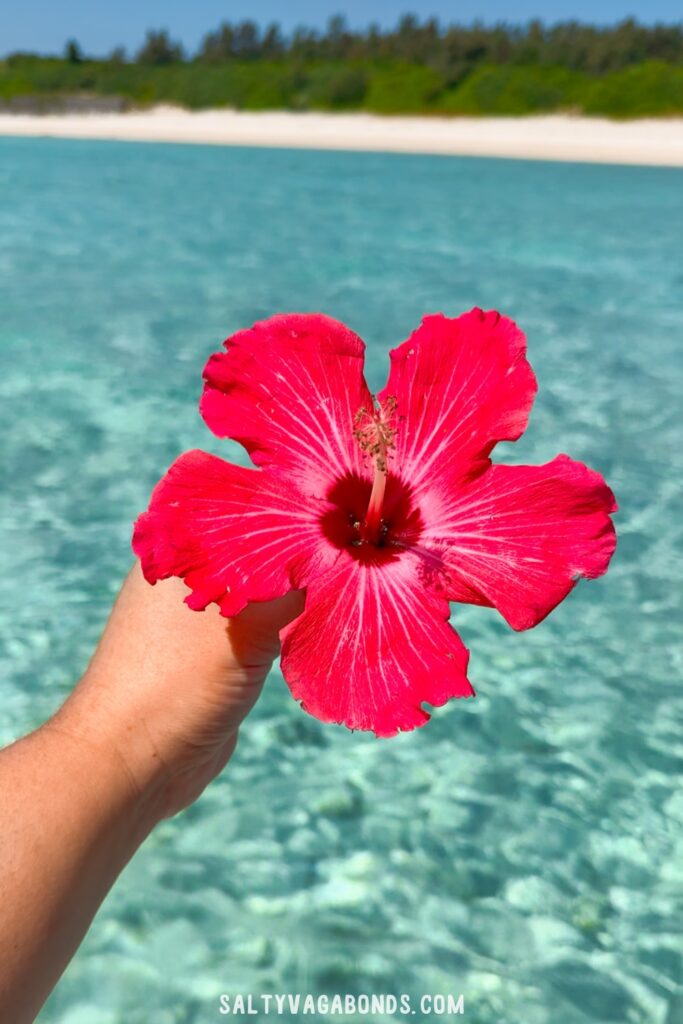
Okinawa, in particular, prides itself on being “Japan’s Hawaii,” but in many ways, it offers something even more authentic. You’ll see flowers on street signs, hibiscus worn in people’s hair, both kids and adults, and touches of tropical life integrated into everyday routines. It’s those small details that make the island feel both familiar and entirely unique.
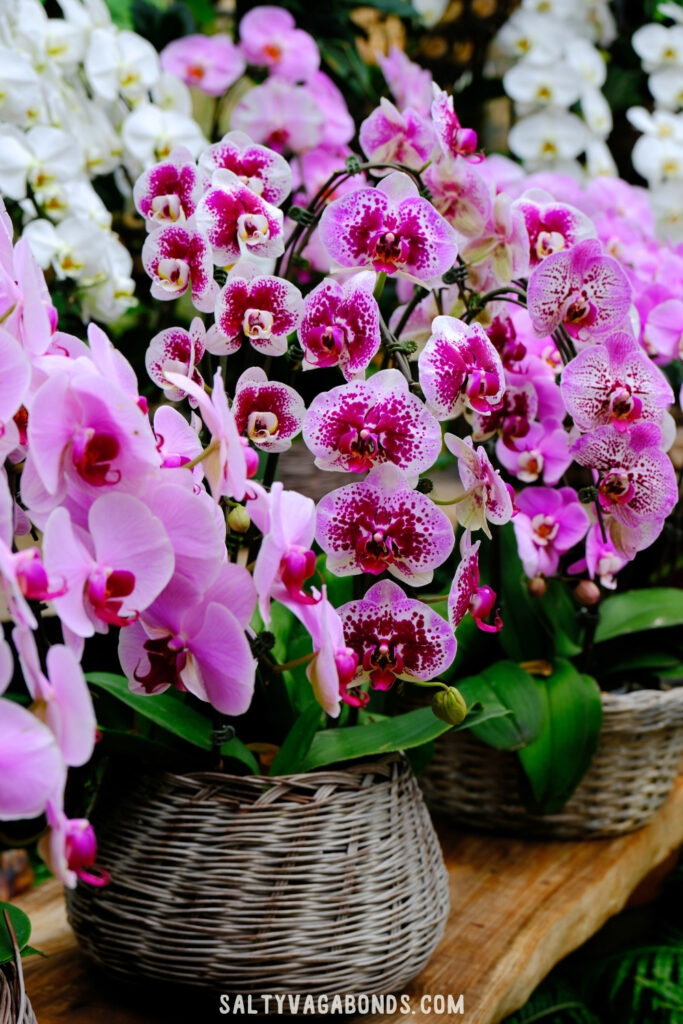
Unlike Hawaii, which can sometimes feel fast-paced and over-touristed, Okinawa runs on island time. Life moves slower while on a vacation to Okinawa. People pause to enjoy the moment. You’ll feel it in the markets, the conversations, and even how the local buses run. There’s a calmness here you don’t always find in Hawaii anymore.
Ryukyu Kingdom: A Culture All Its Own
One of the most fascinating parts of Okinawa’s identity is its history as the Ryukyu Kingdom. Believe it or not, Okinawa wasn’t even officially part of Japan until 1872. Before that, it was a tributary state of China, perfectly positioned to trade goods between Southeast Asia and East Asia. The Ryukyu people were seafarers, and that oceanic legacy still lives on today.
Cultural traditions are tied deeply to the water, like the famous dragon boat races and colorful events during Golden Week, one of Japan’s biggest holiday stretches. When we were visiting, we saw koinobori (those tall carp streamers) waving in the wind across parks and small villages.
You’ll find that the people here celebrate differently. They savor life at a pace that feels intentional. It reminded us of what island life is supposed to feel like, laid-back, community-driven, and deeply respectful of nature and history.
Okinawa Is More Affordable Than Hawaii
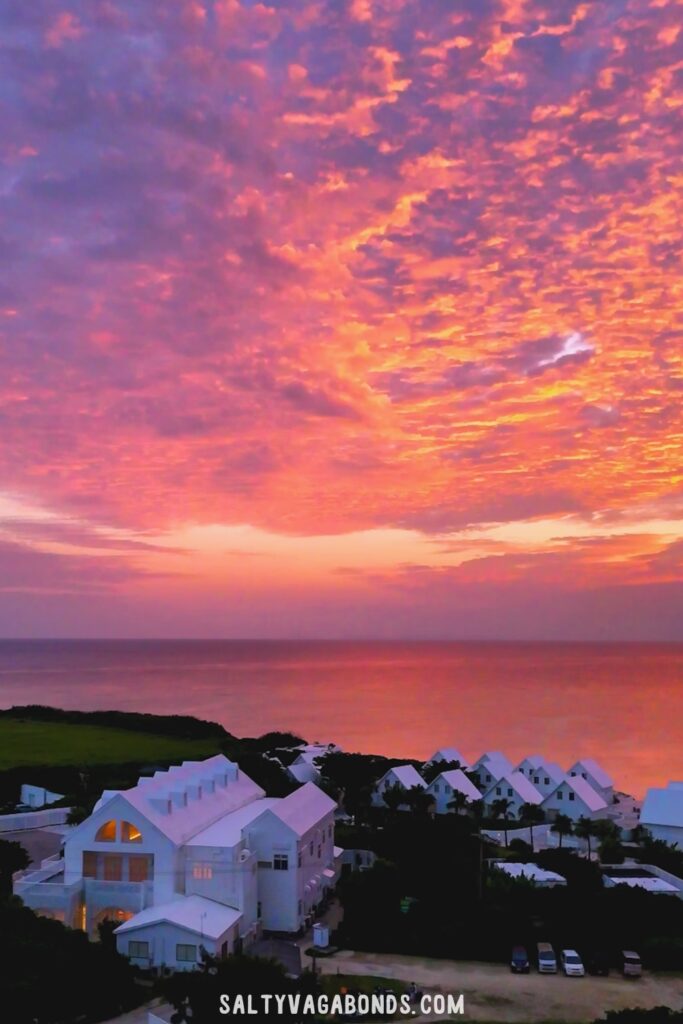
One of the first things we noticed during our trip was just how much more affordable Okinawa is compared to Hawaii. The average hotel price in Hawaii is around $280 per night. In Okinawa? Closer to $150. That’s a nightly savings of about $130. Hotel and lodging adds up fast if you’re staying a week or more.
Food in Japan is also next-level in both flavor and variety. And yes, Okinawa has fine dining just like Hawaii, but the real magic is in the small, local spots tucked into neighborhoods. Some of our favorite meals came from places like Island Pig House, Pizza in the Sky, and Tutan. These family-owned restaurants were affordable, memorable, and full of local flavor.
Now, you might be wondering, what about attractions? While mainland Japan has started adding new tourist taxes and fees, Okinawa’s excursions felt really reasonable.
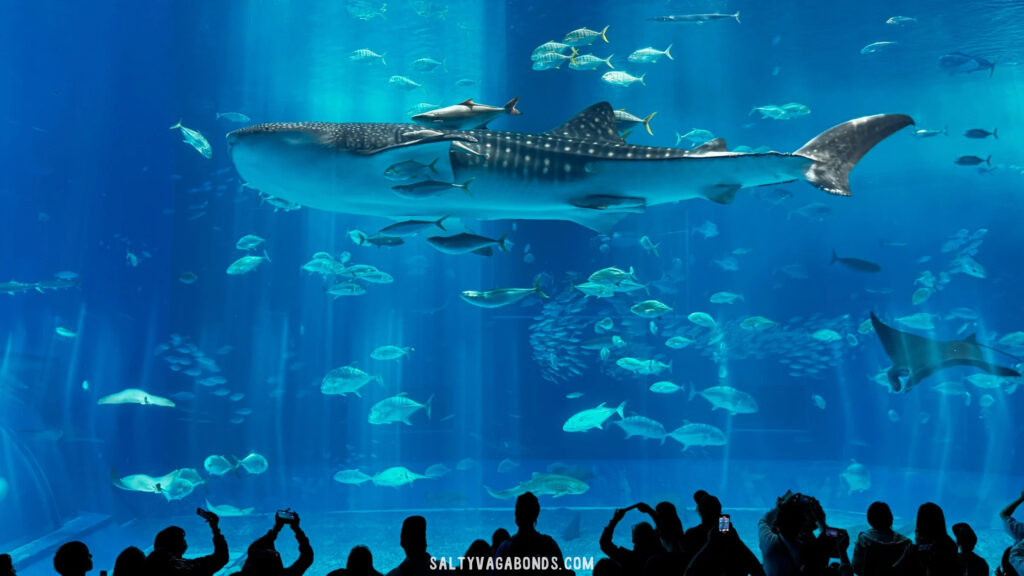
The beaches are (almost always) free, and places like Shuri Castle cost less than $40 total for a family of four. Of course, luxury activities like private fishing or scuba diving will be pricey anywhere, but for the average traveler, Okinawa wins on value.
This island is budget-friendly without cutting corners on experience. It’s perfect for families, slow travelers, and anyone looking to stretch their dollar. Whether you’re popping in for cherry blossom season, visiting during Golden Week, or staying a few months like we did, Okinawa makes it easy to stay longer for less.
Fewer Crowds, More Local Charm
If you’re craving peace, quiet, and fewer people around every corner, a vacation to Okinawa delivers. This island chain feels like a breath of fresh air compared to the packed beaches and busy attractions you’ll find in Hawaii.
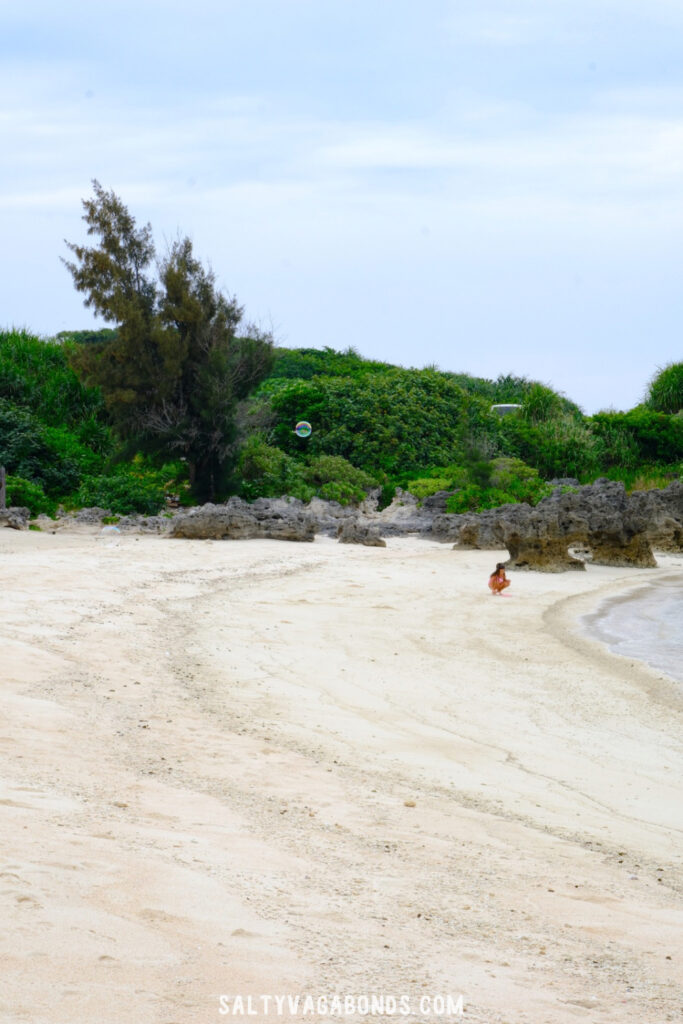

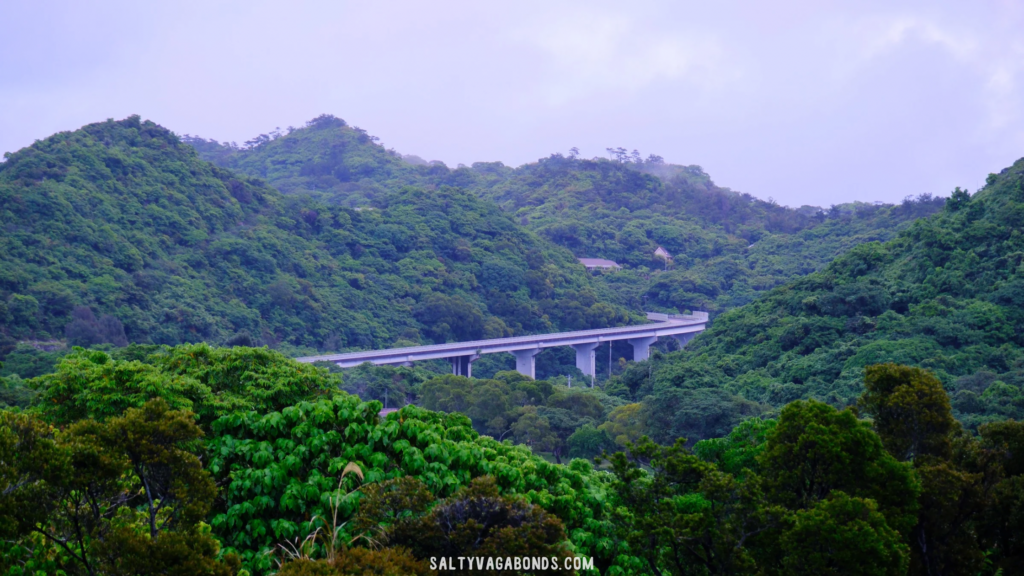
During our stay, we visited several waterfalls, took on jungle hikes, and wandered along cliffside viewpoints. And in many cases, we were the only ones there. Having entire waterfalls to ourselves? That was a dream.
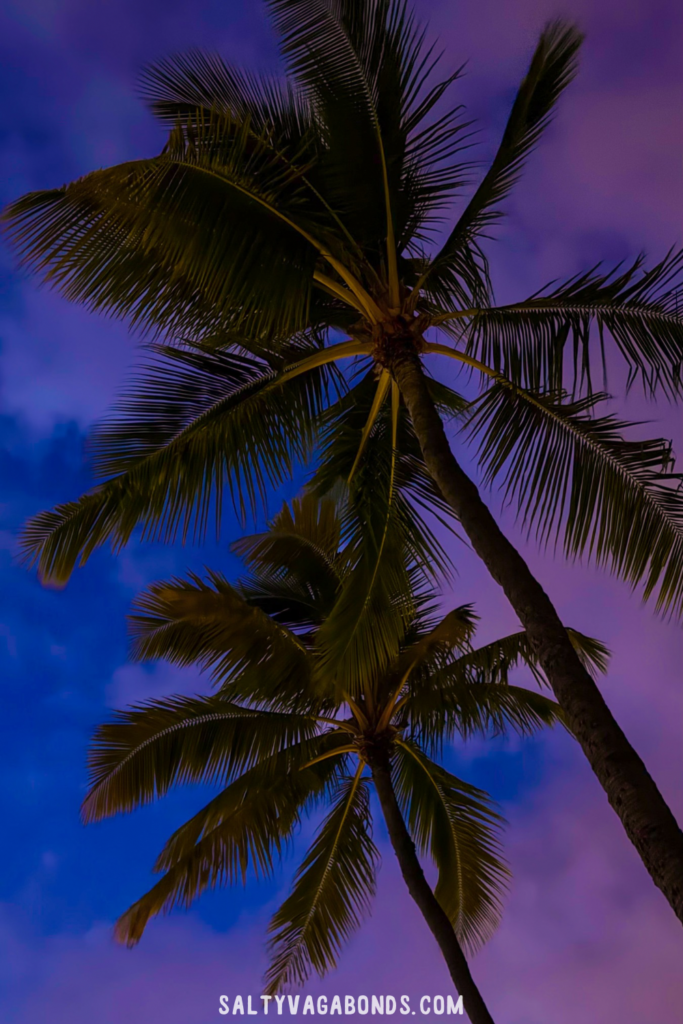
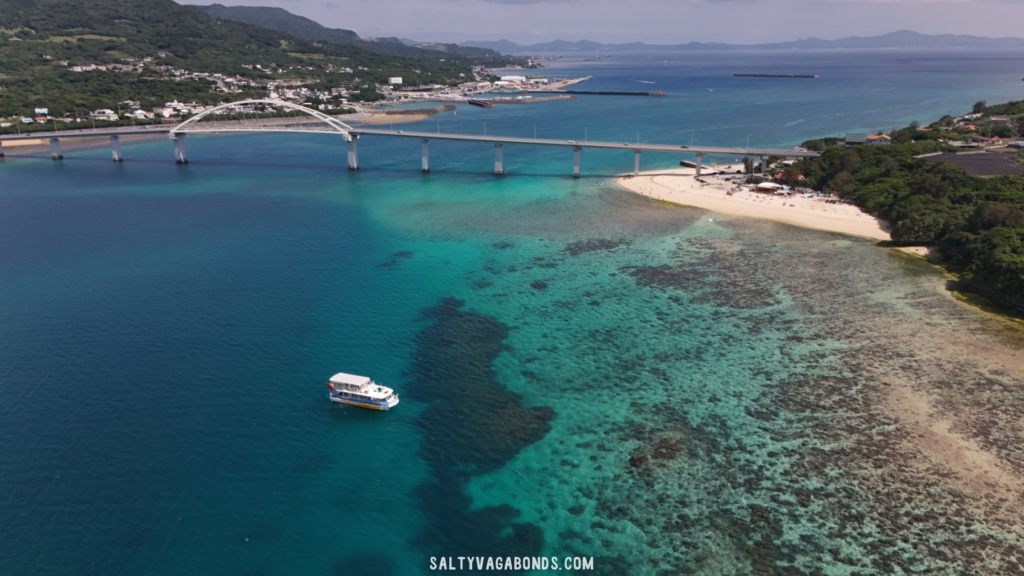
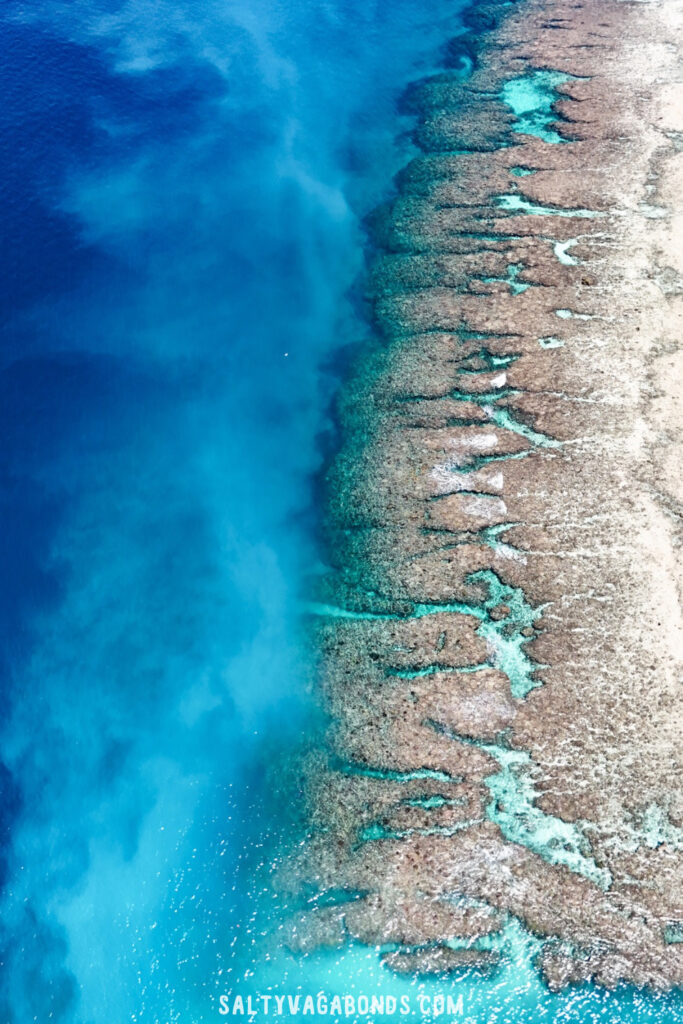
The same goes for the beaches. Not just on the main island of Okinawa, but also on nearby gems like Yoron Island, Minna Island, and Sesoko Island. These spots had clear turquoise water, swaying palms, and healthy coral reefs perfect for snorkeling. And the best part? No elbow-to-elbow crowding. Just your family, the sea breeze, and the sound of gentle waves.
Beyond the stunning nature, the local hospitality stood out. Despite the language barrier, every small gesture, like a wave or a bow, was returned with a smile. People were patient, kind, and genuinely welcoming, especially when they saw we were traveling with kids. It’s the kind of warm, slow travel experience that makes you want to stay longer and immerse deeper.
If you’re tired of tourist traps and craving something quieter, more personal, and still full of adventure, Okinawa is the place to be.
The Food Scene Is Incredible (and Unique)
The food in Okinawa is surprisingly different from what you’ll find in Tokyo. Sure, you’ll still see plenty of rice and seafood, it’s Japan, after all. But the flavors and local specialties here have their own island twist.
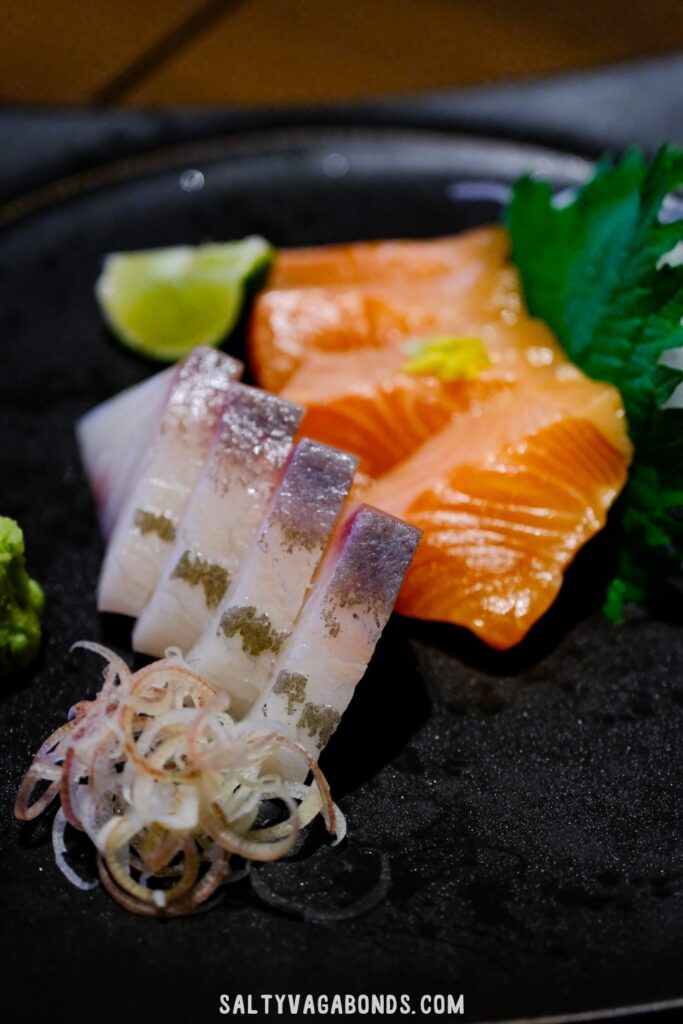
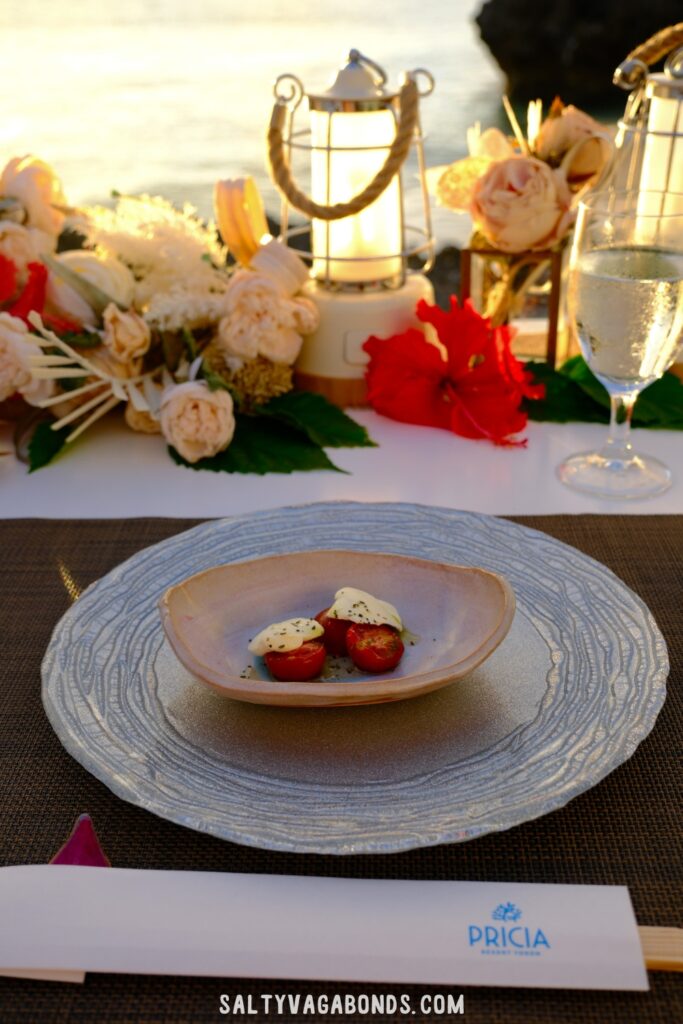
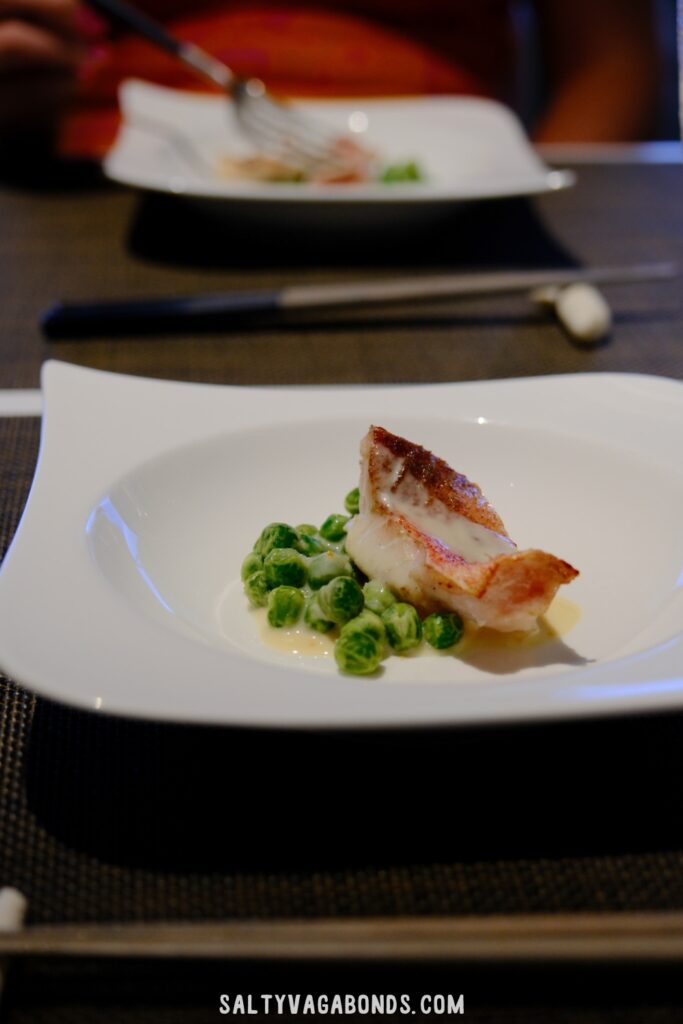
First up: seafood lovers, rejoice. Some of the freshest and most affordable fish in the country is served right here, and it’s often caught the same day. From sushi and sashimi to grilled whole fish and buttery miso-marinated cuts, Okinawa’s seafood game is strong.
But what really surprised us was how popular taco rice and Spam are here. Taco rice is exactly what it sounds like, seasoned taco meat piled over rice, usually topped with shredded lettuce and tomato. Sometimes it even has a slightly sweet flavor, which makes it taste totally different from your typical Tex-Mex version.
And then there’s Spam. I’ve loved it for years (shoutout to my riverboat days!), but Okinawa takes it to another level. At Lawson’s convenience stores, you’ll find Spam cutlets stuffed with cheese, coated in panko, and deep-fried to golden perfection. They look like hashbrowns but are next-level delicious. Spam musubi with egg? Also a must-try.
We can’t talk about Okinawan food without mentioning Agu pork. It’s a premium local breed known for its rich flavor and melt-in-your-mouth texture. If you’re near the Churaumi Aquarium, Island Pig House is hands down the best place we’ve ever eaten pork belly. It’s flame-grilled, tender, juicy, and packed with flavor.
If you’re a foodie (or traveling with picky eaters who love rice and meat), Okinawa’s food scene has plenty of family-friendly, delicious, and affordable options to explore.

Okinawa’s Natural Beauty Feels Untouched
One of the most striking things about Okinawa is how raw and untouched the nature still feels. You’ll see it in the colors, the wildlife, and the way the land hasn’t been overly developed. It’s paradise, but without the crowds or concrete.
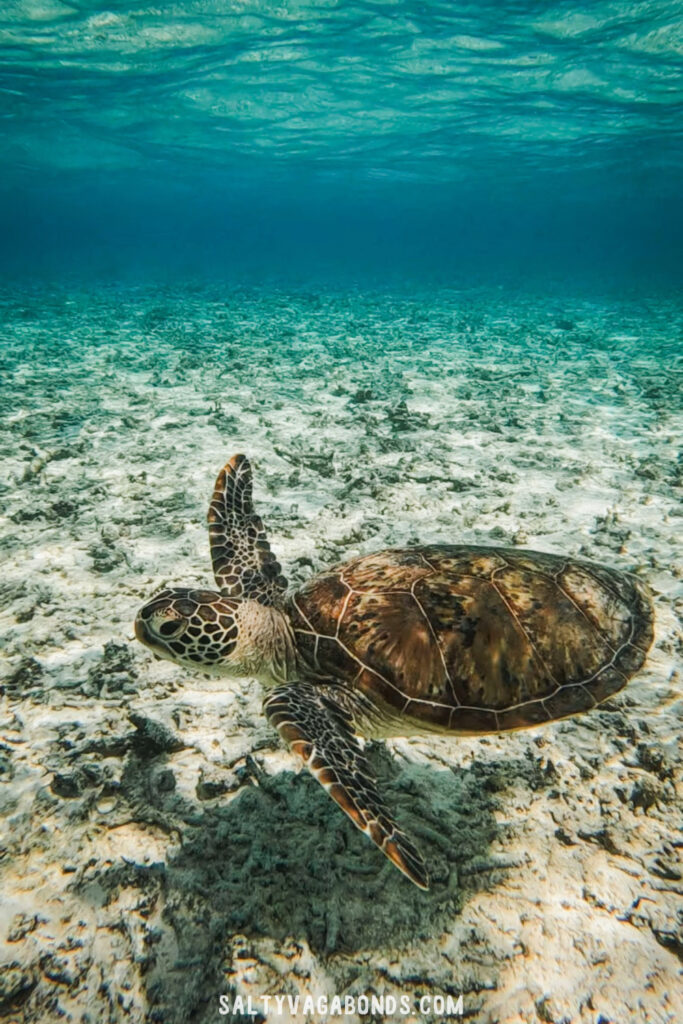
We explored several white-sand beaches on Okinawa, Minna Island, and Yoron, and most of the time, we had them all to ourselves. On Yoron Island, we even came across fresh sea turtle tracks. This was a surreal moment, knowing these gentle giants had just been there hours before.
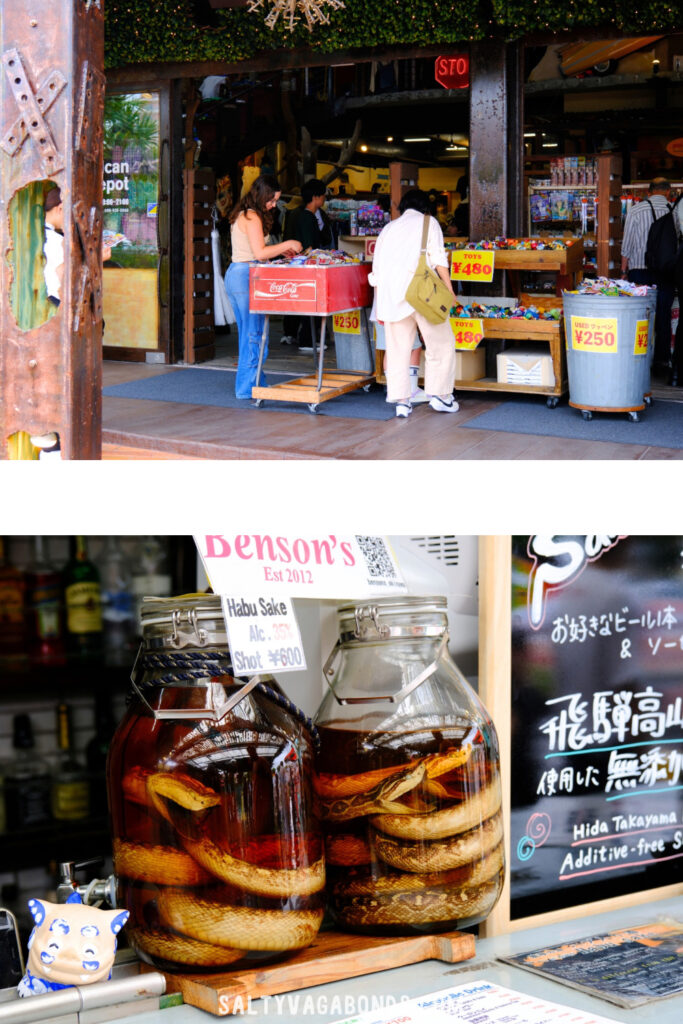
If you love wildlife, Okinawa delivers. We spotted colorful insects we’d never seen before, and while hiking around Motobu Fuji, we learned that the whole area is built on ancient limestone formations. The jungle trails feel wild and alive. You might even see the elusive Okinawan rail, a rare flightless bird native to the area, or cross paths with a Habu snake, so stay aware, but also know it’s part of the adventure.
Compared to Hawaii, which we’ve hiked extensively, Okinawa feels more remote and less commercialized. Hawaii’s jungles are beautiful but often busy, and most of the animals you encounter on land are either birds or species introduced by humans, like the mongoose. In Okinawa, there’s a richer sense of native biodiversity, especially if you’re curious and respectful of the land.
If you’re looking for nature that feels wild, peaceful, and still deeply connected to the island’s rhythms, Okinawa is the place to experience it.
Should You Vacation to Okinawa Instead of Hawaii?
Spending time in Okinawa taught us so much, not just about Japan, but about what truly makes a place feel like home. Once you settle into the slower rhythm of life here, it becomes something really special.
You start to notice the little things: the hibiscus tucked behind someone’s ear, the way neighbors wave as you pass, how the breeze feels softer, and how time just seems to move differently.
It’s no surprise that so many U.S. military families stationed in Okinawa end up staying longer than planned. The island has a way of pulling you in, one slow-paced day at a time.
Okinawa is Japan’s best-kept secret. Yes, it shares some flair with Hawaii, sun, surf, flowers, and a strong family vibe, but it’s also deeply rooted in Ryukyu heritage, traditions, and community. The more you explore, the more you realize it has its own heartbeat.
It’s kind of like that old saying: “same same, but different.” If you already love Hawaii, Okinawa might just expand your heart in ways you didn’t expect. 🌺
Looking for more inspiration?
➡️ Check out our full guide to The Best Things To Do in Okinawa With Your Family
➡️ Don’t miss our post all about the Okinawa Churaumi Aquarium: A Must-See in Japan!









Planning
Tips
Destinations
Oceania
North America
Europe
Asia
Bali
Japan
Korea
Malaysia
singapore
Thailand
Vietnam
France
U.K.
Germany
Canada
Mexico
usa
French Polynesia
Micronesia
Hawaii
Guam
Indonesia
All Travel Blogs
Destinations
Planning
Tips
Destinations
Travel Tips
Planning
About us
Hotels
via Booking.com





Car Rental
Book a Bus/Train/Transfer
Find Cheap Flights
Get ESIM or SIM Card
Easy Currency Exchange
Book Tours & Attractions
Get Travel Insurance
via Discover Cars
via Skyscanner
via 12Go
via Wise
via Viator
via Visitors Coverage
via SimOptions
Destinations
Planning
Tips
All Categories
Travel Tips
Worldschooling
Digital Nomad
Travel Hacking
Travel with kids
Lifestyle
Military Travel
Packing
All Travel Tips
Tech
